
Introduction
Rice is one of the most widely consumed foods in the world. It is a staple in many diets and is used to make a variety of dishes. But what are the nutritional benefits of eating rice? Does it have any nutritional value at all? In this article, we will explore the nutritional content of different types of rice and how eating rice can help improve your overall health.
Review of Rice Nutritional Value
Rice is a good source of calories and carbohydrates. One cup of cooked white rice contains about 200 calories and 45 grams of carbohydrates. It also contains small amounts of protein and fat. Rice is an excellent source of several vitamins and minerals, including thiamin, niacin, folate, magnesium, phosphorus, and iron.
Exploring the Health Benefits of Eating Rice
Eating rice can provide several health benefits. It can help improve digestion by providing fiber and other nutrients that aid in digestion. It may also help reduce cholesterol levels, which can lead to improved cardiovascular health. Furthermore, some studies have shown that eating white rice may reduce the risk of certain types of cancer.
Comparing Different Types of Rice in Terms of Nutritional Value
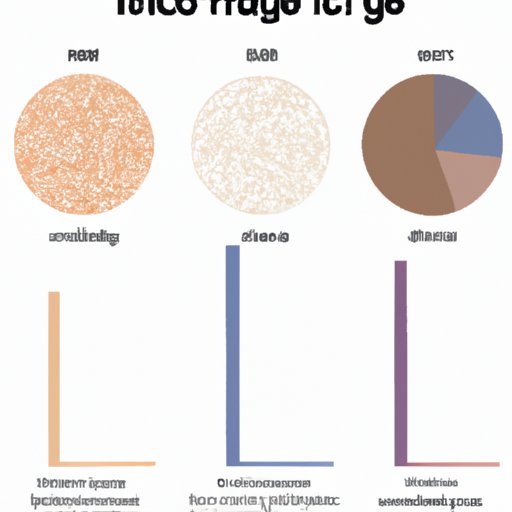
There are three main types of rice: white, brown, and wild. White rice is the most commonly consumed type of rice. It is highly processed and has had its bran and germ removed, which reduces its nutritional content. Brown rice is less processed and contains more fiber, vitamins, and minerals than white rice. Wild rice is a type of grass seed and is higher in protein and fiber than both white and brown rice.
Examining the Nutritional Content of White, Brown and Wild Rice
White rice is high in carbohydrates and low in protein and fat. One cup of cooked white rice contains approximately 45 grams of carbohydrates, 4 grams of protein, and 1 gram of fat. Brown rice is slightly higher in protein and fat than white rice, with one cup containing 5 grams of protein and 2 grams of fat. Wild rice is higher in both protein and fat, with one cup containing 6 grams of protein and 3 grams of fat.

Explaining How Rice Fits into a Healthy Diet
Eating rice as part of a healthy diet requires moderation, variety, and balance. Eating too much rice can lead to weight gain, so it’s important to eat it in moderation. Additionally, it’s important to incorporate other whole grains and legumes into your diet to ensure you’re getting a variety of nutrients. Finally, it’s important to maintain a balanced diet by eating plenty of fruits, vegetables, and lean proteins in addition to rice.
Analyzing the Macronutrients Found in Rice
Rice is primarily composed of carbohydrates, with one cup of cooked white rice containing about 45 grams of carbohydrates. It also contains small amounts of protein and fat. The amount of protein and fat varies depending on the type of rice, with wild rice being the highest in both protein and fat. Additionally, white and brown rice contain small amounts of essential fatty acids, such as omega-3 and omega-6.
Conclusion
Rice is a staple food in many diets, but does it have any nutritional value? The answer is yes. Rice is a good source of calories and carbohydrates and provides small amounts of protein and fat. Additionally, it is an excellent source of several vitamins and minerals. Eating rice can provide several health benefits, including improved digestion, improved cardiovascular health, and reduced risk of cancer. However, it is important to eat rice in moderation and incorporate other whole grains and legumes into your diet to ensure you’re getting a variety of nutrients. Overall, rice is an important part of a healthy, balanced diet.
(Note: Is this article not meeting your expectations? Do you have knowledge or insights to share? Unlock new opportunities and expand your reach by joining our authors team. Click Registration to join us and share your expertise with our readers.)