
Introduction
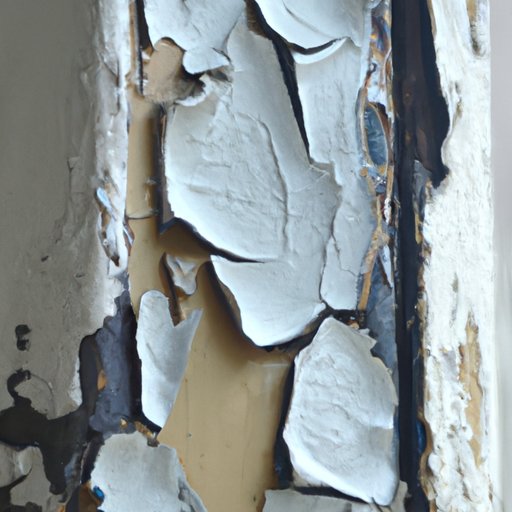
If you’ve noticed that your paint is peeling, you may have wondered if there’s a risk of lead contamination. Lead-based paint, which was commonly used prior to 1978, has been linked to various health problems, including learning disabilities and delayed growth in children. It’s important to understand the risks associated with this type of paint and take the necessary steps to protect yourself and your family from any potential harm.
Definition of Lead-Based Paint
Lead-based paint is defined as any paint that contains more than 0.06 percent lead by weight. This type of paint was commonly used prior to 1978 and can still be found in many homes today. It is most often found on surfaces such as doors, windows, and railings. Exposure to lead-based paint can cause serious health problems, particularly in young children.
Identifying Lead-Based Paint in Your Home
If your home was built before 1978, it’s likely that it contains lead-based paint. There are a few signs that can indicate the presence of this type of paint, such as:
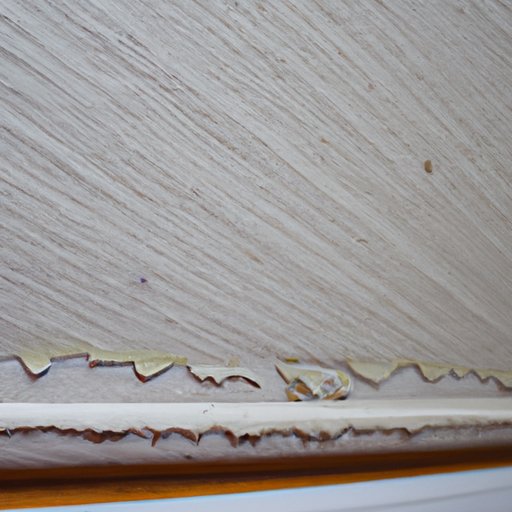
- Cracking, chipping, or peeling paint
- A painted surface that is scratched or rubbed
- Dust that looks like dirt but easily wipes off
If you suspect that your home contains lead-based paint, it’s important to get it tested. The only way to know for sure is to have a sample tested by a certified laboratory. Once you have the results, you can determine whether or not you need to take additional steps to protect yourself and your family.
How to Safely Remove Lead-Based Paint
If your home does contain lead-based paint, it’s important to take the necessary steps to safely remove it. The Environmental Protection Agency (EPA) recommends following these steps:
- Cover up any exposed surfaces with plastic sheeting and tape.
- Wet-scrape, wet-sand, or use a heat gun to remove the paint.
- Vacuum the area with a HEPA vacuum cleaner.
- Dispose of all debris in a sealed plastic bag.
- Clean the area with a damp cloth or mop.
It’s also important to follow local regulations when removing lead-based paint. If you’re unsure of what regulations apply to your area, contact your local health department or environmental agency.
The Dangers of Inhaling Lead from Peeling Paint
Exposure to lead-based paint can cause a variety of health problems, especially in young children. According to the Centers for Disease Control and Prevention (CDC), even low levels of lead can result in:
- Learning and behavior problems
- Lower IQ scores
- Slowed growth
- Hearing problems
- Headaches
- Abdominal pain
- Developmental delays
It’s also important to note that the health effects of lead exposure can be long-term and irreversible. In some cases, lead poisoning can even be fatal.
Ways to Protect Yourself from Lead Poisoning
If your home contains lead-based paint, it’s important to take the necessary steps to protect yourself and your family from lead poisoning. The EPA recommends taking the following precautions:
- Regularly clean floors, windowsills, and other surfaces.
- Wash children’s hands and toys frequently.
- Make sure children do not put their fingers or other objects in their mouths after touching surfaces that may contain lead.
- Seal any cracks or crevices in walls, floors, and ceilings.
- Keep furniture away from areas with peeling paint.
- Use only cold water from the tap for drinking, cooking, and preparing baby formula.
Tips for Preventing Lead Poisoning from Peeling Paint
In addition to taking the necessary steps to protect yourself and your family from lead poisoning, there are a few things you can do to prevent it altogether. The EPA recommends the following strategies:
- Regularly inspect your home for signs of lead-based paint.
- Test any painted surfaces for lead.
- Hire a certified contractor to safely remove any lead-based paint.
It’s also important to avoid common mistakes when dealing with lead-based paint. The EPA advises against using abrasive cleaning products, power sanders, or open flames. These methods can release lead particles into the air, increasing the risk of lead poisoning.
Conclusion
Peeling paint can be an indication of lead-based paint, which can cause serious health problems, particularly in young children. It’s important to identify any lead-based paint in your home and take the necessary steps to protect yourself and your family. Be sure to test, cover up, and safely remove any lead-based paint, and take the recommended precautions to prevent lead poisoning. With the right knowledge and precautions, you can keep yourself and your family safe from the dangers of lead poisoning.
(Note: Is this article not meeting your expectations? Do you have knowledge or insights to share? Unlock new opportunities and expand your reach by joining our authors team. Click Registration to join us and share your expertise with our readers.)