
Introduction
Hypertension, or high blood pressure, is a condition in which the force of the blood pushing against the walls of the arteries is consistently too high. If left untreated, it can lead to serious health problems, including stroke, heart attack, and kidney disease. Knowing how to effectively manage hypertension is essential to maintaining good health. One strategy that has been shown to be effective in controlling blood pressure is regular physical activity.
Examining the Evidence: Does Exercise Lower Blood Pressure?
The evidence supporting the role of exercise in lowering blood pressure is strong. According to the American Heart Association, “Regular physical activity makes your heart stronger. A stronger heart can pump more blood with less effort. If your heart can work less to pump, the force on your arteries decreases, lowering your blood pressure.” Studies have also shown that regular exercise can reduce systolic (upper number) and diastolic (lower number) blood pressure readings by 4-9 mmHg.
In addition to reducing blood pressure, studies have also shown that regular physical activity can reduce the risk of developing hypertension. A study published in the British Journal of Sports Medicine examined the effects of exercise on over 18,000 participants and found that those who exercised regularly were significantly less likely to develop hypertension than those who were inactive.
The Benefits of Exercise for Hypertension: How to Effectively Lower Blood Pressure
Understanding the role of exercise in controlling hypertension is key to developing an effective plan for lowering blood pressure. Exercise helps to strengthen the heart, allowing it to pump more efficiently and with less effort. This reduces the force on the arteries, leading to lower blood pressure readings. In addition, regular physical activity can help improve circulation and reduce stress levels, both of which can help to lower blood pressure.
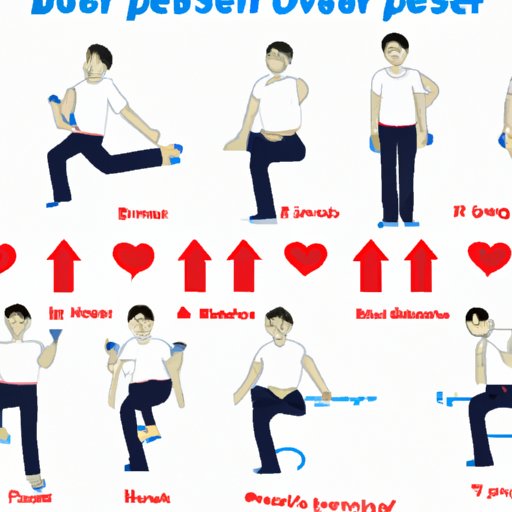
When it comes to choosing exercises that can help to lower blood pressure, there are several options. Aerobic exercises, such as walking, jogging, swimming, and biking, are particularly effective at improving cardiovascular health, which can lead to lower blood pressure readings. Strength training exercises, such as weight lifting and resistance bands, can also help to build muscle, which can help to reduce blood pressure. Flexibility exercises, such as yoga and stretching, can help to reduce stress levels, while balance and relaxation exercises, such as tai chi and meditation, can help to promote overall wellbeing.
What You Need to Know About Exercise and High Blood Pressure
It is important to remember that there are both benefits and risks associated with exercise and hypertension. While regular physical activity can help to lower blood pressure, it can also increase the risk of injury if done improperly. People with high blood pressure should talk to their doctor before beginning an exercise program to make sure that they are healthy enough to participate in physical activity.
In addition, it is important to remember that exercise alone may not be enough to lower blood pressure. The American Heart Association recommends making lifestyle changes, such as eating a healthy diet and quitting smoking, in order to achieve optimal results.
5 Exercises That Can Help Lower Blood Pressure
Aerobic exercises: Walking, jogging, swimming, and biking are all great aerobic exercises that can help to strengthen the heart and improve circulation, leading to lower blood pressure readings.
Strength training exercises: Weight lifting and resistance bands can help to build muscle, which can reduce blood pressure.
Flexibility exercises: Yoga and stretching can help to reduce stress levels, which can help to lower blood pressure.
Balance exercises: Tai chi and other balance exercises can help to improve balance and coordination, while also promoting relaxation.
Relaxation exercises: Meditation and deep breathing can help to reduce stress levels, which can help to lower blood pressure.
How to Reduce Blood Pressure with Regular Exercise
Incorporating exercise into your daily routine can be a challenge, but it doesn’t have to be. Try to set aside at least 30 minutes a day for physical activity. Taking a walk after dinner or doing some stretching before bed can help to make exercise part of your daily routine. It is also important to monitor your blood pressure levels during exercise, so talk to your doctor about how to do this safely.
Understanding the Role of Exercise in Maintaining Normal Blood Pressure Levels
Regular exercise can have long-term benefits for people with high blood pressure. Studies have shown that even small amounts of physical activity can help to reduce and maintain normal blood pressure levels. Developing a healthy lifestyle that includes regular exercise, a balanced diet, and stress management can help to effectively lower blood pressure and reduce the risk of developing hypertension.

The Benefits of Exercise for High Blood Pressure Sufferers
In addition to its physical benefits, exercise can also have emotional benefits for people with high blood pressure. Regular physical activity can help to boost mood, reduce stress, and improve self-esteem. Setting realistic goals and finding activities that you enjoy can help to stay motivated to exercise.
Conclusion
In conclusion, regular physical activity has been shown to be an effective way to lower blood pressure and reduce the risk of developing hypertension. Understanding the role of exercise in controlling hypertension is key to developing an effective plan for lowering blood pressure. Aerobic, strength training, flexibility, balance, and relaxation exercises can all help to reduce blood pressure. Incorporating exercise into your daily routine and monitoring your blood pressure levels during exercise can help to achieve optimal results. Finally, exercising regularly can provide both physical and emotional benefits for people with high blood pressure, helping them to maintain a healthy lifestyle.
(Note: Is this article not meeting your expectations? Do you have knowledge or insights to share? Unlock new opportunities and expand your reach by joining our authors team. Click Registration to join us and share your expertise with our readers.)