
Introduction
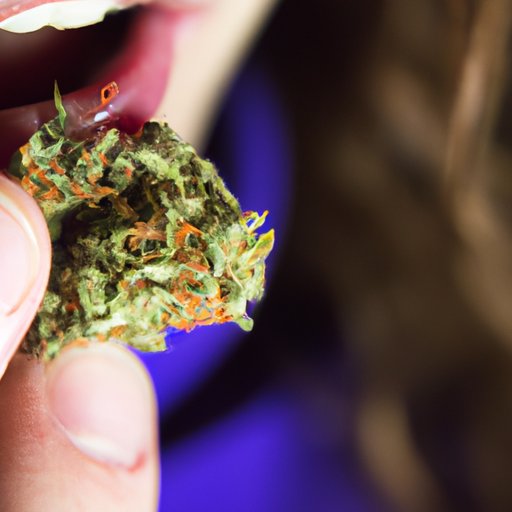
For those new to cannabis, questions about the effects of eating weed can be confusing. Does eating weed make you high? Is it different from smoking? What are the benefits and risks associated with consuming edibles? This article aims to answer these questions and provide an in-depth exploration into the science, culture, and potential risks of eating weed.

Comparing the Effects of Smoking and Eating Weed
When considering the differences between smoking and eating weed, there are a few key points to keep in mind. Smoking weed involves inhaling the smoke from burning cannabis flower, while eating weed means consuming THC-infused food or drink products. Different methods of consumption lead to different effects on the body and mind, as well as varying levels of intensity when it comes to the “high.”
The main benefit of smoking weed is that the effects take place almost immediately, making it easier to regulate the dose. However, smoking can have negative impacts on the lungs, and the effects tend to wear off quickly. On the other hand, the effects of edibles can take up to two hours to kick in, but they usually last much longer than smoking and can be more intense. The downside of edibles is that it can be difficult to gauge the correct dosage, meaning it’s easy to consume too much.
Exploring the Science Behind Eating Weed and its Impact on Highness
When someone eats weed, the THC enters the bloodstream through the digestive system rather than the lungs. This process takes longer than smoking, as the THC must pass through the liver before it reaches the brain. Once the THC reaches the brain, it binds to cannabinoid receptors and triggers the same psychoactive effects as smoking weed.
The amount of time it takes for edibles to take effect can vary depending on a number of factors. These include the type of edible, the user’s metabolism, and the potency of the product. Generally speaking, edibles can take anywhere from 30 minutes to two hours to take effect. It’s important to note that edibles can produce a much stronger high than smoking, so it’s important to start with a low dose and wait at least two hours before consuming more.
Another factor that affects the intensity of a high from edibles is tolerance. Those who are more tolerant to THC will not experience as strong of a high from edibles as those who are new to cannabis. Additionally, certain strains of weed may be more potent than others, so it’s important to research the strain before consuming edibles.
Interviewing Experts on the Pros and Cons of Eating Weed
In order to gain more insight into the pros and cons of eating weed, we spoke to several experts in the field. According to our interviewees, one of the main reasons why people choose to eat weed is because it provides a more intense and long-lasting high than smoking. Additionally, edibles can be more discreet and don’t carry the same risks to the lungs as smoking weed.
However, our experts also cautioned against the potential risks of eating weed. Edibles can take longer to take effect, which can lead to people consuming too much and experiencing an unpleasant high. Additionally, edibles can be more potent than smoking, so it’s important to start with a low dose and wait at least two hours before consuming more.
Examining Different Strains of Weed and Their Effects When Eaten
When it comes to eating weed, it’s important to understand the differences between indica and sativa strains. Indica strains are known for their sedative effects, while sativa strains are more energizing and uplifting. Additionally, different strains of weed have varying levels of THC, so it’s important to research the strain before consuming edibles.
There are many different types of edibles available on the market today. Popular edible products include gummies, chocolates, brownies, cookies, and drinks. It’s important to check the label to ensure you know the potency of the product before consuming.
Investigating the Cultural Significance of Eating Weed
Eating weed has a long history in cultures around the world. For centuries, people have been consuming cannabis-infused foods and drinks for medicinal and recreational purposes. In recent years, edibles have become increasingly popular due to their convenience and discreet nature, as well as their ability to provide a more intense and long-lasting high than smoking.
Today, edibles are widely available in both legal and illegal markets. Popular edible products include gummies, chocolates, brownies, cookies, and drinks. As edibles become more mainstream, it’s important to understand the potential risks associated with consuming them, as well as the right way to use them.
Conclusion
Eating weed can provide a more intense and long-lasting high than smoking, but it’s important to understand the potential risks associated with consuming edibles. Different strains of weed have varying levels of THC, so it’s important to research the strain before consuming edibles. Additionally, edibles can take longer to take effect, so it’s important to start with a low dose and wait at least two hours before consuming more.
Overall, eating weed can be a great way to experience the effects of cannabis, but it’s important to do so responsibly. By understanding the science behind edibles, the potential risks associated with consuming them, and the right way to use them, you can enjoy the benefits of eating weed without putting yourself at risk.
(Note: Is this article not meeting your expectations? Do you have knowledge or insights to share? Unlock new opportunities and expand your reach by joining our authors team. Click Registration to join us and share your expertise with our readers.)