
Introduction
Weight loss is an important goal for many people looking to improve their health and wellbeing. Eating healthy is one of the most important steps in achieving this goal, but it can be difficult to know how to make the right choices when it comes to diet and nutrition. This article will explore the effects of eating healthy on weight loss, review popular diets, and compare the results of eating healthy versus unhealthy foods. Finally, we’ll look at the relationship between eating healthy and long-term weight loss.

Analyzing the Effects of Eating Healthy on Weight Loss
The foundation of a healthy diet is made up of five essential nutrients: carbohydrates, proteins, fats, vitamins and minerals. All of these components are necessary for the body to function properly, and each has its own role in helping to maintain a healthy weight. Eating a balanced diet that contains all of these nutrients can help provide the body with the energy it needs to fuel physical activity and support overall health.
In addition to providing essential nutrients, eating healthy also offers several other benefits for weight loss. Eating nutrient-rich, unprocessed foods can help to reduce calorie intake, which is important for losing weight. Eating healthy can also help to regulate appetite, boost energy levels, and improve digestion, all of which can contribute to successful weight loss.
A Review of Popular Diets: Does Eating Healthy Actually Help You Lose Weight?
There are many popular diets that focus on eating healthy as a means of achieving weight loss. The Atkins Diet, for example, focuses on reducing carbohydrate intake and replacing them with healthy sources of fat and protein. The Paleo Diet emphasizes eating whole, unprocessed foods and avoiding grains, dairy, and processed foods. The Mediterranean Diet encourages eating a variety of fruits, vegetables, nuts, legumes, and whole grains, while limiting meat and dairy consumption. Finally, the DASH Diet emphasizes eating fresh fruits and vegetables, lean proteins, and low-fat dairy products.
Each of these diets has been shown to be effective for weight loss, but the key is to find one that works best for you. Eating healthy should be sustainable and enjoyable in order to be successful, so it’s important to choose a diet that fits your lifestyle and food preferences.
Exploring the Benefits of Eating Healthy for Weight Loss
Eating healthy not only helps with weight loss, but it also offers numerous other health benefits. Eating a nutritious diet can lower the risk of chronic diseases such as heart disease, diabetes, and cancer. It can also help to boost energy levels, improve digestion, and enhance overall health.
Eating healthy can also help to reduce stress and improve mental health. Eating nutrient-dense foods can help to boost serotonin levels, which can have a positive effect on mood. Additionally, eating healthy can help to reduce inflammation, which can lead to improved energy levels and better overall health.
Comparing the Weight Loss Results of Eating Healthy vs Unhealthy Foods
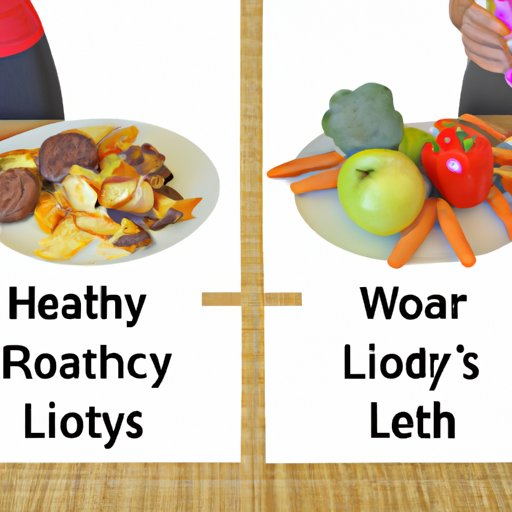
When it comes to weight loss, it’s important to consider both the quantity and quality of the foods you’re consuming. Calorie-dense processed foods may be easy to eat and convenient, but they’re often high in sugar, fat, and sodium, and they can cause blood sugar spikes that can lead to cravings and overeating. On the other hand, nutrient-rich whole foods are packed with fiber, vitamins, and minerals, and they can help to keep you full for longer periods of time.
Eating healthy can also have a positive effect on your metabolism. Eating a balanced diet of whole foods can help to boost your metabolic rate, which can lead to increased calorie burning and faster weight loss. Additionally, eating healthy can help to regulate hormones, which can also have a positive effect on metabolism.
Examining the Relationship Between Eating Healthy and Long-term Weight Loss
In order to achieve long-term weight loss, it’s important to adopt a healthy lifestyle. This means replacing unhealthy habits with healthier ones, such as eating a balanced diet of nutrient-rich whole foods, exercising regularly, and getting enough sleep. Additionally, developing better self-control and making conscious decisions about food can help you to stick to your weight loss goals.
It’s also important to remember that weight loss isn’t just about eating healthy. It’s about finding a lifestyle that works for you and that you can sustain over time. Eating healthy is an important part of this process, but it’s only one piece of the puzzle.
Conclusion
Eating healthy can have a positive effect on your weight loss goals. Eating a balanced diet of nutritious whole foods can help to provide the body with the energy it needs to fuel physical activity, boost metabolism, and regulate hormones. Additionally, eating healthy can offer numerous other health benefits, such as reducing the risk of chronic disease and improving overall health. While there are many popular diets that focus on eating healthy, it’s important to find one that fits your lifestyle and food preferences in order to achieve long-term success. By making conscious decisions about food and adopting a healthy lifestyle, you can take control of your health and reach your weight loss goals.
(Note: Is this article not meeting your expectations? Do you have knowledge or insights to share? Unlock new opportunities and expand your reach by joining our authors team. Click Registration to join us and share your expertise with our readers.)