
Introduction
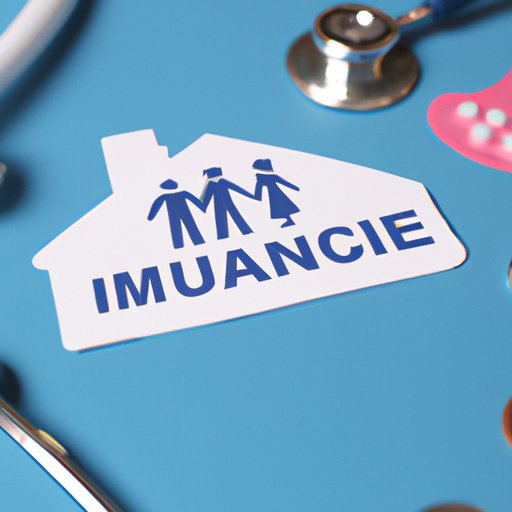
Medical insurance is a type of insurance that covers the cost of medical care. It is an important part of managing your health and finances. Having medical insurance can provide peace of mind in knowing that you are covered for unexpected medical expenses. However, there are both advantages and disadvantages to having medical insurance, and it is important to understand these before making a decision about whether or not to purchase a policy. In this article, we will explore the pros and cons of having medical insurance, the impact of not having medical insurance, the cost of medical care without insurance, how to find affordable medical insurance, understanding the benefits of medical insurance, and exploring alternatives to traditional medical insurance.
Pros and Cons of Having Medical Insurance
Having medical insurance can be beneficial in many ways, but there are also some drawbacks to consider. It is important to weigh the pros and cons of having medical insurance before deciding if it is right for you.
Advantages of Having Medical Insurance
One of the biggest advantages of having medical insurance is that it can help protect you from high medical bills. According to a recent survey conducted by the Kaiser Family Foundation, the average cost of a hospital stay in the United States is $15,734. With medical insurance, you can rest assured that you will be covered for most, if not all, of these costs.
Another benefit of having medical insurance is that it can provide access to preventive care. Preventive care can help catch health issues early, which can help reduce the severity of the condition and save money in the long run. Most medical insurance plans cover preventive care services such as routine check-ups, immunizations, and screenings at no additional cost.
Finally, having medical insurance can provide peace of mind in knowing that you are covered in the event of an emergency. Medical insurance plans typically cover a wide range of emergency services, including ambulance rides, ER visits, and hospital stays.
Disadvantages of Having Medical Insurance
One of the downsides of having medical insurance is that it can be expensive. Depending on the plan you choose, you may end up paying more in premiums than you would in out-of-pocket costs. Additionally, many plans require you to pay co-pays or deductibles before they will cover any of your medical expenses.
Another disadvantage of having medical insurance is that it may not cover everything. Many plans have limits on what they will cover and may not include certain treatments or medications. Additionally, some plans may require prior authorization before they will cover certain services.
The Impact of Not Having Medical Insurance
Not having medical insurance can have both financial and health implications. It is important to understand these implications before deciding whether or not to purchase a policy.
Financial Implications of Not Having Medical Insurance
One of the biggest financial implications of not having medical insurance is that you may be responsible for the full cost of any medical care you receive. Without insurance, you could end up owing thousands of dollars for a single visit or procedure. This can quickly add up and create a financial burden that is difficult to manage.
Health Risks of Not Having Medical Insurance
In addition to financial risks, not having medical insurance can also put your health at risk. Without insurance, you may be less likely to seek medical attention when needed, which can lead to more serious health problems down the line. Additionally, without insurance, you may not have access to preventive care, which can help catch health issues early and reduce the severity of the condition.

The Cost of Medical Care Without Insurance
If you do not have medical insurance, you may still be able to receive medical care, but it will likely come at a higher cost. It is important to understand the types of care available and the average cost of each before making a decision about whether or not to purchase a policy.
Types of Medical Care Without Insurance
If you do not have medical insurance, there are still options available for receiving medical care. You may be able to find a doctor who offers a sliding scale fee based on income or a payment plan. Additionally, there are free clinics available in many areas that offer basic medical care at no cost.
Average Cost of Medical Care Without Insurance
The cost of medical care without insurance can vary greatly depending on the type of care needed. According to a recent study conducted by the National Institutes of Health, the average cost of a doctor’s office visit is $130, while the average cost of a hospital stay is $15,734. Additionally, the average cost of prescription drugs is $9.95 per month.

How to Find Affordable Medical Insurance
Finding affordable medical insurance can be a challenge, but there are steps you can take to make it easier. Here are some tips for finding affordable medical insurance.
Comparing Different Health Insurance Plans
When looking for medical insurance, it is important to compare different plans to find one that meets your needs and budget. Make sure to look at the monthly premium, deductible, co-pay, and coverage limits for each plan to determine which one is the best fit for you.
Understanding Your Eligibility for Insurance
It is also important to understand your eligibility for insurance. If you are eligible for government programs such as Medicaid or Medicare, you may be able to get coverage at a lower cost. Additionally, if you are employed, you may be able to get coverage through your employer.
Utilizing Government Programs
If you are not eligible for employer-sponsored insurance or government programs, there are still options available. The Affordable Care Act requires insurers to offer plans to all individuals regardless of health status. Additionally, there are state and federal programs available that can help you get coverage at a lower cost.
Understanding the Benefits of Medical Insurance
Besides helping to cover the cost of medical care, medical insurance can also provide other benefits. Understanding these benefits can help you make an informed decision about whether or not to purchase a policy.
Coverage for Preventative Care
Most medical insurance plans provide coverage for preventive care services such as routine check-ups, immunizations, and screenings at no additional cost. These services can help catch health issues early and reduce the severity of any condition that is identified. In addition, preventive care can also help save money in the long run.
Coverage for Emergency Care
Medical insurance can also provide coverage for emergency care services such as ambulance rides, ER visits, and hospital stays. Having coverage in place can provide peace of mind in knowing that you will be covered in the event of an emergency.
Coverage for Long-Term Care
Finally, medical insurance can provide coverage for long-term care services such as home health care and nursing home care. These services can be extremely expensive, so having coverage in place can help reduce the financial burden.

Exploring Alternatives to Traditional Medical Insurance
If you are unable to find an affordable traditional medical insurance plan, there are alternatives available. Here are some of the most common alternatives to traditional medical insurance.
Short-Term Health Insurance
Short-term health insurance is a type of insurance that provides coverage for a limited period of time, usually between three and twelve months. Short-term health insurance plans are typically less expensive than traditional plans, but they also tend to have fewer benefits and higher out-of-pocket costs.
Discount Medical Plans
Discount medical plans are not insurance plans, but rather membership programs that provide discounts on medical services. Discount medical plans typically have lower monthly fees than traditional plans and can provide savings of up to 50% on medical services. However, discount medical plans do not cover preventive care or emergency services.
High Deductible Health Plans
High deductible health plans (HDHPs) are a type of insurance plan that has a high deductible, but lower monthly premiums. HDHPs are designed to help cover the cost of major medical expenses and can be a good option for those who don’t need a lot of coverage. However, it is important to note that HDHPs do not cover preventive care or emergency services.
Conclusion
In conclusion, having medical insurance can be beneficial in many ways, but there are also some drawbacks to consider. It is important to weigh the pros and cons of having medical insurance before deciding if it is right for you. Additionally, not having medical insurance can have both financial and health implications, and it is important to understand these before deciding whether or not to purchase a policy. Finally, if you are unable to find an affordable traditional medical insurance plan, there are alternatives available such as short-term health insurance, discount medical plans, and high deductible health plans.
(Note: Is this article not meeting your expectations? Do you have knowledge or insights to share? Unlock new opportunities and expand your reach by joining our authors team. Click Registration to join us and share your expertise with our readers.)