
Introduction
Purchasing a fixer upper property can be an exciting and rewarding experience. Not only can you customize the home to fit your specific needs and style, but you can also save money by getting a great deal on the purchase price. However, before you jump into the real estate market, it’s important to understand the costs associated with financing a fixer upper house.
Definition of a Fixer Upper Property
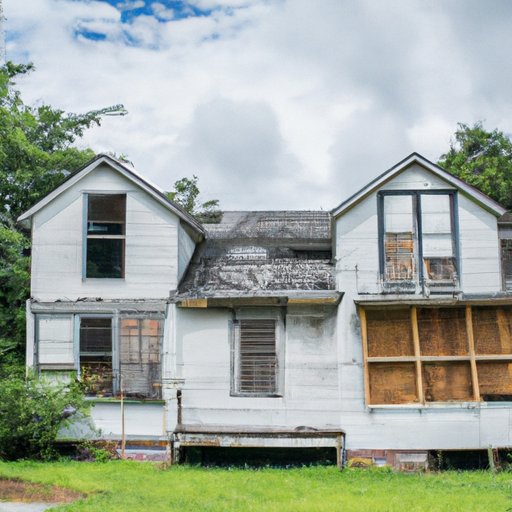
A fixer upper property is a home that needs extensive repairs and renovations in order to become livable. These homes are often sold at a discounted rate because they require a lot of work to make them habitable. The degree of repair required can range from minor cosmetic fixes to major structural problems, such as a leaky roof or a crumbling foundation.
Overview of the Benefits of Purchasing a Fixer Upper Property
There are several advantages to purchasing a fixer upper property. Perhaps the biggest benefit is the potential for significant savings. Since these properties are typically sold at a discounted rate, buyers can purchase a home at a much lower cost than what they would pay for a similar property in a better condition. Additionally, most fixer upper properties are located in desirable areas, making them attractive investments for those looking to get into the real estate market.
Identifying Potential Fixer Upper Properties: Pros and Cons
The first step in the process of financing a fixer upper property is to identify potential properties. Before you start shopping around, it’s important to analyze the costs of repairs and renovations, assess the market value of the property, and understand the total cost of homeownership. This will help you determine if the fixer upper property is a good investment.
Analyzing the Costs of Repairs and Renovations
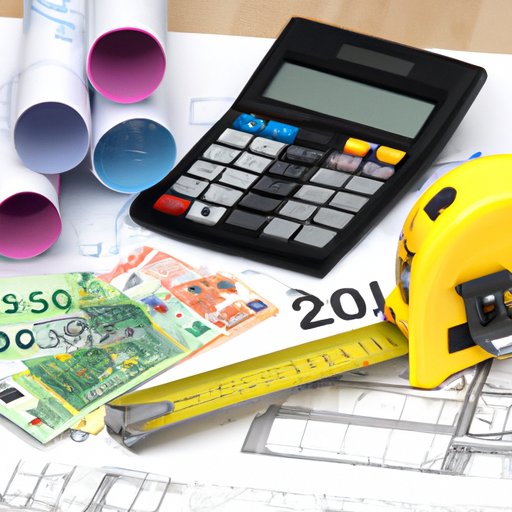
Before you make an offer on a fixer upper property, it’s important to consider the cost of repairs and renovations. In some cases, the cost of repairs and renovations may be more than the actual purchase price of the property. Therefore, it’s important to hire a qualified home inspector to assess the condition of the property and provide an estimate of the cost of repairs and renovations.
Assessing the Market Value of the Property
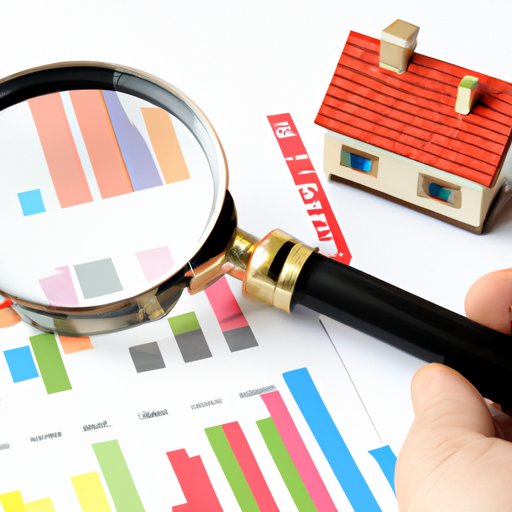
Once you have a better idea of the cost of repairs and renovations, you can begin to assess the market value of the property. It’s important to remember that the market value of the property may not reflect the amount you’re willing to pay for it. Therefore, you’ll need to take into consideration the cost of repairs and renovations when determining the market value of the property.
Understanding the Cost of Homeownership
In addition to the cost of repairs and renovations, it’s important to consider the total cost of homeownership. This includes monthly mortgage payments, taxes, insurance, utilities, and maintenance. These costs can add up quickly, so it’s important to factor them into your budget when deciding whether or not to purchase a fixer upper property.
Financing a Fixer Upper: What You Need to Know
Once you’ve identified a potential fixer upper property and assessed the costs associated with it, the next step is to find financing for the project. There are several different types of loans available for fixer upper homes, and understanding the differences between them can help you choose the best option for your situation.
Types of Loans Available for Fixer Upper Homes
The most common type of loan for a fixer upper property is a traditional mortgage. This is a long-term loan that is typically used to purchase a home. Other types of loans available for fixer upper homes include home equity loans, construction loans, and 203(k) loans. Each of these loans has its own set of requirements, so it’s important to research each option before deciding which one to use.
Qualifying for a Loan
In order to qualify for a loan, you’ll need to meet certain criteria. This includes having a good credit score, a steady income, and enough savings to cover the down payment and closing costs. If you don’t meet these criteria, you may still be able to qualify for a loan if you can provide proof of additional income or assets.
Estimating the Total Cost of the Project
Once you’ve determined which type of loan to use, you’ll need to estimate the total cost of the project. This includes the cost of repairs and renovations, as well as the cost of financing. It’s important to be realistic about the total cost of the project, as this will help you determine if the fixer upper property is the right investment for you.

Tips for Getting the Most Out of Fixer Upper Financing
When financing a fixer upper property, there are several things you can do to ensure you get the best terms possible. These include securing a low interest rate, exploring down payment assistance programs, and utilizing home equity options. Additionally, it’s important to shop around for the best deals, compare different loan terms, and work with a mortgage broker to get the best rates.
How to Find Affordable Fixer Upper Loans
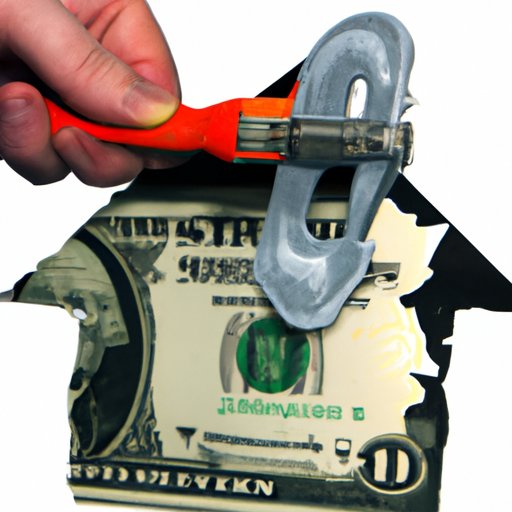
Finding affordable fixer upper loans can be challenging. However, there are several steps you can take to make sure you get the best deal possible. First, shop around for the best rates and compare different loan terms. Second, work with a mortgage broker to get the best rates. Finally, consider other financing options, such as home improvement grants and private money lenders.
Creative Financing Solutions for Fixer Upper Houses
In addition to traditional mortgages and home equity loans, there are several other creative financing solutions for fixer upper houses. These include owner financing, home improvement grants, and private money lenders. Each of these options has its own set of benefits and drawbacks, so it’s important to carefully consider all of your options before making a decision.
Conclusion
Purchasing a fixer upper property can be a great way to save money and customize your dream home. However, it’s important to understand the costs associated with financing a fixer upper house. From analyzing the costs of repairs and renovations to exploring down payment assistance programs, this guide provides an overview of the steps involved in financing a fixer upper. With the right strategy and creative financing solutions, you can get the most out of your fixer upper project.
(Note: Is this article not meeting your expectations? Do you have knowledge or insights to share? Unlock new opportunities and expand your reach by joining our authors team. Click Registration to join us and share your expertise with our readers.)