

Introduction
Composting is an effective way to reduce waste and create nutrient-rich soil for gardening. But it can be time-consuming and labor-intensive. That’s why many people are turning to automated composters to make the process easier and more efficient. But what are automated composters, and how can they help reduce waste? Read on to find out.
What Are Automated Composters?
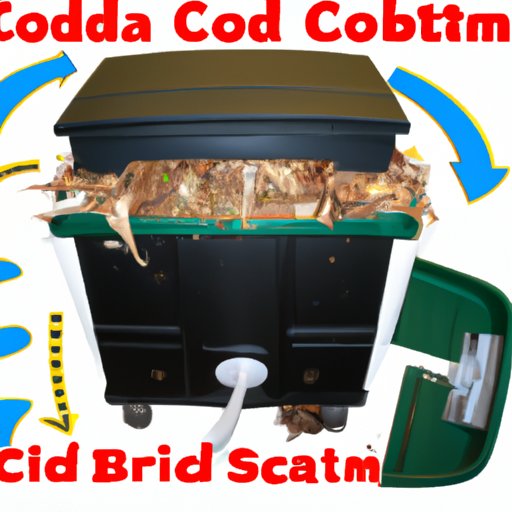
Automated composters are machines that use temperature and oxygen levels to break down organic materials into compost. They typically consist of a container with a heating element, a fan, and a thermostat. The container holds the organic materials, the heating element helps maintain the proper temperature for composting, the fan provides oxygen, and the thermostat regulates the temperature. Some models also feature timers, sensors, and other features to help automate the composting process.
Benefits of Automating Composting
Automated composters offer a number of advantages over traditional composting methods. They require less labor, as there’s no need to regularly turn the compost or add water. They also work faster than traditional methods, taking anywhere from a few days to a few weeks to produce compost. And because they’re enclosed, they keep out pests and unpleasant odors.
DIY Guide to Installing an Automated Composter
If you’d like to install an automated composter, here’s a step-by-step guide to help you get started:
- Gather the necessary materials and tools (e.g., drill, screws, saw, etc.).
- Find a suitable location for your composter (e.g., near your garden).
- Assemble the composter according to the manufacturer’s instructions.
- Once the composter is assembled, plug it in and set the timer.
- Add organic materials (e.g., kitchen scraps, yard waste, etc.) to the composter.
- Wait for the compost to be ready.
How Automated Composters Can Help Reduce Waste
Composting is an effective way to reduce landfill waste and methane emissions. According to a study by the United Nations Environment Programme, food waste accounts for roughly 30 percent of all global waste, and composting can reduce this amount significantly. Composting also reduces methane emissions by breaking down organic materials, which would otherwise release methane as they decompose in landfills.
The Pros and Cons of Automated Composters
Automated composters offer a number of advantages, but they also have some drawbacks. Here’s a look at the pros and cons:
Pros
- Less labor-intensive than traditional composting methods.
- Faster than traditional methods.
- Keeps out pests and unpleasant odors.
- Reduces landfill waste and methane emissions.
Cons
- Costly upfront investment.
- May not be suitable for larger composting projects.
- Can be difficult to assemble and maintain.
What to Look for When Buying an Automated Composter
When shopping for an automated composter, there are several factors to consider. Price is obviously a factor, but you should also consider the size of the unit and its features. Some models come with additional features, such as timers and sensors, which may be helpful if you’re looking for a more advanced model.
Tips for Getting the Most Out of Your Automated Composter
Once you’ve installed your automated composter, there are a few tips to help you get the most out of it. First, remember to perform regular maintenance, such as cleaning the filter and checking the thermostat. Second, be sure to only add organic materials that are suitable for composting. Finally, remember to add water as needed to keep the compost moist.
Conclusion
Automated composters are an effective way to reduce waste and create nutrient-rich soil for gardening. They require less labor and work faster than traditional methods, and they keep out pests and unpleasant odors. However, they can be costly upfront, and they may not be suitable for larger composting projects. When shopping for an automated composter, be sure to consider price, size, and features. With regular maintenance and the right materials, you can get the most out of your automated composter.
(Note: Is this article not meeting your expectations? Do you have knowledge or insights to share? Unlock new opportunities and expand your reach by joining our authors team. Click Registration to join us and share your expertise with our readers.)