
Introduction
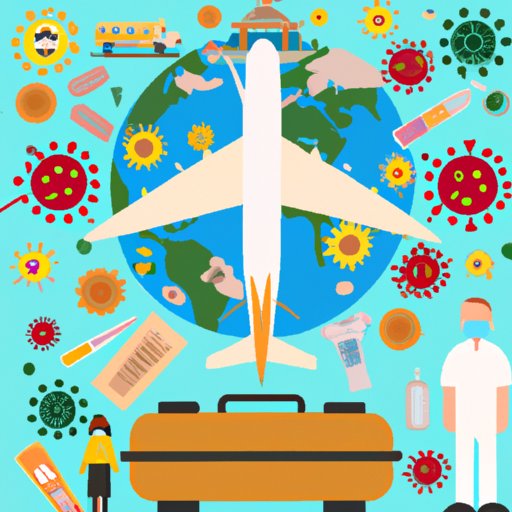
Air travel has become an integral part of our lives. From business trips to family vacations, it has enabled us to explore the world and expand our horizons. But with the emergence of the COVID-19 pandemic, air travel has been disrupted, with many countries imposing restrictions on international flights. This article will explore the current safety regulations for air travel, the impact on global tourism, the potential benefits of air travel during a pandemic, and the financial implications of air travel in the post-pandemic world.

Exploring the Current Safety Regulations for Air Travel
In response to the pandemic, many countries have imposed strict safety regulations on air travel. According to USA Today, these regulations include pre-flight health screenings, social distancing measures, face masks, and enhanced sanitation protocols. In some countries, passengers are required to provide proof of a negative COVID-19 test before boarding a flight. These regulations are designed to protect both passengers and crew members, and reduce the risk of transmission.
The rules and regulations vary from country to country, and airlines may have additional requirements in place. For example, some airlines require passengers to fill out a health questionnaire before boarding a flight. It is important for travelers to familiarize themselves with the regulations in their destination country, and make sure they comply with all necessary guidelines.
As Dr. William Schaffner, an infectious disease specialist at Vanderbilt University Medical Center, explains, “If you’re going to fly, you should be prepared to wear a face mask, practice social distancing, use hand sanitizer, and avoid contact with other passengers.” He adds that travelers should also bring their own food and water, as well as any necessary medications.
Examining the Impact of Air Travel Restrictions on Global Tourism
The restrictions on air travel have had a major impact on the global tourism industry. According to the World Travel & Tourism Council (WTTC), international tourist arrivals fell by 73% in 2020 compared to 2019. Domestic travel has also declined significantly, with many countries imposing travel bans or restrictions. This has had a devastating effect on the tourism sector, with millions of jobs lost worldwide.
Businesses in the travel and hospitality sector have been particularly hard hit. Hotels, restaurants, tour operators, and transportation companies have suffered major losses due to the decline in demand. Many of these businesses have had to close down or reduce their operations, resulting in further job losses.
The restrictions on air travel have also had a major impact on international trade and commerce. With fewer flights available, businesses have had to find alternative ways of transporting goods and materials. This has resulted in increased costs and delays, which can have a negative impact on productivity and profitability.

Analyzing the Potential Benefits of Air Travel During a Pandemic
Despite the challenges posed by the pandemic, there are some potential benefits of air travel. One of the main benefits is reduced risk of infection. As Dr. Schaffner explains, “The airplane cabin is pressurized and filtered, so the air quality is much better than in most public spaces.” This means that the risk of transmitting the virus is much lower on an airplane than in other enclosed spaces.
The restrictions on air travel have also made it easier for people to travel more flexibly. With fewer flights available, passengers can often get cheaper fares and more flexible schedules. This makes it easier for people to take last-minute trips or change their plans at short notice.
Investigating the Financial Implications of Air Travel in the Post-Pandemic World
The restrictions on air travel have had a major impact on the finances of airlines and airports. Airlines have had to reduce capacity, cancel flights, and offer refunds to passengers. This has led to significant losses for many airlines, with some even having to declare bankruptcy. Airports have also been affected, with reduced passenger numbers leading to lower revenues.
The cost of air travel is also likely to increase in the post-pandemic world. Airlines are likely to implement cost-saving measures such as reducing the number of flights and increasing ticket prices. Changes in flight schedules may also lead to longer waiting times, higher cancellation fees, and additional charges for services such as baggage handling.
Examining the Pros and Cons of Air Travel During the Pandemic
It is clear that air travel has both advantages and disadvantages during a pandemic. On one hand, it offers the potential for reduced risk of infection and increased flexibility. On the other hand, it carries financial risks for airlines and airports, and has had a major impact on global tourism.
Ultimately, the decision to travel by air during a pandemic should be based on a careful assessment of the risks and benefits. If you do decide to travel, make sure you follow all safety guidelines and take all necessary precautions.
Conclusion
Air travel has been severely impacted by the COVID-19 pandemic, with many countries imposing restrictions on international flights. This article has explored the current safety regulations for air travel, the impact on global tourism, the potential benefits of air travel during a pandemic, and the financial implications of air travel in the post-pandemic world. It has also examined the pros and cons of air travel during the pandemic. Ultimately, the decision to travel by air should be based on a careful assessment of the risks and benefits.
In conclusion, air travel is still possible during a pandemic, but travelers must be aware of the risks and take all necessary precautions. By following the safety regulations and taking the necessary steps to protect themselves and others, travelers can enjoy the benefits of air travel while minimizing the risks.
(Note: Is this article not meeting your expectations? Do you have knowledge or insights to share? Unlock new opportunities and expand your reach by joining our authors team. Click Registration to join us and share your expertise with our readers.)