
Introduction
Traveling is an adventure that many people look forward to. It’s a chance to explore new places, meet new people, and have unique experiences. But for some travelers, their trips are marred by illness. So is it true that traveling makes you sick?
This article will explore the risks of travel-related illness and provide tips on how to stay healthy while traveling. We’ll also discuss what you need to know about travel health and safety, as well as understanding the causes and symptoms of travel-related illness.
Exploring the Risks of Travel-Related Illness
Traveling can expose you to a variety of germs and bacteria, which can lead to illness. According to a study by the Centers for Disease Control and Prevention (CDC), approximately 10 percent of travelers become ill while they are away from home. Common causes of travel-related illness include foodborne illnesses, waterborne illnesses, air pollution, insect bites, and sun exposure.
The prevalence of travel-related illness varies depending on the destination. For example, travelers to developing countries are more likely to get sick than travelers to developed countries. This is because the standards of hygiene and access to medical care may not be as high in some parts of the world.
How to Avoid Getting Sick While Traveling
There are several steps you can take to reduce your risk of getting sick while traveling. The following are the top 5 ways to stay healthy while traveling:
1. Practice Good Hygiene: Washing your hands regularly is one of the most effective ways to prevent the spread of germs and bacteria. Be sure to use soap and warm water and scrub for at least 20 seconds. Also, avoid touching your face, mouth, and eyes with unwashed hands.
2. Drink Plenty of Water: Staying hydrated is important when you’re traveling. Carry a reusable water bottle with you and refill it throughout the day. If you’re traveling to a foreign country, make sure to drink only bottled or filtered water.
3. Get Adequate Rest: Flying and jet lag can take a toll on your body, so it’s important to get enough rest while traveling. Try to get at least 7-8 hours of sleep per night and try to stick to a regular sleep schedule.
4. Eat Nutritious Meals: Eating nutritious meals is essential for staying healthy while traveling. Avoid eating street food, which may not be prepared properly and could contain bacteria. Instead, opt for restaurants that serve fresh, local ingredients.
5. Exercise Regularly: Exercise can help boost your immune system and keep your energy levels up. Even if you don’t have access to a gym, there are plenty of ways to stay active while traveling. Take the stairs instead of the elevator, walk or bike instead of taking public transportation, and explore your destination on foot.
Tips for Preventing Travel-Related Illnesses
In addition to the tips listed above, there are other steps you can take to reduce your risk of getting sick while traveling. Here are a few more tips for preventing travel-related illnesses:
Vaccinations and Immunizations: Before you travel, check with your doctor to see if any vaccinations or immunizations are recommended for your destination. Vaccines can help protect you against common illnesses such as measles, mumps, rubella, and influenza.
Use Sunscreen and Insect Repellent: Sunburns and insect bites can both increase your risk of getting sick while traveling. To reduce your risk, be sure to wear sunscreen and insect repellent when you’re outside.
Seek Medical Help if Necessary: If you begin to feel ill while traveling, seek medical attention right away. Many destinations offer quality medical care, so don’t be afraid to ask for help if you need it.

What You Need to Know About Travel Health and Safety
Before you travel, there are a few things you should do to ensure your safety and wellbeing. Here are some tips for staying safe while traveling:
Research Your Destination Before You Go: Research the area you’re visiting and familiarize yourself with the local laws, customs, and language. This will help you better understand the culture and prepare for any potential hazards.
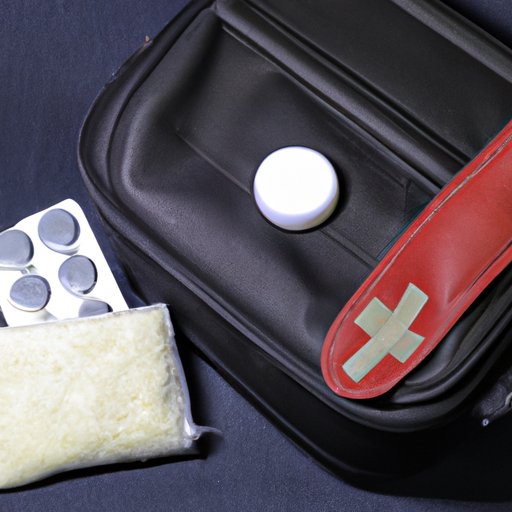
Prepare an Emergency Kit: Pack a first-aid kit with basic supplies such as bandages, antiseptic wipes, and over-the-counter medications. You should also bring any necessary prescription medications with you.
Take Out Travel Insurance: Travel insurance can help cover unexpected costs such as medical bills, lost luggage, and flight cancellations. Be sure to read the policy carefully so you know what is covered.
Understanding the Causes and Symptoms of Travel-Related Illness
Travel-related illnesses can range from mild to severe. Common symptoms of travel-related illness include nausea, vomiting, diarrhea, fever, headache, and muscle aches. If you experience any of these symptoms, it’s important to seek medical attention right away.
When seeking medical attention, be sure to tell your doctor where you have traveled and any activities you have done. This will help them diagnose the cause of your illness and prescribe the appropriate treatment.
Conclusion
Traveling can be an enjoyable and rewarding experience, but it can also increase your risk of getting sick. By following the tips outlined in this article, you can reduce your risk of getting sick while traveling. Be sure to practice good hygiene, drink plenty of water, get adequate rest, eat nutritious meals, exercise regularly, and follow the other safety tips mentioned.
Remember, if you do start to feel ill while traveling, seek medical attention right away. Knowing the causes and symptoms of travel-related illness can help you make informed decisions about your health and safety.
(Note: Is this article not meeting your expectations? Do you have knowledge or insights to share? Unlock new opportunities and expand your reach by joining our authors team. Click Registration to join us and share your expertise with our readers.)