

Introduction
Traveling can be an exciting experience, but it can also be stressful and taxing on the body. One of the most common side effects of travel is sinus problems, which can range from mild to severe. In this article, we’ll explore the link between traveling and sinus problems, as well as provide tips for preventing and managing sinus issues while on the go.
Overview of the Link Between Traveling and Sinus Problems
Sinus problems occur when the sinuses become inflamed or infected. This can lead to symptoms such as headaches, congestion, and facial pain. While there are many potential causes of sinus problems, traveling is one of the most common. This is because when traveling, you’re exposed to a variety of new environments, including planes, trains, and buses, that can affect your sinus health.
The Impact of Air Travel on Sinus Health
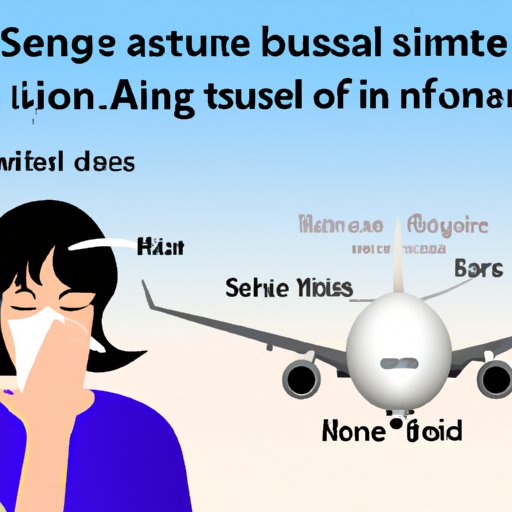
Air travel can have a particularly significant impact on sinus health. The air in airplanes is often dry and full of allergens, irritants, and bacteria. This can cause the sinuses to become irritated and inflamed, leading to sinus problems. Additionally, the change in pressure can cause the eustachian tubes to become blocked, leading to congestion and pain.
Tips for Preventing Sinus Issues When Traveling
There are several steps you can take to prevent sinus problems when traveling. Here are some tips:
Pre-Travel Preparation
Before traveling, it’s important to make sure your sinuses are in good shape. If you suffer from allergies or chronic sinusitis, be sure to talk to your doctor about how best to manage your condition before you go. You may also want to consider using a nasal spray or taking an antihistamine to reduce inflammation.
Staying Hydrated During Flights
It’s important to stay hydrated when flying, as the dry air in airplanes can quickly lead to dehydration. Make sure to bring plenty of water with you, and try to drink regularly throughout the flight. Avoid drinking alcohol or caffeinated beverages, as these can further dehydrate the body.
Avoiding Allergens and Irritants
When traveling, it’s important to avoid exposure to allergens and irritants, such as cigarette smoke and perfumes. Ask the airline if they offer any special accommodations for people with allergies, and make sure to carry any necessary medications with you.
Minimizing Stress Levels
Traveling can be stressful, so it’s important to find ways to relax and minimize stress levels. Try to get plenty of rest before and during your trip, and practice relaxation techniques, such as deep breathing and meditation, to help keep your stress levels in check.
Understanding How to Manage Sinus Problems While Traveling
If you do develop sinus problems while traveling, there are several steps you can take to manage the symptoms. Here are some tips:
Monitoring Symptoms
It’s important to pay attention to your symptoms and monitor them closely. If your symptoms become worse or don’t improve after a few days, it’s best to seek medical advice.
Taking Medication as Needed
If you’re experiencing sinus pain or discomfort, over-the-counter medications, such as ibuprofen or acetaminophen, can help. You may also want to consider using a decongestant or nasal spray to reduce inflammation.
Getting Plenty of Rest
Make sure to get plenty of rest while traveling. This will help your body recover and allow you to better manage your symptoms.
Using Nasal Strips
Nasal strips can be helpful in relieving congestion and allowing you to breathe easier. They are available over the counter and can be used to help open up the nasal passages.
Strategies for Minimizing Sinus Discomfort During Air Travel
In addition to the above tips, there are several strategies you can use to minimize sinus discomfort during air travel. Here are some tips:
Choosing the Right Seat
If possible, choose a seat near the front of the plane, as this will give you easier access to the bathroom and fresh air. Additionally, try to avoid seats near the window, as they tend to be colder than other areas of the plane.
Wearing Earplugs
Earplugs can be helpful in reducing noise and providing relief from sinus pressure. They also help to block out allergens and irritants in the air.
Using Humidifiers
Humidifiers can help to keep the air in the cabin moist, which can help to reduce sinus discomfort. If you don’t have access to a humidifier, you can use a damp cloth or tissue to keep the air around you moist.
Practicing Relaxation Techniques
Relaxation techniques, such as deep breathing and visualization, can help to reduce stress and tension. Taking a few moments to do these exercises can help to reduce sinus discomfort.
Conclusion
Sinus problems can be a common side effect of travel. To minimize the risk of developing sinus issues, it’s important to take steps to protect your sinus health before and during your trip. Additionally, understanding how to manage sinus problems while traveling can help to reduce discomfort and ensure that your travels remain enjoyable.
(Note: Is this article not meeting your expectations? Do you have knowledge or insights to share? Unlock new opportunities and expand your reach by joining our authors team. Click Registration to join us and share your expertise with our readers.)