

Introduction
Constipation is an uncomfortable and often embarrassing condition that can be exacerbated when traveling. It is defined as having fewer than three bowel movements in a week and/or passing hard or dry stools with difficulty. Constipation can lead to abdominal pain, bloating, and nausea. It is important to recognize the signs and symptoms of constipation while traveling and take steps to prevent it.
Common Causes of Constipation While Traveling
Traveling can disrupt your daily routine, making it difficult to maintain healthy habits. This can include diet, sleep patterns, exercise, and stress levels. All of these factors can contribute to constipation. Other causes include dehydration, lack of fiber in the diet, and a sedentary lifestyle. Certain medications, such as opioids, can also cause constipation.

Tips for Coping with Constipation While Traveling
The best way to prevent constipation while traveling is to maintain a healthy lifestyle. Here are some tips:
- Increase fiber intake: Eating foods high in fiber, such as whole grains, fruits and vegetables, and nuts and seeds, can help keep you regular. Aim for at least 25-30 grams of fiber per day.
- Drink plenty of water: Staying hydrated helps keep your digestive system functioning properly. Try to drink at least eight 8-ounce glasses of water each day.
- Exercise regularly: Exercise helps stimulate your digestive system and can help relieve constipation. Aim for at least 30 minutes of activity every day.
- Avoid caffeine and alcohol: Caffeine and alcohol can both dehydrate the body and lead to constipation. Try to limit your intake of these substances.
How to Avoid Constipation on Long Trips
Long trips can be especially challenging when it comes to avoiding constipation. Here are some tips for staying regular during long trips:
- Take breaks during long trips: Stopping to stretch your legs and move around periodically can help keep your digestive system active. Take frequent breaks to walk around and get your blood flowing.
- Eat smaller portions more frequently: Eating larger meals can put a strain on your digestive system. Try to eat smaller, more frequent meals throughout the day.
- Limit processed foods: Processed foods tend to be low in fiber and can contribute to constipation. Try to opt for healthier, whole-food options whenever possible.

Natural Remedies for Constipation While Traveling
In addition to lifestyle changes, there are some natural remedies that can help relieve constipation while traveling. These include:
- Prunes: Prunes are high in fiber and contain sorbitol, a natural laxative. Eat a few prunes each day or try drinking prune juice.
- Fiber supplements: Fiber supplements, such as psyllium husk powder, can help add bulk to your stool and make it easier to pass. Start with a small dose and increase gradually as needed.
- Herbal teas: Herbal teas, such as chamomile, peppermint, and ginger, can help relax the digestive system and relieve constipation. Drink two to three cups of tea daily.
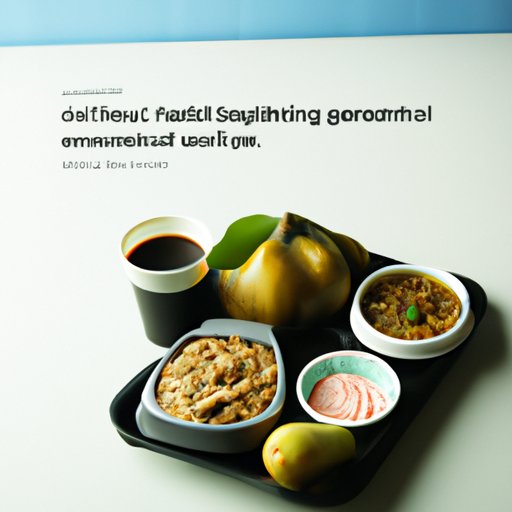
The Best Foods to Eat While Traveling to Help Prevent Constipation
Eating the right foods can help prevent constipation while traveling. Here are some of the best foods to eat:
- Whole grains: Whole grains, such as oats, quinoa, and brown rice, are high in fiber and can help keep you regular. Try to incorporate them into your meals.
- Fruits and vegetables: Fruits and vegetables are packed with fiber and vitamins and minerals. Try to eat at least five servings per day.
- Nuts and seeds: Nuts and seeds are high in fiber and healthy fats. Try to snack on a handful of nuts or seeds each day.
Practical Strategies for Battling Constipation When You’re On the Road
When traveling, it can be difficult to stick to a regular bathroom schedule. Here are some practical strategies for battling constipation while on the road:
- Use the bathroom when you have the opportunity: Don’t wait until you’re desperate. If you feel the urge to go, don’t hesitate. Taking regular bathroom breaks can help keep your digestive system moving.
- Bring laxatives with you: Laxatives, such as Miralax, can help relieve constipation when taken as directed. Ask your doctor which type of laxative is best for you.
- Meditate or practice yoga: Stress can contribute to constipation. Taking time to relax and meditate or doing some gentle yoga stretches can help reduce stress and keep your digestive system running smoothly.
Conclusion
Constipation can be a common problem when traveling. The key is to maintain a healthy lifestyle and take steps to prevent constipation before it starts. Eating a balanced diet high in fiber, drinking plenty of water, exercising regularly, and taking regular bathroom breaks can all help prevent constipation. Natural remedies, such as prunes, fiber supplements, and herbal teas, can also be helpful. If constipation persists, talk to your doctor about other treatment options.
Constipation can be an uncomfortable and embarrassing issue, but it doesn’t have to ruin your trip. With the right lifestyle changes and natural remedies, you can keep your digestive system running smoothly while on the road.
(Note: Is this article not meeting your expectations? Do you have knowledge or insights to share? Unlock new opportunities and expand your reach by joining our authors team. Click Registration to join us and share your expertise with our readers.)