
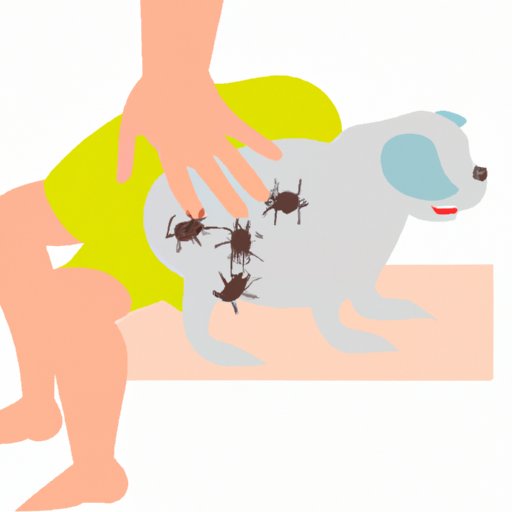
Exploring the Risk of Flea Infestation in Humans
Fleas are small, wingless parasites that can travel between hosts, such as humans and pets, in search of food and shelter. Fleas are not only annoying, but they can also cause serious health problems if left unchecked. To protect yourself and your family from fleas, it is important to understand the risk of flea infestation in humans as well as how to prevent them from travelling on humans.

Signs and Symptoms of a Flea Infestation in Humans
The most common sign of a flea infestation in humans is itching. When fleas bite humans, they inject saliva into the skin, which causes an allergic reaction that results in itching and redness. Other signs of a flea infestation include seeing fleas or flea dirt (small black specks) in the home, on furniture, or on clothing. In severe cases, fleas can cause anemia due to blood loss.
The Impact of Flea Infestations on Human Health
Flea infestations can pose a serious health risk to humans. Fleas can transmit diseases, including typhus, tapeworms, and plague. Fleas can also trigger asthma attacks and allergies in some people. According to the Centers for Disease Control and Prevention (CDC), flea bites can also lead to secondary infections if not treated properly.

How to Prevent Fleas from Travelling on Humans
One of the best ways to prevent fleas from travelling on humans is to wear protective clothing when outdoors. Wear long pants and long sleeves, and tuck your pant legs into your socks. If possible, spray your clothing with insect repellent containing DEET. Additionally, keep your pets groomed and clean. Vacuum frequently to remove any fleas that may have settled in carpets or upholstery.

A Guide to Recognizing Flea Bites on Humans
Flea bites typically appear as small, itchy bumps on the skin. They are usually red, raised, and look like mosquito bites. Some people may develop hives or papules at the site of the bite. Flea bites can also cause swelling and blistering in some cases.
Identifying Flea Bites on the Skin
Flea bites are often confused with other types of bug bites, such as mosquito or bed bug bites. To differentiate between these bites, look for the following signs: flea bites are usually grouped together in clusters; they are often found on the ankles and lower legs; and they may cause intense itching. If you suspect you have been bitten by a flea, consult a doctor or dermatologist for proper diagnosis and treatment.

Understanding Flea Populations and Their Movement Patterns
To effectively prevent fleas from travelling on humans, it is important to understand their life cycle and movement patterns. Fleas go through four stages of development: egg, larvae, pupae, and adult. Adult fleas can live up to one year, during which time they can lay hundreds of eggs. Factors such as temperature and humidity can affect the rate of flea population growth and movement.
The Life Cycle of Fleas
According to research published in the journal PLOS ONE, fleas can complete their life cycle in as little as 18 days. The eggs hatch into larvae, which feed on organic debris before spinning a cocoon and emerging as an adult flea. Adult fleas then feed on the blood of their host and reproduce. This process can repeat itself multiple times in a single day.
Factors that Affect Flea Movement
In addition to temperature and humidity, there are other factors that can affect flea movement, such as light intensity and wind speed. These environmental conditions can cause fleas to disperse over large distances in search of new hosts. Fleas can also hitch a ride on humans, animals, and clothing to travel between different locations.

The Benefits of Regular Pet Grooming to Control Flea Spread
Regular pet grooming is one of the best ways to prevent fleas from travelling on humans. Grooming removes dead skin, hair, and dirt from your pet’s coat, which can reduce the number of fleas present. Additionally, regular brushing can help detect flea infestations early on, allowing you to take action before the problem worsens.
What is Involved in Pet Grooming?
Pet grooming involves bathing, brushing, and trimming your pet’s coat. It is important to use a shampoo specifically designed for pets, as human shampoo can be too harsh for their skin. Additionally, it is important to brush your pet’s coat thoroughly to remove any fleas that may be present. Finally, trimming the fur around the face and eyes can help improve your pet’s vision and reduce the risk of eye infections.
The Benefits of Regular Pet Grooming
Grooming your pet regularly can provide numerous benefits, including reducing the risk of flea infestation. Regular brushing and bathing can also help reduce shedding and remove excess hair, dander, and dirt from your pet’s coat. Additionally, regular grooming can help strengthen the bond between you and your pet.
A Look at Common Treatments for Flea Infestations in Humans
Treating a flea infestation in humans can be challenging. Over-the-counter treatments, such as sprays and shampoos, can help kill fleas on contact. Professional treatments, such as fumigation, may be necessary in severe cases. Natural remedies, such as essential oils, may also be effective in treating flea infestations.
Over-the-Counter Treatments
There are a variety of over-the-counter treatments available for treating flea infestations in humans. These products generally contain insecticides that kill fleas on contact. Be sure to follow the instructions on the product label carefully to avoid any adverse reactions.
Professional Treatments
In some cases, professional treatments may be necessary to eliminate a flea infestation. Pest control professionals can use special equipment and chemicals to treat the affected area. According to the CDC, these treatments should only be used as a last resort, as they can be dangerous if not applied correctly.
Natural Remedies
Natural remedies, such as essential oils, can also be effective in treating flea infestations. Essential oils such as lavender and peppermint can be used to repel fleas and other insects. Additionally, natural remedies can be less toxic than chemical treatments, making them a safer option for those with sensitive skin.
Conclusion
Fleas are a common nuisance that can be found in homes, yards, and other areas. Understanding the risk of flea infestations in humans, how to prevent fleas from travelling on humans, recognizing flea bites, understanding flea populations, pet grooming to control flea spread, and treatments for flea infestations can help you protect yourself and your family from fleas.
(Note: Is this article not meeting your expectations? Do you have knowledge or insights to share? Unlock new opportunities and expand your reach by joining our authors team. Click Registration to join us and share your expertise with our readers.)