
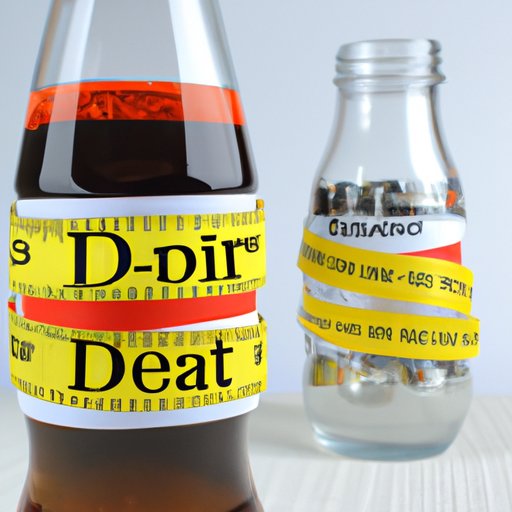
Introduction
When trying to lose weight or maintain a healthy lifestyle, many people turn to diet soda as an alternative to regular soda. However, is drinking diet soda actually beneficial for weight loss, or could it be making you gain weight? This article will explore this question in depth by examining the evidence from research studies and looking at the potential health effects of diet soda.
Examining the Evidence: Can Drinking Diet Soda Make You Gain Weight?
There are conflicting opinions on whether diet soda can cause weight gain. While some studies have found that diet soda can lead to weight gain, other studies have found no link between diet soda consumption and weight gain. To better understand the evidence, it’s important to consider the different types of diet sodas and their potential effects.
What Studies Say
One study conducted by researchers at the University of California San Francisco examined the effect of diet soda on weight gain over a 10-year period. The study found that those who drank one or more diet sodas per day had three times the risk of becoming overweight or obese compared to those who did not drink diet soda. Other studies have found similar results, suggesting that there may be a link between diet soda consumption and weight gain.
Different Types of Diet Sodas and Their Effects
It’s also important to consider the different types of diet sodas and their potential effects. For example, some diet sodas contain artificial sweeteners, such as aspartame, which has been linked to increased appetite and cravings for sweets. Other diet sodas contain sugar alcohols, such as xylitol, which can cause bloating, gas, and diarrhea if consumed in large amounts. Additionally, some diet sodas are caffeinated, which can lead to dehydration and increased appetite.
Exploring the Health Effects of Diet Soda: Does it Cause Weight Gain?
In addition to considering the potential effects of different types of diet soda, it’s also important to look at the ingredients in diet soda and how they may affect your health. Many diet sodas contain artificial sweeteners, preservatives, and other chemicals that may have adverse health effects.
What Ingredients are in Diet Soda
Most diet sodas contain artificial sweeteners, such as aspartame, acesulfame potassium (ace-K), saccharin, and sucralose. These sweeteners provide a sweet taste without adding calories, but some research suggests that they may have an adverse effect on metabolism and increase cravings for sweets. Diet sodas also often contain preservatives and other additives, such as phosphoric acid, citric acid, and sodium benzoate.
Potential Side Effects of Diet Soda
In addition to potentially affecting metabolism, diet soda has been linked to other potential side effects. According to a recent study published in the journal Diabetes Care, consuming diet soda was associated with a higher risk of developing type 2 diabetes. Additionally, research has suggested that drinking diet soda may be linked to an increased risk of stroke, heart attack, and kidney damage.
Is Diet Soda Sabotaging Your Weight Loss Goals?
Given the potential health risks associated with diet soda, it’s important to consider how it may affect your weight loss goals. There is evidence that suggests that drinking diet soda may lead to weight gain, but it’s important to look at the evidence more closely.
How Diet Soda May Affect Your Metabolism
Some research suggests that drinking diet soda may disrupt the body’s metabolism and lead to weight gain. A study published in the journal Obesity found that drinking diet soda was associated with a decrease in resting metabolic rate, which could lead to weight gain. Additionally, another study published in the American Journal of Clinical Nutrition found that consuming diet soda was associated with a higher risk of gaining abdominal fat.
What to Consider Before Choosing Diet Soda
When choosing a beverage, it’s important to consider the potential health risks associated with diet soda. While diet soda may be appealing due to its low calorie count, it’s important to note that it may have adverse effects on metabolism and health. Additionally, it’s important to note that there are healthier alternatives to diet soda, such as water or unsweetened tea.
The Pros and Cons of Diet Soda: Is it Making You Gain Weight?
When considering the pros and cons of diet soda, it’s important to look at both sides of the argument. On one hand, diet soda can be a lower calorie alternative to regular soda, and it can help reduce sugar intake. On the other hand, diet soda may have adverse effects on metabolism and health, and it may contribute to weight gain.
Benefits of Diet Soda
One of the main benefits of diet soda is that it can provide a lower calorie alternative to regular soda. Additionally, some studies suggest that switching from regular soda to diet soda can help reduce sugar intake. One study published in the journal Appetite found that switching from regular soda to diet soda was associated with a decrease in sugar intake.
Potential Risks of Diet Soda
While diet soda may offer some benefits, there are also potential risks associated with drinking it. As mentioned, research has suggested that drinking diet soda may be associated with an increased risk of certain health conditions, such as type 2 diabetes and stroke. Additionally, some studies have found that diet soda can lead to weight gain, particularly in the abdominal area.
Diet Soda and Weight Gain: What’s the Link?
Given the potential risks associated with diet soda, it’s important to consider whether it can lead to weight gain. While some studies have suggested that there is a link between diet soda and weight gain, other studies have found no link. To better understand the evidence, it’s important to look at the different factors that may contribute to weight gain.
Does Diet Soda Contribute to Weight Gain?
Some research suggests that drinking diet soda may contribute to weight gain. For example, one study found that those who drank one or more diet sodas per day had a threefold increased risk of becoming overweight or obese compared to those who did not drink diet soda. Additionally, other studies have suggested that drinking diet soda may lead to increased abdominal fat.
Other Factors That May Contribute to Weight Gain
It’s important to note that there are other factors that may contribute to weight gain, such as lack of physical activity, poor diet, and genetics. Additionally, some research suggests that diet soda may lead to increased cravings for sweets, which can lead to overeating and weight gain.
What Science Says About Diet Soda and Weight Gain
After examining the evidence, it’s clear that there is conflicting evidence on the link between diet soda and weight gain. Some studies have suggested that drinking diet soda may lead to weight gain, while other studies have found no link. It’s important to consider the potential health risks associated with drinking diet soda, as well as other factors that may contribute to weight gain.
Recent Studies on Diet Soda and Weight Gain
In recent years, there have been several studies that have looked at the link between diet soda and weight gain. One study published in the journal Obesity found that drinking diet soda was associated with decreased resting metabolic rate, which could lead to weight gain. Additionally, another study published in the journal Diabetes Care found that consuming diet soda was associated with an increased risk of developing type 2 diabetes.
Final Thoughts
Overall, the evidence suggests that there may be a link between diet soda and weight gain, though more research is needed to determine the exact nature of the link. It’s important to consider the potential health risks associated with drinking diet soda, as well as other factors that may contribute to weight gain.
Conclusion
In conclusion, this article has explored the question of whether drinking diet soda can make you gain weight. After examining the evidence from research studies, it’s clear that there is conflicting evidence on the link between diet soda and weight gain. Some studies have suggested that drinking diet soda may lead to weight gain, while other studies have found no link. It’s important to consider the potential health risks associated with drinking diet soda, as well as other factors that may contribute to weight gain. Ultimately, it’s up to each individual to decide if drinking diet soda is right for them.
Summary of Findings
This article has explored the evidence from research studies on the link between diet soda and weight gain. It has examined the different types of diet sodas and their potential effects, as well as the potential health risks associated with drinking diet soda. Additionally, it has looked at how diet soda may affect metabolism and how other factors may contribute to weight gain.
Final Recommendations
When deciding whether to drink diet soda, it’s important to consider the potential health risks associated with it, as well as other factors that may contribute to weight gain. Additionally, it’s important to note that there are healthier alternatives to diet soda, such as water or unsweetened tea. Ultimately, it’s up to each individual to decide if drinking diet soda is right for them.
(Note: Is this article not meeting your expectations? Do you have knowledge or insights to share? Unlock new opportunities and expand your reach by joining our authors team. Click Registration to join us and share your expertise with our readers.)