
Introduction
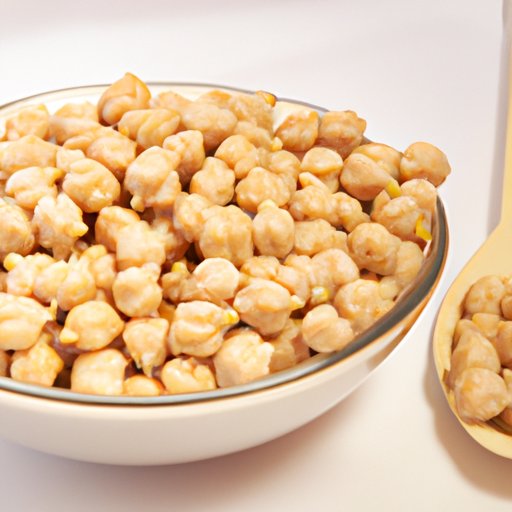
Chickpeas, also known as garbanzo beans, are legumes that have been enjoyed around the world for centuries. They are a nutrient-dense food that is high in protein and fiber and low in fat. Chickpeas are also a good source of essential vitamins and minerals, making them an excellent addition to any diet.
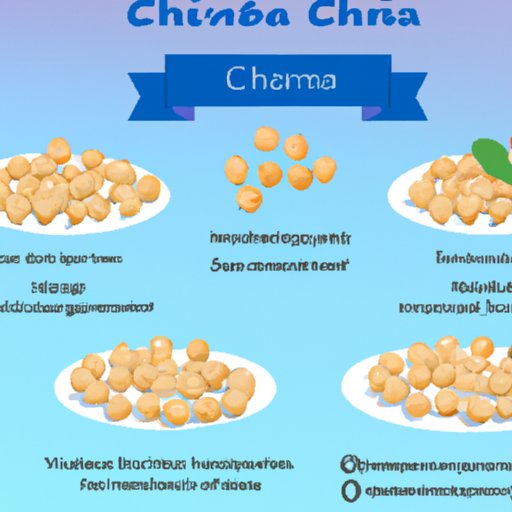
In this article, we’ll explore chickpeas nutrition in greater detail, including the health benefits of chickpeas, the nutritional content of chickpeas, and how to incorporate more of this superfood into your diet.
A Comprehensive Guide to Chickpeas Nutrition
Health Benefits of Chickpeas
Chickpeas are a great source of plant-based protein, providing 17 grams of protein per cup. In addition to protein, they are also a good source of fiber, which can help with digestion, promote satiety, and may even aid in weight loss.
Chickpeas are also rich in essential vitamins and minerals, such as folate, iron, zinc, and magnesium. These nutrients are important for overall health, including bone health, immune system function, and energy production.
Exploring the Nutritional Content of Chickpeas
Chickpeas are a good source of macronutrients, which include carbohydrates, proteins, and fats. One cup of cooked chickpeas contains approximately 37 grams of carbohydrates, 17 grams of protein, and 5 grams of fat.
In terms of vitamins and minerals, chickpeas are a good source of folate, iron, zinc, and magnesium. They also contain small amounts of other vitamins and minerals, including calcium, potassium, vitamin C, and B vitamins.
Chickpeas also contain phytonutrients, which are compounds found in plants that may have beneficial effects on health. Phytonutrients found in chickpeas include polyphenols, flavonoids, and carotenoids.
How to Incorporate More Chickpeas Into Your Diet
Chickpeas can be enjoyed in a variety of ways. They can be eaten raw, roasted, or cooked, and can be added to salads, soups, stews, curries, and more. They can also be made into hummus, falafel, and other delicious dishes.
If you’re looking for some inspiration, here are a few recipes featuring chickpeas: Curry Chickpea Salad, Roasted Chickpea Tacos, and Falafel Wraps.
The Health Benefits of Chickpeas: What the Research Says
Studies on Health Benefits
Several studies have explored the health benefits of chickpeas. A 2013 study published in the British Journal of Nutrition found that chickpeas may reduce blood pressure, cholesterol, and triglycerides. A 2016 study published in the International Journal of Food Sciences and Nutrition found that chickpeas may reduce inflammation, improve glucose tolerance, and reduce body fat.
Potential Cardiovascular Benefits
Chickpeas are a good source of dietary fiber, which can help reduce cholesterol levels and improve heart health. A 2015 study published in the journal Nutrients found that consuming chickpeas may reduce total cholesterol, LDL (“bad”) cholesterol, and triglycerides.
Digestive Benefits
Chickpeas are a good source of dietary fiber, which can help improve digestion and regularity. A 2017 study published in the journal Nutrients found that consuming chickpeas may increase the production of short-chain fatty acids, which can help support gut health.
Effects on Blood Sugar
Chickpeas are a low glycemic index food, meaning that they can help keep blood sugar levels stable. A 2014 study published in the journal Diabetes Care found that consuming chickpeas may help reduce the risk of type 2 diabetes.
Potential Weight Loss Benefits
Chickpeas are high in fiber and protein, both of which can help promote satiety and aid in weight loss. A 2012 study published in the Nutrition Journal found that consuming chickpeas may reduce hunger and improve feelings of fullness.
Exploring the Nutritional Content of Chickpeas
Macronutrients
Chickpeas are a good source of macronutrients, which include carbohydrates, proteins, and fats. One cup of cooked chickpeas contains approximately 37 grams of carbohydrates, 17 grams of protein, and 5 grams of fat.
Vitamins and Minerals
Chickpeas are a good source of essential vitamins and minerals, such as folate, iron, zinc, and magnesium. They also contain small amounts of other vitamins and minerals, including calcium, potassium, vitamin C, and B vitamins.
Other Important Nutrients
Chickpeas are also a good source of phytonutrients, which are compounds found in plants that may have beneficial effects on health. Phytonutrients found in chickpeas include polyphenols, flavonoids, and carotenoids.
How to Incorporate More Chickpeas Into Your Diet
Different Ways to Prepare Chickpeas
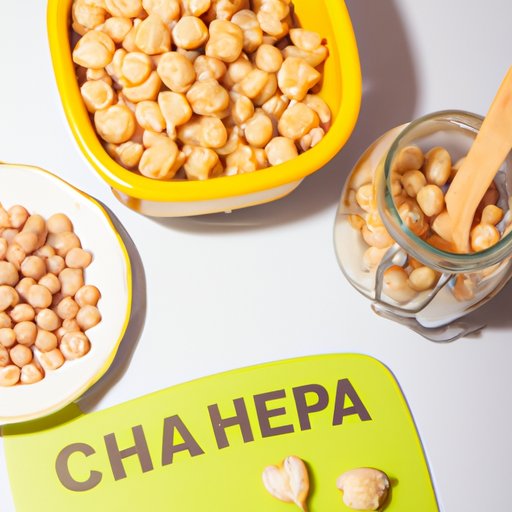
Chickpeas can be enjoyed in a variety of ways. They can be eaten raw, roasted, or cooked, and can be added to salads, soups, stews, curries, and more. They can also be made into hummus, falafel, and other delicious dishes.
Recipes Featuring Chickpeas
If you’re looking for some inspiration, here are a few recipes featuring chickpeas: Curry Chickpea Salad, Roasted Chickpea Tacos, and Falafel Wraps.

The Superfood Potential of Chickpeas: What You Need to Know
Potential Antioxidant Benefits
Chickpeas are a good source of antioxidants, which can help protect cells from damage. A 2014 study published in the journal Food Chemistry found that consuming chickpeas may reduce oxidative stress and improve markers of antioxidant status.
Potential Anti-Inflammatory Benefits
Chickpeas are a good source of anti-inflammatory compounds, which can help reduce inflammation in the body. A 2017 study published in the journal Nutrients found that consuming chickpeas may reduce inflammatory markers in the blood.
Potential Cancer Prevention Benefits
Chickpeas are a good source of phytonutrients, which can help reduce the risk of certain types of cancer. A 2010 study published in the journal Nutrition and Cancer found that consuming chickpeas may reduce the risk of prostate cancer.
Conclusion
Chickpeas are a nutrient-dense food that is high in protein, fiber, and essential vitamins and minerals. They have numerous potential health benefits, including potential cardiovascular, digestive, and weight loss benefits. They are also a good source of antioxidants, anti-inflammatory compounds, and phytonutrients, which can help reduce the risk of certain types of cancer.
Chickpeas can be enjoyed in a variety of ways, from adding them to salads and soups to making them into hummus and falafel. If you’re looking for some inspiration, try one of the recipes mentioned above.
Overall, incorporating more chickpeas into your diet is an easy way to boost your nutrition and get the most out of this superfood.
(Note: Is this article not meeting your expectations? Do you have knowledge or insights to share? Unlock new opportunities and expand your reach by joining our authors team. Click Registration to join us and share your expertise with our readers.)