
Introduction
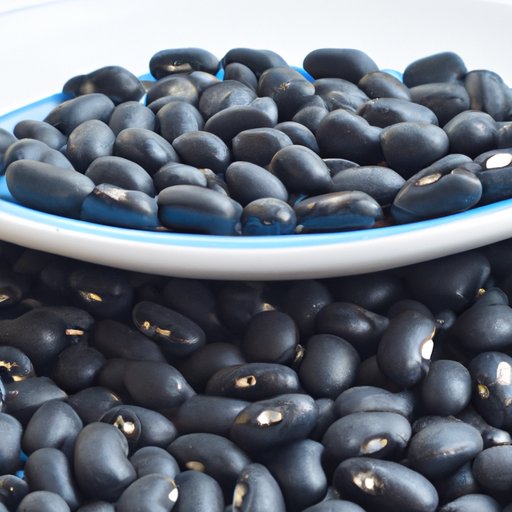
Black beans are a type of legume that has been eaten for centuries. They are an excellent source of nutrition, providing a variety of vitamins, minerals, and other beneficial compounds. In this article, we will explore the nutritional benefits of black beans and provide a comprehensive guide for eating them for optimal health.

Exploring the Nutritional Benefits of Black Beans
Black beans are an excellent source of both protein and dietary fiber. One cup of cooked black beans contains 15 grams of protein and 15 grams of dietary fiber. This makes them an excellent choice for vegetarians and vegans who are looking to increase their intake of plant-based proteins. Additionally, black beans are rich in vitamins and minerals like iron, magnesium, potassium, and folate.
In addition to being a great source of essential nutrients, black beans are also low in fat and calories. One cup of cooked black beans contains only 227 calories and less than 1 gram of fat. This makes them an ideal food for those who are trying to lose or maintain their weight.

A Comprehensive Guide to Eating Black Beans for Optimal Nutrition
Eating black beans can provide a wealth of nutritional benefits, but there are a few tips to keep in mind for maximizing the nutritional value. First, it is important to incorporate black beans into meals as often as possible. Adding them to salads, soups, stews, casseroles, and side dishes is a great way to increase the nutritional value of a meal. Additionally, there are many delicious recipes that use black beans as the main ingredient, such as burritos, tacos, chili, and more.
When shopping for black beans, look for varieties that have minimal added sodium and preservatives. Also, be sure to read labels carefully to make sure you are getting the highest quality product. Finally, when cooking with black beans, it is important to remember that they need to be cooked properly in order to maximize their nutritional value. For example, soaking and boiling black beans before cooking can help to reduce the amount of gas-producing compounds and make them easier to digest.

How Black Beans Can Help with Weight Loss and Maintenance
Black beans are an excellent choice for those looking to lose or maintain their weight. This is because they are high in fiber, which helps to keep you feeling full for longer periods of time. Additionally, the protein in black beans helps to slow down digestion and keeps you feeling satisfied for hours after eating. This can help to reduce overall calorie intake, which can lead to weight loss.
The fiber in black beans also plays an important role in weight loss and maintenance. Fiber helps to increase feelings of fullness and can help to reduce cravings. Additionally, fiber helps to regulate blood sugar levels, which is important for maintaining a healthy body weight. Finally, the fiber in black beans helps to promote digestive health, which can help to reduce bloating and improve overall health.
A Comparison of Nutritional Values Between Different Types of Black Beans
Not all types of black beans are equal when it comes to nutritional value. While all types contain similar amounts of fiber, protein, and vitamins and minerals, there are variations in the amount of these nutrients depending on the type of bean. For example, small black beans tend to have higher amounts of fiber, while large black beans tend to have higher amounts of protein.
Additionally, there are factors that can affect the nutritional value of black beans. For example, the nutrient content can vary depending on how the beans are processed and stored. Additionally, different cooking methods can affect the nutrient content of black beans, so it is important to research the best methods for preserving the nutritional value of the beans.
Cooking Tips for Making Delicious and Nutritious Black Bean Dishes
Cooking with black beans can be easy and enjoyable, but there are a few tips to keep in mind for making delicious and nutritious dishes. First, it is important to select the right type of black bean. Smaller black beans tend to have a nuttier flavor, while larger black beans tend to be creamier. Additionally, it is important to prepare the beans correctly. Soaking and boiling the beans before cooking can help to reduce the amount of gas-producing compounds and make them easier to digest.
Finally, it is important to add flavor to black beans without sacrificing nutritional value. Try adding herbs and spices like cumin, oregano, garlic, and onion powder to enhance the flavor of black bean dishes. Additionally, adding a small amount of olive oil or butter can help to enhance the flavor without adding too many calories.
Conclusion
Black beans are an excellent source of nutrition, providing a variety of vitamins, minerals, and other beneficial compounds. They are high in fiber and protein and low in fat and calories, making them an ideal food for those looking to lose or maintain their weight. Additionally, black beans can be easily incorporated into meals for added nutrition. When cooking with black beans, it is important to select the right type of bean, prepare them correctly, and add flavor without sacrificing nutritional value.
By following these tips, you can enjoy the delicious taste and nutrition of black beans. Incorporating black beans into your diet can provide numerous health benefits, from improved digestive health to weight loss and maintenance. With a little bit of knowledge and effort, you can enjoy the many benefits of black beans for optimal health.
(Note: Is this article not meeting your expectations? Do you have knowledge or insights to share? Unlock new opportunities and expand your reach by joining our authors team. Click Registration to join us and share your expertise with our readers.)