
Introduction
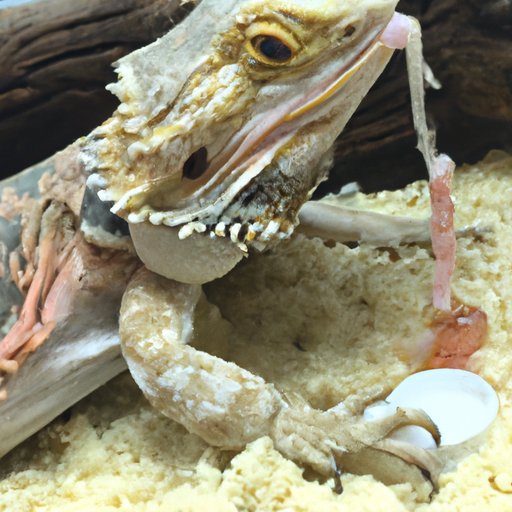
Bearded dragons are one of the most popular reptile pets available today. They are small, friendly, and easy to care for. One of the most important aspects of properly caring for a bearded dragon is providing them with a healthy and balanced diet. This can include a variety of different foods, including insects, vegetables, and fruits. But what about wax worms? Can bearded dragons eat wax worms safely?
What Are Wax Worms?
Wax worms are small, soft-bodied caterpillars that feed on bee’s wax. They are often used as food for reptiles, amphibians, birds, and fish. They are high in protein and fat, making them an attractive food source for many pet owners. Although they are not a natural part of a bearded dragon’s diet in the wild, they can be a nutritious addition to their diet in captivity.
Can Bearded Dragons Eat Wax Worms?
Yes, bearded dragons can safely eat wax worms. In fact, wax worms are a great source of protein and fat for bearded dragons. They can also provide additional variety to their diet, which can help keep them interested in their food. However, it is important to note that wax worms should not make up the majority of your bearded dragon’s diet. It should only be fed as an occasional treat.
The Benefits and Risks of Feeding Bearded Dragons Wax Worms
Nutritional Value
Wax worms are an excellent source of protein and fat for bearded dragons. According to a study published in the journal Zoo Biology, wax worms are composed of approximately 28% protein and 56% fat. This makes them a great dietary supplement for bearded dragons, who require high amounts of both proteins and fats for optimal health.
Potential Risks
Although wax worms are a nutritious treat for bearded dragons, there are some potential risks associated with feeding them. Wax worms are very high in fat and can cause obesity if fed in large quantities. Additionally, they may contain parasites or bacteria that can make your bearded dragon sick. It is important to only feed your bearded dragon wax worms from reputable sources and to practice good hygiene when handling them.

What You Need to Know Before Feeding Your Bearded Dragon Wax Worms
Age
It is important to understand that wax worms should only be fed to adult bearded dragons. Juveniles should not be fed wax worms due to their high fat content. Stick to more nutritious and lower fat options such as crickets or mealworms until your bearded dragon is at least 6 months old.
Frequency
Wax worms should only be given as an occasional treat, no more than once or twice per week. Overfeeding wax worms can lead to obesity and other health problems, so it is important to practice moderation when feeding them to your bearded dragon.
How Many Wax Worms Should You Feed Your Bearded Dragon?
Recommended Amount
When feeding wax worms to your bearded dragon, it is important to remember that they should only be given as an occasional treat. As a general rule, you should only offer your bearded dragon two or three wax worms at a time. This will ensure that they are getting the nutrition they need without overdoing it.
Moderation
In addition to limiting the number of wax worms you give your bearded dragon, it is important to monitor how often you are offering them. Wax worms should not be given more than once or twice per week. If you find that your bearded dragon is gaining too much weight, reduce the number of wax worms you are offering or stop feeding them altogether.

The Pros and Cons of Feeding Your Bearded Dragon Wax Worms
Pros
There are several benefits to feeding your bearded dragon wax worms. They are a great source of protein and fat, which are essential for optimal health. They can also provide variety to your bearded dragon’s diet, helping to keep them interested in their food. Wax worms are also relatively inexpensive and easy to find.
Cons
There are also some potential drawbacks to feeding your bearded dragon wax worms. They are high in fat, which can lead to obesity if not monitored carefully. They may also contain parasites or bacteria that can make your bearded dragon sick. It is important to only feed your bearded dragon wax worms from reputable sources and to practice good hygiene when handling them.

Nutritional Value of Wax Worms for Your Bearded Dragon
Protein Content
According to a study published in the journal Zoo Biology, wax worms are composed of approximately 28% protein. This makes them an excellent source of protein for bearded dragons, who require high amounts of protein for optimal health.
Fat Content
Wax worms are also high in fat, with approximately 56% of their composition being fat. While this can provide a boost of energy for your bearded dragon, it is important to remember that too much fat can lead to obesity. Therefore, it is important to monitor how many wax worms you are feeding your bearded dragon and to limit them to an occasional treat.
Other Nutrients
In addition to protein and fat, wax worms are also a good source of other essential nutrients. They are rich in vitamins A and B, as well as minerals such as calcium, magnesium, and phosphorus. These nutrients can help support your bearded dragon’s overall health and wellbeing.
Are Wax Worms Safe for Your Bearded Dragon?
Potential Health Concerns
Although wax worms can be a beneficial addition to your bearded dragon’s diet, there are some potential health concerns that you should be aware of. Wax worms may contain parasites or bacteria that can make your bearded dragon sick. Additionally, they are high in fat and can lead to obesity if fed in large quantities.
Prevention Strategies
If you choose to feed your bearded dragon wax worms, there are several prevention strategies that you should follow to ensure their safety. First, only purchase wax worms from reputable sources. Second, practice good hygiene when handling them. Finally, limit the number of wax worms you are feeding your bearded dragon and monitor their weight to ensure they are not becoming overweight.
Conclusion
Wax worms can be a nutritious and delicious treat for your bearded dragon. They are a great source of protein and fat, as well as other essential vitamins and minerals. However, it is important to remember that wax worms should only be fed as an occasional treat and in moderation. Additionally, it is important to only purchase wax worms from reputable sources and to practice good hygiene when handling them. Following these guidelines can help ensure your bearded dragon stays healthy and happy.
(Note: Is this article not meeting your expectations? Do you have knowledge or insights to share? Unlock new opportunities and expand your reach by joining our authors team. Click Registration to join us and share your expertise with our readers.)