

Introduction
Morocco is a beautiful North African country that has long been a popular destination for travelers from all over the world. With its stunning mountain ranges, lush valleys, sandy beaches, and bustling cities, Morocco has something to offer everyone. For American travelers in particular, Morocco provides an opportunity to experience a unique culture, rich history, and diverse landscape.
This article explores the ins and outs of traveling to Morocco as an American. From entry requirements and visa regulations to budgeting tips and cultural considerations, we provide information to help you make the most of your Moroccan adventure.
A Guide to Visiting Morocco: What You Need to Know Before You Go
Before you can enjoy the wonders of Morocco, there are some important things to consider. Here is a brief overview of the entry requirements and visa regulations for American citizens traveling to this North African country.
Entry Requirements
American citizens need a valid passport to enter Morocco. Passports must be valid for at least six months beyond the date of entry into Morocco. It is also recommended that travelers have at least two blank pages in their passports for entry and exit stamps.
Visa Requirements
American citizens do not need a visa to enter Morocco for stays up to 90 days. However, travelers must have proof of sufficient funds and a return ticket in order to enter the country. It is also important to note that travelers may be required to show proof of medical insurance coverage during their stay in Morocco.
Health and Safety Considerations
It is important to take precautions when visiting any foreign country. The Centers for Disease Control and Prevention (CDC) recommends that all travelers to Morocco get vaccinated against hepatitis A and B, as well as typhoid fever. Additionally, it is important to practice safe food and water hygiene, wear insect repellent to avoid mosquito bites, and use sunscreen to protect against sunburn.
Exploring the Wonders of Morocco: An American’s Guide to Traveling in this North African Country
Once you have taken care of the necessary paperwork and preparations, it’s time to start exploring! Here is a quick guide to some of the best ways to get around, where to stay, and what to see in Morocco.
Getting Around
Morocco has a reliable and inexpensive public transportation system. Trains are a great option for travel between major cities, while buses are a good choice for shorter trips. Taxis are also widely available and can be booked in advance. For those who prefer to drive themselves, car rental services are available.
Accommodation Options
Accommodation options in Morocco range from luxury hotels to budget-friendly hostels. Many cities offer traditional riads, which are small guesthouses located within the city walls. Airbnb is also a popular option for travelers looking for a more authentic experience.
Popular Attractions
There is no shortage of things to see and do in Morocco. Popular attractions include the ancient city of Marrakech, the medieval fortress of Ait Ben Haddou, the pink-hued city of Chefchaouen, and the Sahara Desert. Other highlights include camel rides, souks (open-air markets), and the chance to explore the country’s many stunning natural landscapes.
How to Prepare for an American Trip to Morocco
Preparing for a trip to Morocco can seem overwhelming, but with a little planning and research, it doesn’t have to be. Here are a few tips to help you get ready for your journey.
Budgeting
Morocco is generally a budget-friendly destination. Accommodations, transportation, and meals are relatively inexpensive, though prices can vary depending on the season. It is recommended that travelers set aside a daily budget for activities such as sightseeing, shopping, and dining out.
What to Pack
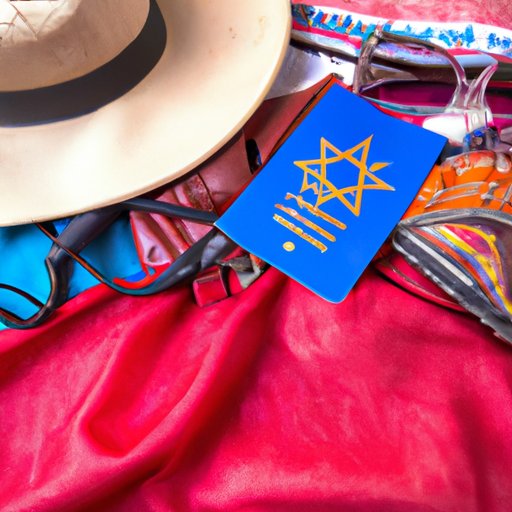
When packing for Morocco, it is important to bring items that are both practical and respectful of the country’s culture. Comfortable shoes and loose-fitting clothing are essential, as is a scarf or shawl for women to cover their hair when visiting mosques. Sun protection is also important, as temperatures can become quite hot during the summer months.
Cultural Considerations
Morocco is a Muslim country, and it is important to be mindful of cultural norms and customs. Greetings are typically warm and friendly, but it is important to remember that physical contact between members of the opposite sex is generally not acceptable. Additionally, it is best to dress modestly and refrain from public displays of affection.
Discover the Delights of Morocco: A Guide to the Cultural and Natural Experiences of This Fascinating Country
From its vibrant cities to its stunning landscapes, Morocco is full of cultural and natural delights. Here is a quick look at some of the unique experiences awaiting travelers in this fascinating country.
Unique Cuisine
Moroccan cuisine is a delicious blend of flavors, spices, and textures. Traditional dishes include couscous, tajine (stew cooked in a clay pot), pastilla (savory pastry filled with meat and nuts), and harira (a hearty soup). Sweets such as baklava and sfinge (doughnuts) are also popular.
Traditional Arts and Crafts
Morocco is home to a rich tradition of arts and crafts. Tourists can find hand-crafted pottery, textiles, jewelry, carpets, and other items in the country’s many souks (markets). Leather goods, including shoes and bags, are also popular souvenirs.
Natural Beauty and Wildlife
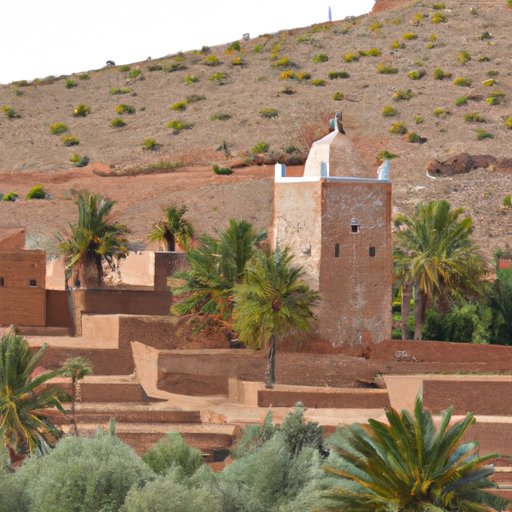
Morocco is known for its breathtaking landscapes and unique wildlife. Visitors can explore the country’s rugged coastlines, snow-capped mountains, and vast deserts. Wildlife lovers will be delighted by the opportunity to spot wild camels, Barbary apes, and a variety of birds and reptiles.
The Pros and Cons of Traveling to Morocco as an American
As with any trip, there are both pros and cons to traveling to Morocco as an American. Here is a quick look at some of the benefits and drawbacks of visiting this North African country.
Pros
One of the biggest advantages of traveling to Morocco as an American is the ease of access. With no visa requirement and affordable flights from the U.S., it’s easy to get to this North African country. Additionally, the exchange rate is favorable for Americans, making it possible to stretch your dollar further.
Cons
One potential drawback of traveling to Morocco as an American is the language barrier. While English is widely spoken in the larger cities, it is not as common in rural areas. Additionally, the country can be quite hot during the summer months, so visitors should plan accordingly.
Conclusion
Morocco is a wonderful destination for American travelers looking for an exotic and culturally rich experience. From the entry requirements and visa regulations to budgeting tips and cultural considerations, this article provides a comprehensive guide to planning a successful trip to this North African country. So pack your bags, brush up on your Arabic, and get ready to explore the wonders of Morocco!
Summary of Information
This article provides an overview of Morocco and a guide for Americans looking to explore this North African country. It covers entry requirements, visa requirements, health and safety considerations, budgeting, packing, cultural experiences, and more.
Final Thoughts
Morocco is a truly unique destination and an amazing place to visit. With its stunning mountain ranges, lush valleys, sandy beaches, and bustling cities, Morocco has something to offer everyone.
(Note: Is this article not meeting your expectations? Do you have knowledge or insights to share? Unlock new opportunities and expand your reach by joining our authors team. Click Registration to join us and share your expertise with our readers.)