
Introduction
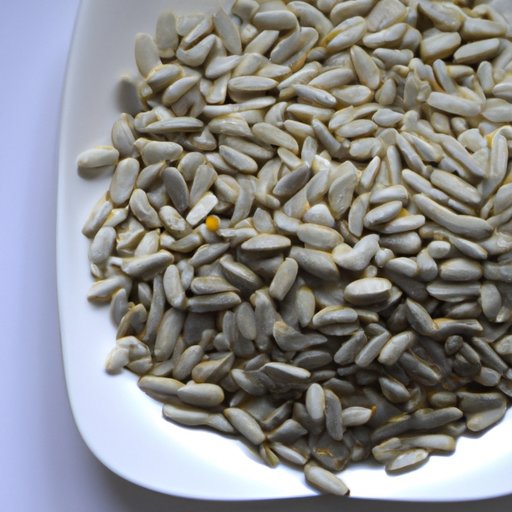
Sunflower seeds are a popular snack that is often found in trail mixes and granola bars. They are small, nutrient-dense seeds that are packed with vitamins and minerals. Sunflower seeds are also high in essential fatty acids, fiber, and plant-based protein. However, they can also be high in calories and contain phytic acid, which can inhibit the absorption of certain vitamins and minerals. In this article, we will explore the nutritional benefits and risks associated with eating sunflower seeds and provide tips on how to incorporate them into a healthy diet.
Nutritional Benefits of Sunflower Seeds
Sunflower seeds are an excellent source of vitamins and minerals. They are a good source of vitamin E, thiamin, folate, magnesium, phosphorus, and manganese. They are also a good source of zinc, selenium, copper, and iron. Furthermore, sunflower seeds are high in essential fatty acids such as linoleic acid and oleic acid. These fatty acids are important for maintaining heart health and reducing inflammation.
Sunflower seeds are also a good source of dietary fiber. Fiber helps to keep you feeling full for longer and can help regulate blood sugar levels. Additionally, sunflower seeds are a good source of plant-based protein. One ounce of sunflower seeds contains 6 grams of protein, making them a great option for vegans and vegetarians who need to get their protein from plant-based sources.
The Health Risks of Eating Too Many Sunflower Seeds
Although sunflower seeds are a nutritious snack, there are some potential health risks associated with eating too many. For example, sunflower seeds are high in calories. One ounce of sunflower seeds contains around 170 calories, so it is important to monitor portion sizes when consuming them. Sunflower seeds also contain phytic acid, which is an anti-nutrient that can inhibit the absorption of certain vitamins and minerals. Lastly, sunflower seeds may contain aflatoxins, which are toxic compounds produced by certain kinds of fungi that can lead to serious health problems if consumed in large amounts.

How to Incorporate Sunflower Seeds Into a Healthy Diet
Sunflower seeds can be incorporated into a healthy diet in a variety of ways. They make a great snack or topping for salads, soups, and stir-fries. They can also be used in baking and granola bars. Sunflower seeds can also be added to smoothies for an extra boost of protein and fiber. When adding sunflower seeds to recipes, it is important to remember to watch portion sizes to avoid going over your daily calorie limit.

Sunflower Seeds vs Other Popular Nuts and Seeds
When comparing sunflower seeds to other popular nuts and seeds, it’s important to look at the nutritional content. Sunflower seeds are higher in calories than other nuts and seeds, but they are also higher in essential fatty acids, fiber, and plant-based protein. Sunflower seeds are also generally cheaper than other nuts and seeds, making them a great option for those on a budget.
Sunflower Seed Recipes for a Healthy Snack
There are plenty of delicious recipes featuring sunflower seeds that make for a healthy snack. Trail mix is a classic snack that combines sunflower seeds with other nuts, dried fruit, and dark chocolate chips. Roasted sunflower seed butter is a great alternative to peanut butter and can be spread on toast or used as a dip for fruits and vegetables. Sunflower seed pesto is another tasty option that can be served with pasta or used as a sandwich spread.
Sunflower Seeds as a Source of Plant-Based Protein
Sunflower seeds are a great source of plant-based protein. One ounce of sunflower seeds contains 6 grams of protein, making them a great choice for vegans and vegetarians. Sunflower seeds can also be used to replace animal proteins in recipes like burgers and meatballs. Other plant-based protein sources include beans, lentils, tofu, and tempeh.

How Sunflower Seeds Help with Weight Management
Sunflower seeds can also be beneficial for weight management. They are low in calories, making them a great snack option for those trying to lose weight. Sunflower seeds are also high in fiber, which can help keep you feeling full for longer and regulate blood sugar levels. Finally, sunflower seeds are a good source of healthy fats, which can help reduce cholesterol levels and improve heart health.
Conclusion
Sunflower seeds are a nutrient-dense food that can provide numerous health benefits. They are high in vitamins and minerals, essential fatty acids, fiber, and plant-based protein. However, they can also be high in calories and contain phytic acid, which can inhibit the absorption of certain vitamins and minerals. To get the most out of sunflower seeds, it is important to incorporate them into a healthy diet in moderation. They make a great snack or topping and can be used in a variety of recipes. Sunflower seeds are also an excellent source of plant-based protein and can help with weight management. By following these tips, you can enjoy sunflower seeds as part of a healthy and balanced diet.
(Note: Is this article not meeting your expectations? Do you have knowledge or insights to share? Unlock new opportunities and expand your reach by joining our authors team. Click Registration to join us and share your expertise with our readers.)