
Introduction
Stir-fries are one of the most popular dishes around the world. They’re quick, easy to make, and often packed with a variety of nutritious ingredients. But are stir fries actually healthy? In this article, we’ll look at the nutritional benefits of stir fries, what makes them a healthy choice, and how to maximize the health benefits when making them at home.

Overview of Nutritional Benefits of Stir Fries
Stir fries are typically made with a variety of vegetables, protein sources, spices and herbs, and sauces or seasonings. All of these ingredients can provide different types of nutrients. Let’s take a closer look at some of the macronutrients and micronutrients found in stir fries.
Macronutrients
Stir fries are high in macronutrients such as carbohydrates, proteins, and fats. The exact amount of each will depend on the ingredients used, but generally speaking, stir fries can be a good source of energy-providing macronutrients.
Micronutrients
Stir fries are also a good source of micronutrients such as vitamins, minerals, and antioxidants. Depending on the ingredients used, stir fries can provide a range of vitamins and minerals including vitamin A, vitamin C, calcium, iron, and magnesium.
What Makes Stir Fries a Healthy Choice?
There are several factors that make stir fries a healthy choice. First, stir fries often include a variety of vegetables, which provide essential vitamins and minerals as well as fiber. Second, stir fries can include low-fat protein sources such as tofu, tempeh, or lean meats. Third, stir fries are typically seasoned with low-calorie sauces and seasonings, which add flavor without adding too many calories.

How to Maximize the Health Benefits of Stir Fries
When making stir fries at home, there are several steps you can take to maximize the health benefits. Here are some tips to keep in mind:
Choose Leaner Cuts of Meat
If you’re using meat in your stir fry, opt for leaner cuts such as chicken breast, pork tenderloin, or extra-lean ground beef. These cuts have less fat than other cuts, which can help keep the calorie count low.
Use Lower-sodium Sauces and Seasonings
Many sauces and seasonings used in stir fries are high in sodium. To reduce the sodium content, opt for lower-sodium versions or use fresh herbs and spices instead of pre-made sauces and seasonings.
Avoid Added Sugars
Some sauces and seasonings contain added sugars, which can increase the calorie count of your stir fry. Look for sauces and seasonings that don’t contain added sugars or opt for fresh herbs and spices instead.
Add More Veggies
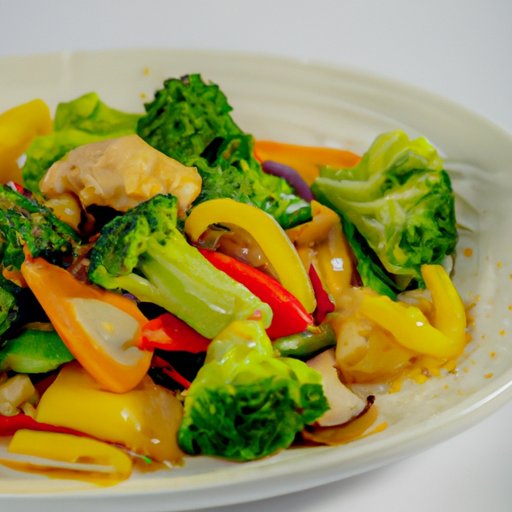
Adding more veggies to your stir fry is an easy way to boost the nutritional value. Try adding a variety of colorful vegetables such as bell peppers, carrots, broccoli, and mushrooms to your stir fry for an extra dose of vitamins and minerals.

The Pros and Cons of Making a Stir Fry
Stir fries can be a healthy and nutritious option, but there are also some potential downsides to consider. Let’s take a look at the pros and cons of making a stir fry.
Pros
- Nutritious. Stir fries can be a nutritious option, providing a variety of vitamins, minerals, and other nutrients.
- Quick and Easy to Make. Stir fries are quick and easy to make, making them a great option for busy weeknights.
- Versatile. Stir fries are extremely versatile, so you can easily customize them to fit your tastes and preferences.
Cons
- High in Sodium. Many sauces and seasonings used in stir fries are high in sodium, so it’s important to choose lower-sodium options when possible.
- Fat Content Can Vary Widely. The fat content of stir fries can vary widely depending on the ingredients used. Opting for leaner cuts of meat and avoiding added oils can help keep the fat content in check.
Common Ingredients in Stir Fries and Their Nutritional Impact
Let’s take a look at some of the common ingredients found in stir fries and their nutritional impact.
Vegetables
Vegetables are the foundation of any stir fry. Common vegetables used in stir fries include bell peppers, carrots, onions, mushrooms, and snap peas. All of these vegetables are low in calories and provide essential vitamins and minerals. They’re also a good source of dietary fiber, which can help promote digestive health.
Protein Sources
Stir fries can include a variety of protein sources such as tofu, tempeh, eggs, and lean cuts of meat. Protein is an important nutrient for growth and development, and it can also help keep you feeling full and satisfied.
Spices and Herbs
Spices and herbs are a great way to add flavor to stir fries without adding too many calories. Common spices and herbs used in stir fries include garlic, ginger, chili pepper, turmeric, cilantro, and basil. Many of these spices and herbs also have health-promoting properties, such as anti-inflammatory and antioxidant effects.
Sauces and Seasonings
Sauces and seasonings are often used to season stir fries. Common sauces and seasonings include soy sauce, fish sauce, oyster sauce, sesame oil, and hoisin sauce. While these ingredients can add flavor to stir fries, they can also be high in sodium, so it’s best to opt for lower-sodium versions when possible.
Tips for Making Healthy Stir Fries at Home
Making stir fries at home is a great way to control the ingredients and ensure that your stir fry is as healthy as possible. Here are some tips for making healthy stir fries at home:
- Choose Leaner Cuts of Meat. Opt for leaner cuts of meat such as chicken breast, pork tenderloin, or extra-lean ground beef.
- Opt for Low-sodium Sauces and Seasonings. Look for lower-sodium versions of sauces and seasonings or opt for fresh herbs and spices instead.
- Load Up On Veggies. Add plenty of fresh vegetables to your stir fry for an extra dose of vitamins, minerals, and dietary fiber.
- Experiment with Different Spices and Herbs. Try out different spices and herbs to add flavor to your stir fry without adding too many calories.
- Don’t Overcook. Overcooking can cause some of the nutrients in the vegetables to be lost, so cook your stir fry just until the vegetables are tender.
Conclusion
Stir fries can be a healthy and nutritious option, but it’s important to choose leaner cuts of meat, opt for lower-sodium sauces and seasonings, and load up on veggies to maximize the health benefits. With the right ingredients, stir fries can be a delicious and nutritious way to enjoy a meal.
(Note: Is this article not meeting your expectations? Do you have knowledge or insights to share? Unlock new opportunities and expand your reach by joining our authors team. Click Registration to join us and share your expertise with our readers.)