

Introduction
Steak is a popular type of meat that is enjoyed by many people around the world. But is steak really a healthy food choice? In this article, we explore the nutritional benefits and risks associated with eating steak, examine different types of steaks and their nutritional value, investigate how cooking methods can impact the healthfulness of steak, and compare the nutritional content of steak to other meats.
Evaluating the Nutritional Benefits of Steak
When it comes to the nutritional benefits of steak, one of the main advantages is its high protein content. According to the USDA, a 3-ounce serving of cooked beef steak contains approximately 22.5 grams of protein, which is about half of the recommended daily intake for an adult.
In addition to protein, steak also provides a good source of several vitamins and minerals. For instance, a 3-ounce serving of cooked beef steak contains about 25% of the daily value for iron, 15% of the daily value for zinc, and 10% of the daily value for vitamin B12. It also contains small amounts of other vitamins and minerals such as calcium, magnesium, phosphorus, potassium, and selenium.
Finally, steak is also a good source of healthy fats. A 3-ounce serving of cooked beef steak contains approximately 5.3 grams of total fat, with 2.6 grams of saturated fat and 1.6 grams of monounsaturated fat. Polyunsaturated fat accounts for the remaining 1.1 grams.

Exploring the Health Risks Associated with Eating Steak
Although steak does offer some nutritional benefits, there are also some potential health risks associated with eating it. One of the main concerns is the high levels of cholesterol found in steak. A 3-ounce serving of cooked beef steak contains approximately 72 milligrams of cholesterol, which is about a quarter of the recommended daily intake for an adult.
Another potential risk is contamination from antibiotics and hormones used in the production of steak. According to a study published in the journal Food Control, researchers found that antibiotic residues were present in nearly 20% of samples tested, while hormone residues were present in nearly 40% of samples tested.

Examining the Different Types of Steaks and Their Nutritional Value
When it comes to steak, there are a few different types available. The most common type is beef steak, which is usually cut from the rib, loin, or round sections of the cow. Beef steak is high in protein and iron, but it is also relatively high in saturated fat and cholesterol.
Pork steak is another popular type of steak. It is usually cut from the shoulder, loin, or rib sections of the pig. Pork steak is lower in fat and cholesterol than beef steak, but it is also lower in protein and iron. It does, however, provide a good source of B vitamins and zinc.
Lamb steak is a less common type of steak. It is usually cut from the shoulder, leg, or loin sections of the sheep. Lamb steak is higher in fat and cholesterol than both beef and pork steak, but it is also higher in protein, iron, and B vitamins.
Finally, turkey steak is a leaner option than the other types of steak. It is usually cut from the breast or thigh sections of the turkey. Turkey steak is lower in fat and cholesterol than beef, pork, and lamb steak, and it is also higher in protein and B vitamins.
Investigating How Cooking Methods Impact the Healthfulness of Steak
The way in which steak is cooked can also have an impact on its healthfulness. Grilling steak is often considered to be the healthiest cooking method since it involves cooking over direct heat without the addition of any oils or butter. Broiling is another healthy cooking method since it also uses direct heat and requires minimal oil or butter.
Sautéing is not typically considered to be a healthy cooking method for steak since it requires the addition of oil or butter to the pan. This can increase the saturated fat and calorie content of the steak, making it less healthy.
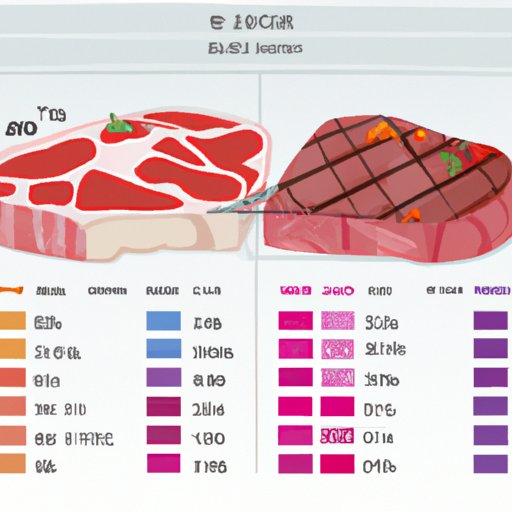
Comparing the Nutritional Content of Steak to Other Meats
It is also important to compare the nutritional content of steak to other types of meat. Chicken, for example, is usually lower in fat and cholesterol than steak and also provides a good source of protein and B vitamins. Fish is also a healthier option than steak since it is usually lower in fat and calories and higher in omega-3 fatty acids.
In addition to animal proteins, plant-based proteins such as beans, lentils, and tofu are also healthier alternatives to steak. These plant-based proteins are lower in fat and cholesterol and higher in fiber, vitamins, and minerals.
Conclusion
In conclusion, steak can be a nutritious part of a well-balanced diet. However, it is important to consider the potential health risks associated with eating steak, such as its high cholesterol content and potential contamination from antibiotics and hormones. Additionally, different types of steak offer different levels of nutrition, so it is important to be aware of the nutritional values of each type. Finally, it is important to be aware of how cooking methods can impact the healthfulness of steak. When eaten in moderation and prepared in a healthy way, steak can be a nutritious part of a balanced diet.
(Note: Is this article not meeting your expectations? Do you have knowledge or insights to share? Unlock new opportunities and expand your reach by joining our authors team. Click Registration to join us and share your expertise with our readers.)