
Introduction
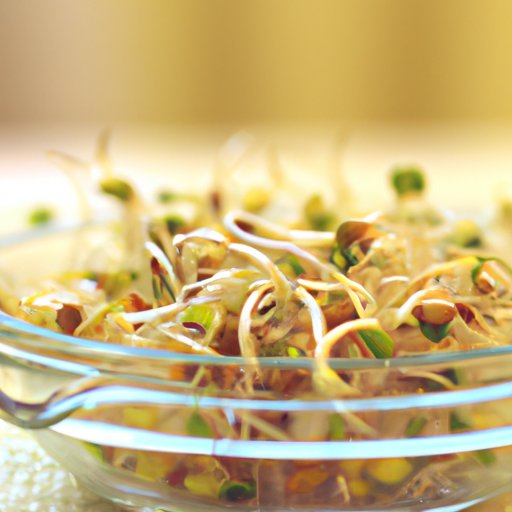
Sprouts are small seedlings that are harvested shortly after germination. They are packed with vitamins, minerals, macronutrients, and antioxidants, making them a highly nutritious food option. In this article, we’ll explore the nutritional benefits of sprouts and compare raw vs. cooked sprouts. We’ll also discuss potential health risks associated with eating sprouts, offer some delicious recipes for incorporating sprouts into your diet, and provide tips for growing your own sprouts at home.
Nutritional Benefits of Sprouts
Sprouts are a great source of nutrition and can be a healthy addition to any diet. Here’s a closer look at some of the key nutrients found in sprouts:
Vitamins and Minerals
Sprouts are loaded with essential vitamins and minerals that support general health and wellbeing. For example, broccoli sprouts contain high levels of vitamin C, which helps with immune system function and collagen production. Alfalfa sprouts are an excellent source of vitamin K, which is important for bone health. And mung bean sprouts are a good source of iron, zinc, magnesium, and potassium.
Macronutrients
Sprouts are low in calories, but they are a good source of macronutrients. Many types of sprouts are high in protein, making them a great plant-based alternative to meat. They are also a good source of dietary fiber, which aids in digestion and helps to keep you feeling full for longer periods of time.
Antioxidants
Sprouts are rich in antioxidants, which help to protect your cells from free radical damage. Broccoli sprouts are especially high in antioxidants like sulforaphane, which has anti-inflammatory and anti-cancer properties. Other types of sprouts, such as radish, clover, and alfalfa, are also high in antioxidants.
A Comparison of Raw vs. Cooked Sprouts
Sprouts can be eaten raw or cooked. While both options offer nutritional benefits, there are some key differences between the two. Here’s a closer look at how raw and cooked sprouts compare:
Nutrient Content
Cooking sprouts can reduce their nutrient content. Heat can break down some of the vitamins and minerals, resulting in a lower nutritional value. However, it can also make certain nutrients more readily available for absorption. For example, cooking mung bean sprouts can increase their bioavailability of iron and zinc.
Texture
Raw sprouts tend to have a crunchy texture, while cooked sprouts are softer and easier to chew. This can make cooked sprouts more enjoyable for some people. For those who prefer a crunchier texture, lightly steaming or stir-frying the sprouts can help to retain some of their crunchiness.
Flavor
Cooking sprouts can bring out their flavor and make them taste sweeter. Raw sprouts can have a bitter or grassy taste, while cooked sprouts tend to be milder and more palatable. If you don’t like the taste of raw sprouts, try cooking them to see if that makes them more enjoyable.

Potential Health Risks of Eating Sprouts
While sprouts are generally considered healthy, there are some potential health risks associated with eating them. Here’s what you need to know:
Contamination with Bacteria or Parasites
Sprouts are grown in warm, damp conditions, which can make them vulnerable to contamination with bacteria and parasites. To reduce the risk of foodborne illness, it’s important to buy sprouts from a reputable source and store them properly. It’s also a good idea to cook sprouts before eating them.
Allergic Reactions
Some people may be allergic to certain types of sprouts. If you have a history of allergies, it’s best to talk to your doctor before adding sprouts to your diet. It’s also important to be aware of the symptoms of an allergic reaction, which can include itching, hives, and difficulty breathing.

Easy Recipes for Enjoying Sprouts
Sprouts are incredibly versatile and can be used in a variety of recipes. Here are some ideas for incorporating sprouts into your diet:
Salads
Sprouts make a great addition to salads. Try adding some alfalfa or radish sprouts to your favorite salad mix. You can also make a tasty side salad using broccoli sprouts, feta cheese, and sunflower seeds.
Sandwiches
Sprouts can add a crunchy texture and nutty flavor to sandwiches. Try adding some mung bean sprouts to your next veggie sandwich or wrap. For a twist on the classic BLT, use alfalfa sprouts instead of lettuce.
Smoothies
If you’re looking for a way to get more sprouts into your diet, try adding some to your morning smoothie. Broccoli sprouts are especially high in antioxidants, so they make a great addition to any smoothie. Just add a handful of sprouts to your favorite smoothie recipe for an extra nutritional boost.

How to Grow Your Own Sprouts
Growing your own sprouts is a fun and rewarding experience. All you need is some sprouting seeds and a container with a lid. Here’s a quick guide to getting started:
Choose a Sprouting Seed
There are many different types of sprouting seeds available, including alfalfa, broccoli, mung beans, radish, and clover. Choose one that appeals to you and fits your needs. Some seeds are better suited for salads, while others are better for sandwiches or smoothies.
Prepare the Sprouting Container
Once you’ve chosen a seed, find a suitable container with a lid. A Mason jar works well for small batches, or you can use a larger container if you plan on growing a larger quantity of sprouts. Make sure the container is clean and dry before you begin.
Soak the Seeds
Next, soak the seeds in lukewarm water for 8-12 hours. This will kickstart the germination process and help the seeds to sprout faster. When you’re finished soaking the seeds, drain off the water and rinse them thoroughly.
Rinse and Drain the Seeds
After you’ve soaked and rinsed the seeds, place them in the container and cover with a damp cloth. The cloth will help to keep the seeds moist, which is essential for successful sprouting. Rinse and drain the seeds twice a day until they are ready to harvest.
Harvest the Sprouts
When the sprouts reach the desired size, they are ready to harvest. Simply remove the sprouts from the container, rinse them thoroughly, and enjoy!
Conclusion
Sprouts are a great source of nutrition and can be a healthy addition to any diet. They are packed with vitamins, minerals, macronutrients, and antioxidants, making them a highly nutritious food option. There are some potential health risks associated with eating sprouts, such as contamination with bacteria or parasites, and allergic reactions. To reduce the risk of foodborne illness, it’s important to buy sprouts from a reputable source and store them properly. You can also grow your own sprouts at home for freshness and convenience. Sprouts can be enjoyed raw or cooked, and they can be used in a variety of recipes, such as salads, sandwiches, and smoothies. With a little bit of knowledge and creativity, you can easily incorporate sprouts into your diet and reap the nutritional benefits they have to offer.
(Note: Is this article not meeting your expectations? Do you have knowledge or insights to share? Unlock new opportunities and expand your reach by joining our authors team. Click Registration to join us and share your expertise with our readers.)