
Introduction
Seafood boils are a delicious way to enjoy fresh seafood with friends and family. Popular in coastal regions across the United States, these flavorful dishes typically involve a combination of seafood, vegetables, herbs, and spices cooked in a flavorful broth. While they can be enjoyed as part of a special occasion meal or as a comforting weeknight dinner, it’s important to consider their nutritional value and potential health risks before making them a regular part of your diet. In this article, we’ll explore the nutritional benefits and risks associated with eating seafood boils and provide tips for incorporating them into a healthy diet.
Breaking Down the Nutritional Value of Seafood Boils
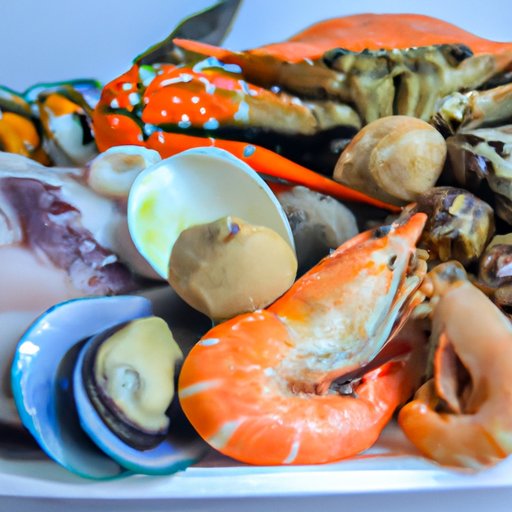
A seafood boil is typically composed of a variety of seafood, vegetables, herbs, and spices cooked in a flavorful broth. The types of seafood included in a boil vary depending on personal preference, but common ingredients include shrimp, clams, mussels, crab, lobster, and crawfish. Each type of seafood offers its own unique set of nutritional benefits, including protein, vitamins, minerals, and healthy fats.
Shrimp, for example, is an excellent source of lean protein, providing about 20 grams per 3-ounce serving. It’s also a good source of vitamins such as B12 and selenium, as well as essential minerals like zinc and phosphorus. Additionally, shrimp is low in calories and contains zero carbohydrates. Clams, mussels, and other shellfish are packed with essential nutrients such as vitamin B12, iron, magnesium, and zinc. They are also a good source of omega-3 fatty acids, which help reduce inflammation and support heart health.
In addition to seafood, a seafood boil often includes vegetables, herbs, and spices that add flavor and nutrition. Common additions include potatoes, corn, onions, garlic, parsley, and cayenne pepper. These ingredients are rich in vitamins, minerals, and antioxidants that can help protect against disease. Potatoes, for instance, are high in potassium and contain dietary fiber, while garlic is a powerful antioxidant with anti-inflammatory properties. Herbs and spices such as parsley and cayenne pepper can also provide a boost of flavor without adding extra calories.

Health Benefits of Eating Seafood Boils
Eating seafood has numerous health benefits, including improved heart health, lower risk of cancer and stroke, and better cognitive function. In particular, seafood is an excellent source of lean protein, which helps build and maintain muscle mass. Additionally, seafood is rich in essential vitamins and minerals, such as vitamins A and D, selenium, and zinc, which play an important role in maintaining overall health. Seafood is also a great source of healthy fats, including omega-3 fatty acids, which have been shown to reduce inflammation and improve heart health.
As with any meal, the health benefits of a seafood boil depend on the ingredients used. Choosing high-quality, fresh seafood and supplementing it with nutrient-dense vegetables and herbs can maximize the nutritional value of the dish and provide a wide range of health benefits. Additionally, opting for healthier cooking methods, such as boiling in water or light oil, can help minimize the amount of fat and calories in the dish.

Examining the Potential Risks Associated with Seafood Boils
While seafood is generally considered to be a healthy food, there are some potential risks associated with eating it. Most notably, seafood can contain allergens, such as shellfish and fish, as well as contaminants, such as mercury and polychlorinated biphenyls (PCBs). Additionally, certain cooking methods, such as deep-frying, can increase the amount of fat and calories in the dish, making it less healthy.
When preparing a seafood boil, it’s important to choose high-quality seafood that is fresh and free of contaminants. Additionally, opt for cooking methods that minimize fat and calories, such as boiling in water or light oil. If possible, avoid deep-frying, as this can add unhealthy fats and calories to the dish.
Analyzing the Components of a Seafood Boil and Their Impact on Health
In addition to the seafood and vegetables, a seafood boil typically includes a variety of fats and oils, as well as sauces, condiments, and herbs and spices. These components can impact the overall healthfulness of the dish, so it’s important to choose wisely.
Fats and oils are essential components of a seafood boil, as they help to enhance the flavor of the dish and provide essential nutrients. Choose fats and oils that are low in saturated fat, such as olive oil or vegetable oil, to minimize the amount of unhealthy fat in the dish. Additionally, opt for low-sodium sauces and condiments, such as lemon juice or low-sodium soy sauce, to keep sodium levels in check.
Herbs and spices are a great way to add flavor to a seafood boil without adding extra calories or fat. Parsley, dill, thyme, and garlic are all excellent choices for seasoning seafood. Additionally, cayenne pepper and other hot peppers can add a kick of flavor without adding too many calories. Finally, don’t forget to add vegetables to your seafood boil for added nutrition. Corn, potatoes, and onions are all popular additions.
Investigating the Differences Between Healthy and Unhealthy Seafood Boils
When it comes to creating a healthy seafood boil, the key is to choose high-quality ingredients and use healthier cooking methods. Here are a few tips to help you create a healthier seafood boil:
- Choose high-quality, fresh seafood to ensure that it is free of allergens and contaminants.
- Select appropriate fats and oils, such as olive oil or vegetable oil, to minimize unhealthy fat.
- Opt for low-calorie sauces and condiments, such as lemon juice or low-sodium soy sauce, to limit sodium intake.
- Add plenty of vegetables and herbs for added nutrition and flavor.
- Avoid deep-frying, as this can add unhealthy fats and calories to the dish.

Examining the Role of Seafood Boils in a Balanced Diet
Seafood boils can be a delicious and nutritious addition to a balanced diet. However, it’s important to remember that variety is key when it comes to maintaining a healthy diet. Eating a variety of seafood dishes, such as grilled, baked, poached, steamed, sautéed, and raw or fermented seafood, can help ensure that you’re getting a wide range of nutrients. Additionally, it’s important to find balance between seafood boils and other meals, ensuring that you’re not overindulging in one type of dish.

Comparing the Health Benefits of Seafood Boils to Other Forms of Seafood Preparation
When it comes to choosing the healthiest way to prepare seafood, it’s important to consider the nutritional value and potential risks associated with each method. Generally speaking, baking or grilling are among the healthiest ways to cook seafood, as they minimize fat and calories. Poaching, steaming, and sautéing are also good options, as they require minimal fat and can help preserve the flavor and nutrients of the seafood. Finally, raw or fermented seafood can provide a wealth of vitamins and minerals, although it may be higher in contaminants.
Conclusion
Seafood boils can be an enjoyable and nutritious way to enjoy fresh seafood. When prepared properly, they can provide a wide range of vitamins, minerals, and healthy fats that can help support overall health. However, it’s important to choose high-quality ingredients and opt for healthier cooking methods, such as boiling in water or light oil, to minimize potential risks. Additionally, it’s important to find balance between seafood boils and other meals to ensure that you’re getting a variety of nutrients from different sources.
(Note: Is this article not meeting your expectations? Do you have knowledge or insights to share? Unlock new opportunities and expand your reach by joining our authors team. Click Registration to join us and share your expertise with our readers.)