
Introduction
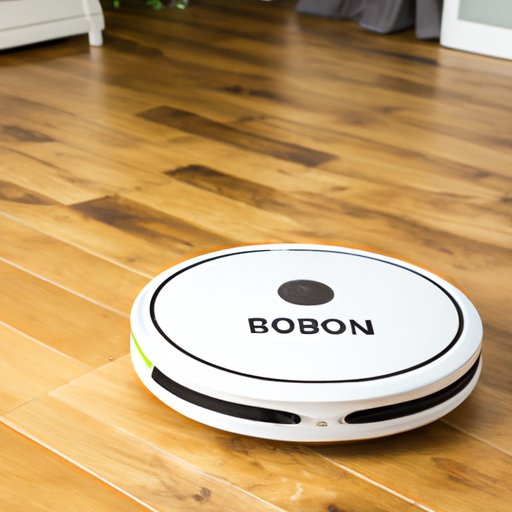
A robot vacuum is a type of automated cleaning device that uses sensors and programming to navigate and clean a space without human intervention. It can be used to clean carpets, tiles, and hard surfaces such as hardwood floors. In this article, we will explore the pros and cons of using a robot vacuum on hardwood floors, as well as provide a comprehensive guide to choosing the best model and how to care for your hardwood floor with a robot vacuum.

Exploring the Pros and Cons of Robot Vacuums for Hardwood Floors
Robot vacuums are becoming increasingly popular among homeowners due to their convenience and ability to clean hard-to-reach areas. While robot vacuums may not be able to replace manual vacuuming entirely, they can be an effective supplement for keeping hardwood floors clean and free of dust, dirt, and debris.
Advantages
Robot vacuums offer several advantages when it comes to cleaning hardwood floors. According to Consumer Reports, one of the main benefits of using a robot vacuum is that it can reach areas that are difficult to access with a traditional vacuum cleaner, such as underneath furniture and around corners. Additionally, robot vacuums are designed to be much quieter than traditional vacuums, which can be beneficial if you have young children or pets in the home.
Robot vacuums are also highly efficient, as they can be programmed to run on a schedule and can be left to clean while you do other tasks. This means that you don’t have to worry about manually vacuuming your hardwood floors every day. Furthermore, robot vacuums are equipped with advanced sensors that allow them to detect dirt and debris, so they can focus on the areas that need the most attention.
Disadvantages
Despite the advantages, there are some drawbacks to using a robot vacuum on hardwood floors. First, robot vacuums can be expensive, especially the higher-end models. Additionally, they require regular maintenance and can be prone to malfunctions. Furthermore, some models are not suitable for deep cleaning, so they may not be able to pick up all the dirt and debris on your hardwood floor.
Finally, robot vacuums can be easily confused by obstacles such as cords and furniture, which can cause them to become stuck or lost. As a result, you may need to manually move objects to avoid these issues.

A Comprehensive Guide to Choosing the Best Robot Vacuum for Hardwood Floors
When selecting a robot vacuum for hardwood floors, there are several factors to consider. First, you should think about the size and shape of the room that needs to be cleaned, as well as the type of debris that needs to be removed. Some models are better suited for larger rooms, while others are more suitable for smaller spaces.
You should also consider the features of the robot vacuum, such as its suction power, battery life, and navigation system. Additionally, you should look at the price and warranty of the model, as this can help ensure that you get the best value for your money.
Considerations when selecting a robot vacuum
When selecting a robot vacuum for hardwood floors, there are several considerations to keep in mind. For example, you should look for a model that has sensors to detect dirt and debris, as well as a navigation system that allows it to find its way around obstacles. Additionally, you should make sure that the model has enough suction power to effectively clean your hardwood floors.
You should also consider the battery life of the model, as well as the noise level. Finally, you should look for a model that has a warranty, as this can help protect you from any malfunctions or defects.
Factors to consider when choosing the best model
When choosing the best robot vacuum for hardwood floors, there are several factors to consider. First, you should think about the size and shape of the room that needs to be cleaned, as well as the type of debris that needs to be removed. Some models are better suited for larger rooms, while others are more suitable for smaller spaces.
You should also consider the features of the model, such as its suction power, battery life, and navigation system. Additionally, you should look at the price and warranty of the model, as this can help ensure that you get the best value for your money.
Finally, you should read reviews of the model to get an idea of how well it performs in real-world situations. This can help you make an informed decision about which model is the best fit for your needs.
How to Care for Your Hardwood Floor with a Robot Vacuum
Caring for your hardwood floor with a robot vacuum requires regular maintenance and additional cleaning tips. To maintain your robot vacuum, it’s important to keep the filter and brushes clean, as this can help prevent dust and dirt from building up and clogging the machine. Additionally, you should empty the dustbin regularly to prevent it from becoming too full.
You should also inspect the robot vacuum periodically for any signs of wear and tear, such as frayed wires or cracked plastic. Additionally, you should make sure that the sensors are working properly, as this can help ensure that the robot vacuum navigates your space efficiently.
In terms of additional cleaning tips, you should avoid placing your robot vacuum near furniture or other obstacles, as this can cause it to become stuck or lost. Additionally, you should make sure that the area where the robot vacuum is operating is free of cords, as this can create a safety hazard.
The Benefits of Investing in a Robot Vacuum for Hardwood Floors
Investing in a robot vacuum for hardwood floors can provide several benefits. One of the main benefits is time savings, as the robot vacuum can clean your floors while you do other tasks. Additionally, robot vacuums can save you money in the long run, as they can reduce the amount of time and effort required to keep your hardwood floors clean.
Robot vacuums can also be helpful for people with limited mobility, as they can help reduce the amount of physical exertion required for cleaning. Additionally, robot vacuums provide a convenient way to clean hard-to-reach areas, such as underneath furniture, which can help keep your hardwood floors looking their best.
Is a Robot Vacuum the Right Cleaning Tool for Your Hardwood Floor?
Whether or not a robot vacuum is the right cleaning tool for your hardwood floor depends on several factors. First, you should assess your needs and evaluate the advantages and disadvantages of using a robot vacuum. If you have a large space or a lot of debris to clean, then a robot vacuum may be the best option.
On the other hand, if you have limited mobility or a small space, then a traditional vacuum cleaner may be a better choice. Additionally, if you have pets or children in the home, then you may want to opt for a quieter model that won’t disturb them.
Comparing Different Types of Robot Vacuums for Hardwood Floors
There are two main types of robot vacuums for hardwood floors: traditional models and advanced models. Traditional models are typically less expensive and easier to use, but they may not be able to handle larger spaces or more stubborn debris. Advanced models, on the other hand, are more expensive but can offer more features, such as longer battery life and stronger suction power.
Additionally, there are specialized robot vacuums for hardwood floors that are designed specifically for this type of surface. These models typically have softer brushes and gentler suction power to protect the finish of your hardwood floor.

Understanding the Advantages and Disadvantages of Robot Vacuums for Hardwood Floors
Using a robot vacuum on hardwood floors offers several advantages, such as being able to reach hard-to-access areas and being quieter than traditional vacuums. Additionally, robot vacuums are highly efficient and can be programmed to run on a schedule. However, there are some drawbacks to using a robot vacuum, such as the cost and potential malfunctions.
Ultimately, whether or not a robot vacuum is the right cleaning tool for your hardwood floor depends on your needs and budget. It’s important to consider the advantages and disadvantages before making a purchase.
Conclusion
Robot vacuums can be a great way to supplement manual vacuuming for hardwood floors. They can help you save time and money, as well as reach hard-to-access areas. When selecting a robot vacuum, it’s important to consider the size and shape of the room, the type of debris that needs to be removed, and the features of the model. Additionally, you should make sure to perform regular maintenance and follow additional cleaning tips to keep your hardwood floor looking its best.
(Note: Is this article not meeting your expectations? Do you have knowledge or insights to share? Unlock new opportunities and expand your reach by joining our authors team. Click Registration to join us and share your expertise with our readers.)