
Introduction
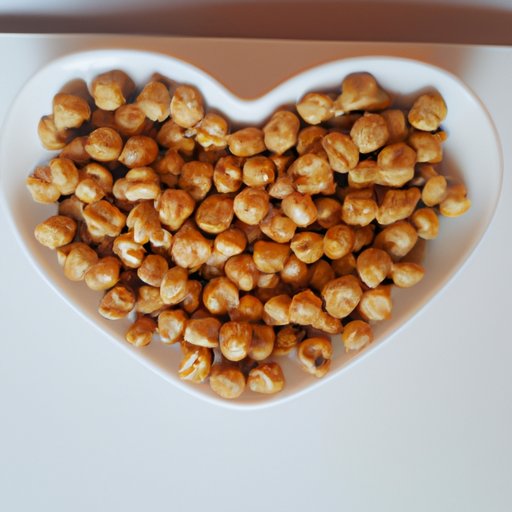
Roasted chickpeas are a popular snack and side dish, often used as an alternative to fried snacks. But what exactly are roasted chickpeas? Roasted chickpeas are simply cooked chickpeas that have been seasoned, usually with spices or herbs, and then roasted in an oven until golden brown and crispy. They are a crunchy and flavorful snack that can be enjoyed on their own or added to salads and other dishes.
When it comes to nutrition, roasted chickpeas offer a variety of benefits. They are high in protein, fiber, vitamins, and minerals, making them a nutritious and filling snack option. In this article, we will explore the nutritional benefits of roasted chickpeas and discuss the potential health benefits of eating them.
Analyzing the Nutritional Benefits of Roasted Chickpeas
When it comes to nutrition, roasted chickpeas are a great source of macronutrients, micronutrients, and other beneficial compounds. Here is a breakdown of the nutrition facts for one cup (164g) of roasted chickpeas:
- Calories: 258
- Carbohydrates: 33.7g
- Protein: 11.7g
- Fat: 8.3g
- Fiber: 6.8g
Compared to other snacks, roasted chickpeas are relatively high in carbohydrates, protein, and fiber, making them a filling and nutritious snack option. In addition to these macronutrients, roasted chickpeas are also a good source of several vitamins and minerals, including magnesium, potassium, zinc, iron, and vitamin B6.

Exploring the Health Benefits of Roasted Chickpeas
In addition to providing essential macronutrients and micronutrients, roasted chickpeas may also offer a range of health benefits due to their high content of antioxidants, fiber, protein, and vitamins and minerals. Here is a closer look at some of the potential health benefits of eating roasted chickpeas:
Antioxidants
Chickpeas are a good source of antioxidants, which are compounds that help protect cells from damage caused by free radicals. Free radicals are unstable molecules that can cause oxidative stress, leading to inflammation and other health problems. By consuming foods rich in antioxidants, like roasted chickpeas, you can help reduce your risk of developing chronic diseases.
Fiber
Roasted chickpeas are a good source of dietary fiber, which is important for maintaining digestive health. Fiber helps promote regular bowel movements, which can help to reduce your risk of developing constipation and other digestive issues. Fiber can also help lower cholesterol levels, improve blood sugar control, and reduce your risk of heart disease.
Protein
Roasted chickpeas are a good source of plant-based protein, making them an excellent choice for vegetarians and vegans. Protein is essential for building and repairing muscle, and it can also help keep you feeling full for longer, which can be beneficial for weight management.
Vitamins and Minerals
As mentioned above, roasted chickpeas are a good source of several vitamins and minerals, including magnesium, potassium, zinc, iron, and vitamin B6. These vitamins and minerals are essential for maintaining good health, and they can help support immune system function, aid in digestion, and even help to reduce fatigue.
The Pros and Cons of Eating Roasted Chickpeas
Like any food, there are both pros and cons to eating roasted chickpeas. Here is a look at some of the advantages and disadvantages of adding roasted chickpeas to your diet:
Pros
- High in protein, fiber, and other nutrients
- Low in fat and calories
- Versatile and easy to prepare
- Good source of antioxidants
- Can help promote satiety
Cons
- May contain antinutrients, which can interfere with nutrient absorption
- Can cause gas and bloating if eaten in large amounts
- High in carbohydrates, which may not be ideal for people with diabetes or other metabolic conditions

Recipes for Healthy Roasted Chickpea Snacks
If you’re looking for a healthy and delicious way to enjoy roasted chickpeas, here are a few recipes to get you started:
Roasted Chickpea Salad
This roasted chickpea salad is easy to make and packed with flavor. Simply combine cooked chickpeas with diced tomatoes, cucumbers, red onions, feta cheese, and your favorite dressing. For a vegan option, swap out the feta cheese for vegan cheese.
Roasted Chickpea Hummus
This roasted chickpea hummus is a great alternative to traditional hummus. Simply blend cooked chickpeas with garlic, tahini, olive oil, lemon juice, and salt. Serve with fresh vegetables or pita chips for a tasty and nutritious snack.
Roasted Chickpea Snack Mix
This roasted chickpea snack mix is a great way to satisfy your cravings for something salty and crunchy. Just combine cooked chickpeas with nuts, seeds, dried fruit, and your favorite seasonings. Enjoy as a snack or sprinkle over salads for extra crunch.

A Comparison of Roasted and Unroasted Chickpeas
When it comes to cooked chickpeas, there are two main options: roasted and unroasted. Here is a comparison of the two to help you decide which is best for you:
Nutritional Differences
Nutritionally speaking, roasted and unroasted chickpeas are very similar. Both are high in protein, fiber, and other essential nutrients. The main difference between the two is that roasted chickpeas tend to be slightly higher in fat and calories than unroasted chickpeas.
Flavor Differences
Roasted chickpeas have a slightly nuttier and more intense flavor than unroasted chickpeas. They are also much crunchier, making them a great snack option. Unroasted chickpeas, on the other hand, are softer and milder in flavor.
Cooking Time Differences
Roasting chickpeas takes significantly less time than cooking unroasted chickpeas. Roasted chickpeas only need to be cooked for about 15 minutes, while unroasted chickpeas need to be cooked for at least an hour.
Is Roasting Chickpeas a Healthy Alternative to Frying?
Many people view roasting as a healthier alternative to frying, but is this really true? Here is a look at some of the advantages and disadvantages of roasting chickpeas compared to frying them:
Advantages of Roasting Over Frying
- Less fat and calories
- Less added oil
- Retains most of the nutritional value of the chickpeas
Disadvantages of Roasting Over Frying
- Takes longer to cook
- Less flavorful than fried chickpeas
- Not as crunchy as fried chickpeas
Overall, roasting is a healthier alternative to frying when it comes to preparing chickpeas. It is lower in fat and calories and retains most of the nutritional value of the chickpeas. Plus, it is easier and quicker to prepare than frying.
Conclusion
Roasted chickpeas are a nutritious and versatile snack option, offering a variety of health benefits. They are high in protein, fiber, and other essential nutrients, and they are also a good source of antioxidants, vitamins, and minerals. Roasting chickpeas is a healthier alternative to frying, as it requires less fat and fewer calories. Whether you enjoy them as a snack or use them as an ingredient in your favorite recipes, roasted chickpeas are a delicious and nutritious way to add more plant-based foods to your diet.
(Note: Is this article not meeting your expectations? Do you have knowledge or insights to share? Unlock new opportunities and expand your reach by joining our authors team. Click Registration to join us and share your expertise with our readers.)