
Introduction
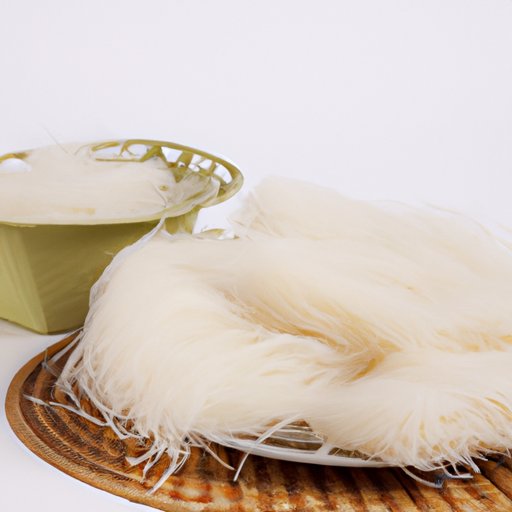
Rice noodles are a type of noodle made from rice flour, water, and sometimes tapioca starch. They are popular in many parts of Asia, especially in China, Vietnam, Thailand, and Malaysia. They are thin, translucent, and have a slightly chewy texture. Rice noodles come in various shapes and sizes, and can be used in a variety of dishes such as stir-fries, soups, and salads.
In this article, we will explore the potential health benefits of eating rice noodles, compare their nutritional content to other types of noodles, investigate the environmental impact of their production, and analyze the cost-effectiveness of using them for meals. We will also identify which types of diets are best suited for rice noodles.

Comparing Nutritional Value of Rice Noodles to Other Types of Noodles
Rice noodles are naturally low in fat and calories, but they are also high in carbohydrates. A 100-gram serving of uncooked rice noodles contains around 360 calories and 77 grams of carbohydrates. Additionally, they contain small amounts of protein and dietary fiber. In comparison, the same amount of wheat-based pasta contains around 350 calories and 74 grams of carbohydrates.
When it comes to vitamins and minerals, rice noodles contain small amounts of essential vitamins and minerals such as iron, calcium, vitamin B6, and magnesium. However, wheat-based noodles contain slightly higher amounts of these nutrients. For example, a 100-gram serving of uncooked wheat-based noodles contains 2.3 milligrams of iron, compared to 1.9 milligrams in the same amount of uncooked rice noodles.
Exploring the Health Benefits of Rice Noodles
Rice noodles are a good source of several essential vitamins and minerals. They are high in carbohydrates, which provide energy and help to keep you feeling full and satisfied. Additionally, they contain small amounts of protein and dietary fiber, both of which are important for maintaining a healthy digestive system.
Rice noodles are also relatively low in fat and sodium, making them a healthier alternative to other types of noodles. Furthermore, they are gluten-free, which makes them suitable for people who are sensitive to gluten or have celiac disease.

Examining the Effects of Cooking Methods on the Nutritional Content of Rice Noodles
The nutritional content of rice noodles can vary depending on how they are cooked. For example, boiling them in water will reduce the calories and carbohydrates, while frying them in oil will increase the calories and fat content. Additionally, adding sauces and spices to the noodles can also affect the nutritional content.
Therefore, it is important to consider the cooking method when preparing rice noodles in order to ensure that you are getting the most nutritional value out of them.

Investigating the Environmental Impact of Rice Noodle Production
The production of rice noodles has a significant environmental impact. Rice is a major crop, and its production requires large amounts of water, land, and energy. Additionally, the use of pesticides and fertilizers can contaminate soil and water, leading to pollution and health risks.
Furthermore, the processing of rice noodles often involves the use of chemicals and preservatives, which can also lead to environmental contamination. Therefore, it is important to be aware of the environmental impact of consuming rice noodles and to choose noodles that are produced in a sustainable manner.
Analyzing the Cost-Effectiveness of Using Rice Noodles for Meals
Rice noodles are generally inexpensive, making them a cost-effective option for meals. The price point of rice noodles varies depending on the brand and type of noodle, but they are typically cheaper than other types of noodles. Additionally, rice noodles are easy to prepare and can be used in a variety of dishes, making them a great option for budget-friendly meals.
Identifying Which Type of Diets Are Best Suited for Rice Noodles
Rice noodles are suitable for a variety of diets, including vegan, vegetarian, and gluten-free diets. They are also a great source of carbohydrates, making them a good choice for those following a low-fat or low-calorie diet. Additionally, they are free of cholesterol and saturated fats, making them a healthy choice for people with heart disease or diabetes.
Conclusion
Rice noodles are a nutritious, low-cost option for meals. They are high in carbohydrates, contain small amounts of essential vitamins and minerals, and are low in fat and sodium. Additionally, they are gluten-free, making them suitable for those with celiac disease or gluten sensitivity. Furthermore, their production has a significant environmental impact, so it is important to choose noodles that are produced sustainably.
Overall, rice noodles can be a healthy addition to any diet, provided they are prepared correctly. They are a versatile and cost-effective option for meals, and can provide a variety of health benefits. Further research is needed to better understand the nutritional content and environmental impact of rice noodles.
(Note: Is this article not meeting your expectations? Do you have knowledge or insights to share? Unlock new opportunities and expand your reach by joining our authors team. Click Registration to join us and share your expertise with our readers.)