
Introduction
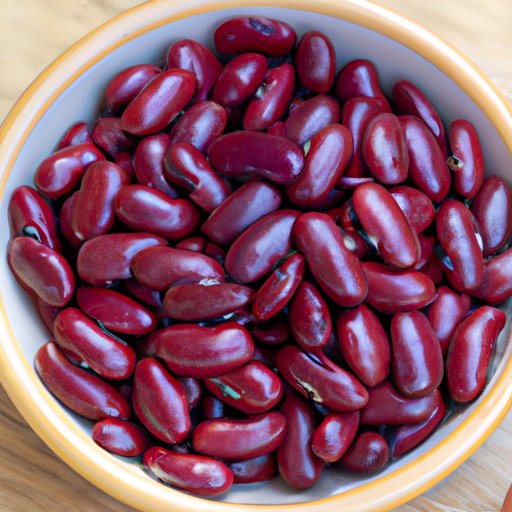
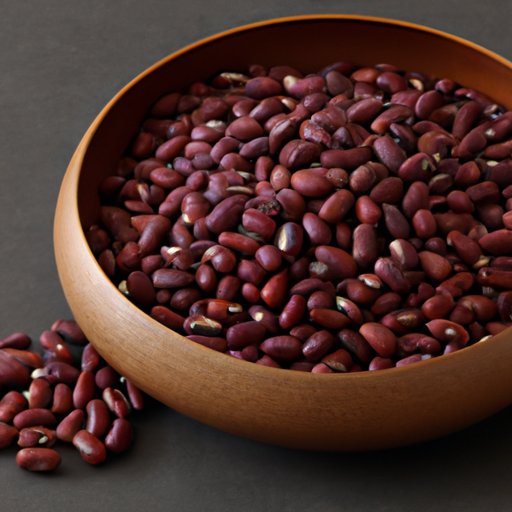
Red beans are a type of small, dark-colored bean that is widely used in various cuisines around the world. They have a slightly sweet flavor and a firm texture, making them a popular choice for recipes such as chili, soups, and stews. Red beans are also known for their nutritional benefits, which include vitamins, minerals, fiber, and protein.
When it comes to health, red beans may offer some potential benefits, as well as some risks. In this article, we’ll explore the nutritional benefits of eating red beans regularly, examine the health impacts of doing so, discuss the role of red beans in a balanced diet, and look at the potential risks associated with eating too many red beans.
Exploring the Nutritional Benefits of Red Beans
Red beans are an excellent source of vitamins and minerals. A 1-cup (172-gram) serving of cooked red beans contains the following nutrients:
- Calories: 227
- Fiber: 15 grams
- Protein: 15 grams
- Vitamin B1 (thiamine): 0.3 milligrams (mg)
- Vitamin B6: 0.4 mg
- Folate: 128 micrograms (mcg)
- Iron: 3.9 mg
- Magnesium: 74 mg
- Potassium: 706 mg
- Zinc: 2.5 mg
Red beans are particularly high in fiber, providing 15 grams per 1-cup (172-gram) serving. This amount is 60% of the daily recommended intake for adults. Fiber helps promote digestion, keeps you feeling full longer, and may help reduce cholesterol levels.
Red beans are also a good source of protein. A 1-cup (172-gram) serving provides 15 grams of protein, which is 30% of the daily recommended intake for adults. Protein plays an essential role in building and maintaining muscle mass, as well as other bodily functions.
Examining the Health Impacts of Eating Red Beans Regularly
Eating red beans regularly may offer several potential health benefits. Here’s a closer look at some of the most promising.
Potential Benefits for Heart Health
Red beans are rich in fiber, magnesium, and potassium, all of which have been linked to improved heart health. Fiber helps reduce cholesterol levels, while magnesium and potassium help regulate blood pressure. Eating a diet high in these nutrients may lower your risk of developing coronary artery disease and other heart conditions.
Potential Benefits for Digestive Health
The high fiber content of red beans may also benefit digestive health. Fiber helps keep your digestive system running smoothly by promoting regular bowel movements and preventing constipation. It may also help reduce your risk of developing certain digestive conditions, such as diverticular disease and hemorrhoids.
Potential Benefits for Weight Management
Eating red beans regularly may help with weight management. The high fiber content helps you feel full for longer, which may reduce your overall calorie intake. Additionally, the protein content helps build and maintain muscle mass, which increases your metabolism and helps burn calories more efficiently.
Potential Benefits for Blood Sugar Control
Red beans contain complex carbohydrates, which means they have a low glycemic index (GI). This means they don’t cause sudden spikes in your blood sugar levels after eating. Eating foods with a low GI may help keep your blood sugar levels stable, which can be especially beneficial for people with diabetes.
The Role of Red Beans in a Balanced Diet
Red beans can be a healthy and nutritious addition to your diet. However, it’s important to remember that no single food can provide all the nutrients your body needs. To get the most health benefits, aim to eat a variety of healthy foods every day.
In addition to red beans, focus on incorporating other nutrient-rich foods into your meal plan, such as fruits and vegetables, whole grains, lean proteins, and healthy fats. These will help ensure you’re getting all the essential vitamins and minerals your body needs to stay healthy.

How to Incorporate Red Beans into Your Meal Plan
One of the great things about red beans is that they’re incredibly versatile. You can use them in a wide range of dishes, from salads and soups to rice dishes and casseroles. Here are some tips for incorporating red beans into your meals:
- Add them to salads or grain bowls.
- Use them in soups and stews.
- Top your tacos or burritos with red beans instead of meat.
- Mix them into your favorite pasta dish.
- Add them to your breakfast omelet.
- Make a batch of vegan chili.
Health Risks Associated with Eating Too Many Red Beans
Though red beans can be a healthy addition to your diet, it’s important to be aware of the potential risks associated with eating too many. Eating too many red beans may cause gastrointestinal distress, such as bloating, gas, and diarrhea. It may also increase your risk of kidney stones, as red beans are high in oxalates.
To minimize your risk of adverse health effects, the American Heart Association recommends limiting your red bean intake to 1/2 cup (86 grams) per day. This amount provides a good balance of nutrients without increasing your risk of adverse health effects.
Comparing Red Beans to Other Healthy Legumes
Red beans are just one of many different types of legumes. Others include chickpeas, lentils, black beans, and kidney beans. Each type of legume offers its own unique nutritional profile. For example, lentils are higher in protein than red beans, while chickpeas are higher in fiber.
It’s important to note that not all legumes are created equal. Some varieties are healthier than others. For instance, canned beans tend to be higher in sodium than their dried counterparts. Therefore, it’s best to opt for dried beans when possible.
Conclusion
Red beans are a nutritious and versatile food that can be incorporated into many meals. They’re a good source of fiber, protein, vitamins, and minerals. Eating them regularly may offer several potential health benefits, including improved heart health, better digestive health, weight management, and blood sugar control.
However, it’s important to remember that no single food can provide all the nutrients your body needs. To get the most health benefits, aim to eat a variety of healthy foods every day, including other legumes and nutrient-rich fruits and vegetables. Additionally, be sure to limit your intake to 1/2 cup (86 grams) per day to minimize your risk of adverse health effects.
(Note: Is this article not meeting your expectations? Do you have knowledge or insights to share? Unlock new opportunities and expand your reach by joining our authors team. Click Registration to join us and share your expertise with our readers.)