
Introduction
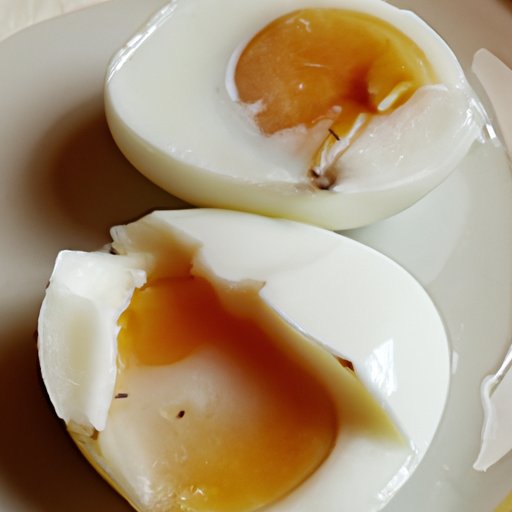
Poached eggs are a popular breakfast choice that can add a nutritious boost to any meal. But what exactly is a poached egg? Poached eggs are made by gently simmering eggs in hot water until the whites are cooked through but the yolks remain soft. The result is a tender egg with a creamy, runny yolk that can be served on toast, salads, or other dishes. But are poached eggs healthy? In this article, we will explore the nutritional benefits and potential risks of eating poached eggs.

Exploring the Nutritional Benefits of Poached Eggs
Poached eggs can provide several nutritional benefits. Research has shown that eggs are a good source of protein, vitamins, minerals, and antioxidants. Here are some of the nutritional benefits of eating poached eggs:
High Protein Content
One large egg contains 6 grams of protein, making it one of the highest sources of protein among breakfast foods. A study published in the British Journal of Nutrition found that eggs are one of the most bioavailable sources of protein, meaning that our bodies can easily absorb and utilize the protein in eggs. Eating protein-rich foods like poached eggs can help keep you feeling full and energized throughout the day.
Low Calorie Count
One large egg contains just 78 calories, making it a great choice if you’re watching your calorie intake. Poached eggs can also be served with other nutrient-dense foods such as vegetables, whole grains, and lean proteins, allowing you to create a low-calorie meal that is still packed with essential vitamins and minerals.
Contribution to a Balanced Diet
Eggs can be a part of a balanced diet. According to the American Heart Association, eggs can be included in a healthy diet when eaten in moderation. Eating poached eggs can help you meet your daily nutrient requirements and contribute to a balanced diet.
Examining the Potential Health Risks of Eating Poached Eggs
Though poached eggs are generally considered a healthy food, there are some potential health risks associated with eating them. Here are a few things to consider before adding poached eggs to your diet:
Cholesterol Levels
Eggs are high in cholesterol, with one large egg containing 212 mg. For healthy adults, the recommended daily limit for cholesterol is 300 mg. If you have high cholesterol, talk to your doctor about how many eggs you can safely eat per week.
Allergies
Some people may be allergic to eggs. Symptoms of an egg allergy include rash, itching, swelling, and trouble breathing. If you experience any of these symptoms after eating poached eggs, see a doctor right away.
Food Poisoning
If poached eggs are not cooked properly, they can contain bacteria such as Salmonella, which can cause food poisoning. To avoid food poisoning, make sure to cook eggs thoroughly. The Centers for Disease Control and Prevention recommends cooking eggs until both the yolk and white are firm.

A Guide to Choosing the Right Ingredients for Poached Eggs
Choosing the right ingredients for your poached eggs can help ensure that they are both delicious and nutritious. Here are a few tips for selecting the best ingredients for poached eggs:
Selecting the Right Eggs
When selecting eggs for poaching, look for eggs that are fresh and free from cracks. You can also opt for organic, cage-free, or pastured eggs, which are higher in nutrients than regular eggs.
Preparing the Water
For the best results, use cold water when poaching eggs. Adding a teaspoon of vinegar to the water can help the egg whites stay together. Bring the water to a gentle simmer before adding the eggs.
Adding Seasonings
Once the eggs are in the water, you can season them with salt, pepper, herbs, or spices. This can help enhance the flavor of the eggs and make them more enjoyable to eat.
Comparing Poached Eggs to Other Types of Egg Preparation
When considering whether poached eggs are healthy, it is also important to compare them to other types of egg preparation. Here is a brief comparison of poached eggs to fried eggs, scrambled eggs, and boiled eggs:
Fried Eggs
Fried eggs are cooked in oil or butter, which adds extra calories and saturated fat. Fried eggs are also typically cooked at a higher temperature than poached eggs, which can cause the proteins in the egg to become denatured and less nutritious.
Scrambled Eggs
Scrambled eggs are typically cooked in butter or oil, making them higher in calories and saturated fat than poached eggs. Scrambled eggs can also be overcooked, which can cause the proteins in the egg to become denatured and less nutritious.
Boiled Eggs
Boiled eggs are cooked in boiling water, making them lower in calories and saturated fat than fried or scrambled eggs. However, boiled eggs can become rubbery and difficult to digest if they are overcooked.

Investigating the Pros and Cons of Eating Poached Eggs
To determine whether poached eggs are a healthy choice, it is important to consider both the pros and cons of eating them. Here is a quick overview of the pros and cons of eating poached eggs:
Pros
Poached eggs are a good source of protein and other essential nutrients. They are also low in calories and can be served with other nutrient-dense foods for a balanced meal. Poached eggs are also easy to prepare and can be seasoned to suit your taste.
Cons
Poached eggs are high in cholesterol and may not be suitable for those with high cholesterol levels. There is also a risk of food poisoning if the eggs are not cooked properly. Finally, some people may be allergic to eggs, so it is important to check with a doctor before adding them to your diet.
Conclusion
In conclusion, poached eggs can be a healthy option for breakfast or a snack. Poached eggs are a good source of protein and other essential nutrients, and they are low in calories. However, they are high in cholesterol and may not be suitable for those with high cholesterol levels. Additionally, there is a risk of food poisoning if the eggs are not cooked properly, and some people may be allergic to eggs. When choosing ingredients for poached eggs, opt for fresh, organic, cage-free, or pastured eggs and season them with herbs and spices for added flavor. By taking these precautions, you can enjoy poached eggs as part of a healthy and balanced diet.
(Note: Is this article not meeting your expectations? Do you have knowledge or insights to share? Unlock new opportunities and expand your reach by joining our authors team. Click Registration to join us and share your expertise with our readers.)