
Introduction
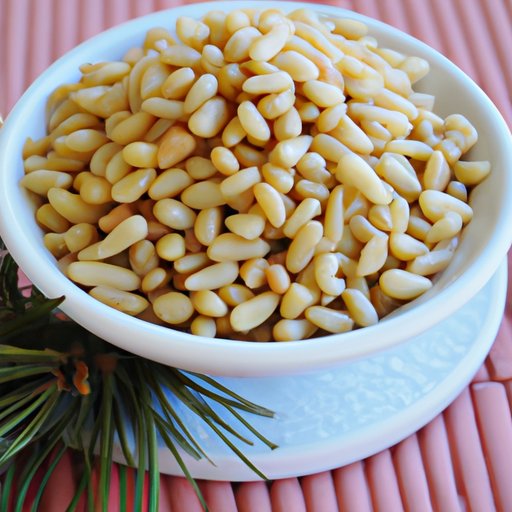
Pine nuts have been enjoyed as a culinary ingredient for centuries, but they have recently become popular among health-conscious individuals due to their numerous nutritional benefits. Also known as pignolias, these edible seeds are derived from certain species of pine trees, including the stone pine and Italian stone pine. Pine nuts are rich in essential fatty acids, protein, antioxidants, minerals, and vitamins, making them a highly nutritious food choice.
This article will explore why people should consider incorporating pine nuts into their diets and how to do so in order to maximize the health benefits associated with this superfood. We’ll also discuss the pros and cons of eating pine nuts and provide a comprehensive guide to their various health benefits.
Exploring the Nutritional Benefits of Pine Nuts
Pine nuts are an excellent source of healthy fats, protein, and micronutrients. A one-ounce serving contains approximately:
- 190 calories
- 4 grams of carbohydrates
- 3 grams of fiber
- 4 grams of protein
- 14 grams of fat (including 7 grams of monounsaturated fat)
In addition to these macronutrients, pine nuts are also packed with antioxidants, minerals, and vitamins. These include vitamin E, selenium, zinc, magnesium, phosphorus, iron, and calcium.
The health benefits associated with consuming pine nuts are numerous. Studies have found that they may help reduce inflammation, improve heart health, boost cognitive function, promote weight loss, and even reduce the risk of certain types of cancer.
How to Incorporate Pine Nuts into a Healthy Diet
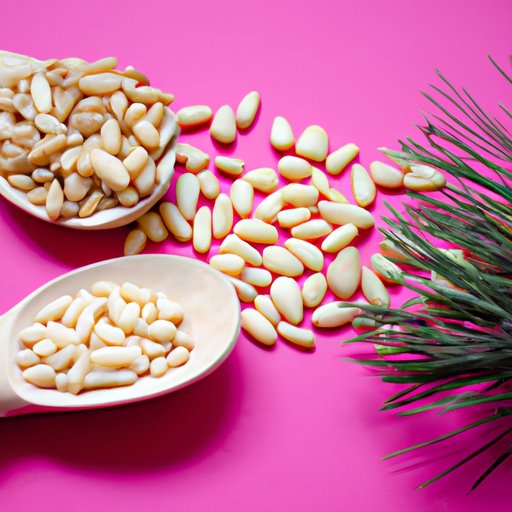
Adding pine nuts to your diet is easy and can be done in several ways. They make a great addition to salads, stir-fries, and pastas, and can also be used as a topping for pizzas and casseroles. You can also use them to make pesto or add them to smoothies for an extra boost of flavor and nutrition.
For those looking for creative ways to incorporate pine nuts into their diets, there are plenty of delicious recipes out there. From savory dishes like spinach and pine nut lasagna to sweet treats like pine nut cookies, the possibilities are endless. Additionally, you can also try adding pine nuts to homemade granola bars or trail mix for a nutritious snack on the go.
The Pros and Cons of Eating Pine Nuts
Like any food, there are both advantages and disadvantages to eating pine nuts. On the plus side, they are a good source of healthy fats, protein, and micronutrients, making them an excellent addition to any diet. Additionally, they are low in calories and can be easily incorporated into a variety of recipes.
On the other hand, pine nuts are relatively expensive and can cause digestive issues in some people. Additionally, they have a high fat content, so it’s important to keep portion sizes in check. Finally, some people may experience an allergic reaction to pine nuts, so it’s wise to consult with a doctor before including them in your diet.
A Comprehensive Guide to the Health Benefits of Pine Nuts
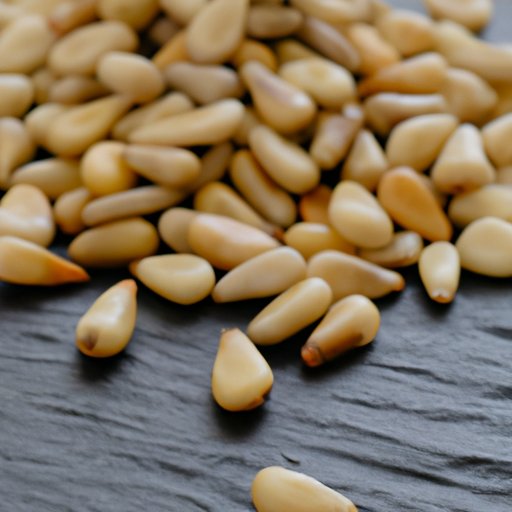
Pine nuts offer a wide range of health benefits, from promoting cardiovascular health to aiding in weight management. Here’s a closer look at some of the top health benefits associated with consuming pine nuts:
Cardiovascular Health
Pine nuts are a great source of monounsaturated fats, which are known to reduce cholesterol levels and lower the risk of heart disease. According to a study published in the journal Nutrition Research, consuming pine nuts can also help decrease blood pressure and protect against arterial damage.
Weight Management
Pine nuts are low in calories and contain a good amount of protein, making them an ideal food for those looking to lose weight. Additionally, the high fiber content helps to keep you feeling fuller for longer, which can help stave off hunger cravings.
Bone Health
Pine nuts are a great source of phosphorus, a mineral that plays an important role in bone health. In fact, studies have shown that consuming phosphorus-rich foods can help prevent osteoporosis and reduce the risk of fractures.
Brain Health
Pine nuts are a great source of omega-3 fatty acids, which are known to have a beneficial effect on brain health. Studies have found that consuming omega-3 fatty acids can help improve memory, reduce symptoms of depression, and even protect against age-related brain diseases such as Alzheimer’s.
Digestive Health
Pine nuts are a good source of dietary fiber, which is essential for proper digestion. Fiber helps to keep the digestive system running smoothly and can also help reduce the risk of developing certain digestive conditions such as irritable bowel syndrome.
Blood Sugar Control
Pine nuts are a low-glycemic index food, meaning they don’t cause a dramatic spike in blood sugar levels. This makes them an excellent choice for those who have diabetes or are trying to manage their blood sugar levels.
Pine Nuts: A High-Protein, Low-Calorie Snack
Pine nuts make an excellent snack food. Not only are they low in calories and packed with protein, but they also contain a good amount of healthy fats and fiber, which can help keep you feeling full for longer. Additionally, because they are so versatile, you can use them in a variety of creative recipes to create delicious and nutritious snacks.
Some ideas for creating healthy snacks with pine nuts include adding them to yogurt or oatmeal, making energy balls with dates, nut butter, and honey, or sprinkling them over roasted vegetables. You can also use them to make trail mix by combining them with dried fruit, nuts, and seeds.
How to Use Pine Nuts in Creative Recipes for Better Health
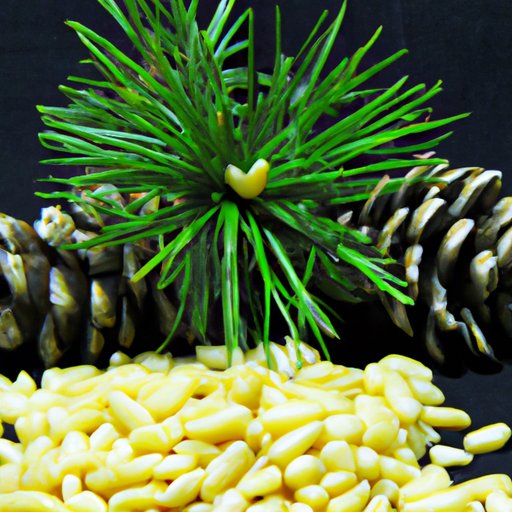
Pine nuts are incredibly versatile and can be used in a variety of delicious and nutritious recipes. Some examples include spinach and pine nut lasagna, roasted cauliflower and pine nut salad, and zucchini noodles with pine nut pesto. Each of these recipes offers a unique combination of flavors and textures, as well as a host of health benefits.
For example, the spinach and pine nut lasagna is a great source of protein, vitamins, and minerals, while the roasted cauliflower and pine nut salad is packed with antioxidants and fiber. The zucchini noodles with pine nut pesto are a great option for those looking for a lighter meal that still packs a flavorful punch.
Conclusion
Pine nuts are a nutrient-dense superfood with many health benefits. They are an excellent source of healthy fats, protein, and micronutrients, and can be easily incorporated into a variety of recipes. Additionally, they are low in calories and make a great snack food.
From promoting cardiovascular health to aiding in weight management, there are numerous health benefits associated with consuming pine nuts. For those looking to get the most out of this superfood, it’s important to incorporate them into a balanced diet along with other nutrient-dense foods. With a little creativity, you can enjoy all the health benefits of pine nuts without sacrificing taste.
(Note: Is this article not meeting your expectations? Do you have knowledge or insights to share? Unlock new opportunities and expand your reach by joining our authors team. Click Registration to join us and share your expertise with our readers.)