
Introduction
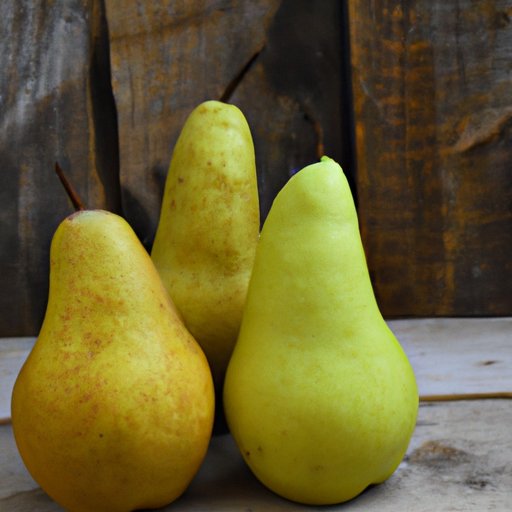
Pears are a widely available fruit that can be found in many grocery stores throughout the year. Although pears are often overlooked in comparison to other fruits like apples or oranges, they are an excellent choice for a healthy diet. In this article, we will explore the nutritional benefits of pears as well as how they can be incorporated into a healthy diet.
Exploring the Nutritional Benefits of Pears
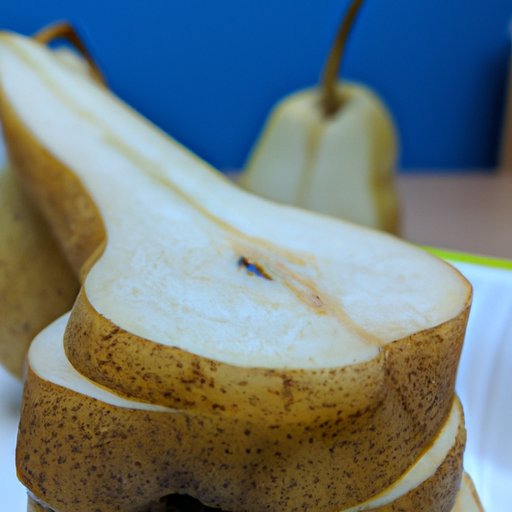
Pears are a great source of essential vitamins and minerals such as vitamin C, potassium, magnesium, and iron. They are also a good source of dietary fiber which helps to keep you feeling fuller for longer periods of time. Pears are low in calories, fat, and sodium, making them an ideal choice for those looking to maintain a healthy weight.
Pears are an excellent source of antioxidants which can help protect against cell damage caused by free radicals. They also contain anti-inflammatory properties which can help reduce inflammation in the body. Additionally, pears are high in polyphenols which may help reduce the risk of cardiovascular disease.
Are Pears a Healthy Choice for Weight Loss?
Pears are a great choice for those trying to lose weight as they are low in calories and high in fiber. One medium-sized pear contains just over 100 calories and five grams of fiber. Fiber helps to keep you feeling full longer, which can help to reduce overall calorie intake.
Incorporating pears into a weight loss program is easy. Pears can be eaten on their own as a snack or added to salads, oatmeal, yogurt, or smoothies. Pears can also be cooked and added to savory dishes such as stir-fries or curries.

How to Incorporate Pears Into a Healthy Diet
When adding pears to your diet, it’s important to choose ripe pears. Ripe pears should be firm but slightly soft to the touch. Unripe pears can be left at room temperature until they are ripe. Once ripe, pears can be stored in the refrigerator for up to four days.
Adding pears to meals is easy. They can be sliced and added to salads or sandwiches. Pears can also be cooked and added to savory dishes such as stir-fries or curries. For a sweet treat, pears can be baked or grilled and served with ice cream or yogurt. There are many delicious recipes featuring pears that can be found online.
When incorporating pears into your diet, it’s important to remember that eating too much of any one food can lead to an imbalance in your diet. Aim to have a variety of fruits and vegetables in your diet to ensure that you are getting all the nutrients you need.
What Makes Pears a Good Choice for a Healthy Diet?
Pears are a nutrient-dense food, meaning they are packed with nutrients while being low in calories. They are a good source of dietary fiber, vitamins, minerals, and antioxidants. Pears come in a variety of flavors, so you can enjoy different types of pears throughout the year.
Eating pears can provide many health benefits. Studies have shown that pears can help improve gut health, reduce cholesterol levels, and even reduce the risk of certain diseases. Pears are also low in calories and high in fiber, making them a great choice for those looking to maintain a healthy weight.
How Pears Can Help Prevent Disease
The antioxidants and anti-inflammatory properties found in pears can help protect against chronic diseases such as heart disease and cancer. The antioxidants in pears can help neutralize free radicals which can cause cell damage and lead to chronic illness. The anti-inflammatory properties of pears can help reduce inflammation in the body which can help reduce the risk of certain diseases.
Pears are also a good source of folate, vitamin C, and iron, all of which can help prevent certain diseases. Folate helps to reduce the risk of birth defects, while vitamin C helps to boost the immune system. Iron plays an important role in maintaining healthy red blood cells.
The Benefits of Eating Pears During Pregnancy
Eating pears during pregnancy can provide many health benefits for both mom and baby. Pears are a good source of folate, which is essential for fetal development. Folate helps to reduce the risk of spinal cord defects and other neural tube defects. Pregnant women should aim to get 400 micrograms of folate per day.
Pears are also a good source of vitamin C which helps to boost the immune system. Vitamin C also helps to absorb iron, which is important for pregnant women who are at risk of developing anemia. Pears are also a good source of iron which helps to maintain healthy red blood cells.
Conclusion
Pears are an excellent choice for a healthy diet. They are a nutrient-dense food that is low in calories and high in fiber, vitamins, minerals, and antioxidants. Eating pears can provide many health benefits, from improving gut health to reducing the risk of certain diseases. Pears are also a great choice for pregnant women as they are a good source of folate, vitamin C, and iron.
Incorporating pears into a healthy diet is easy. Pears can be eaten on their own as a snack or added to meals. There are many delicious recipes featuring pears that can be found online.
(Note: Is this article not meeting your expectations? Do you have knowledge or insights to share? Unlock new opportunities and expand your reach by joining our authors team. Click Registration to join us and share your expertise with our readers.)