
Introduction
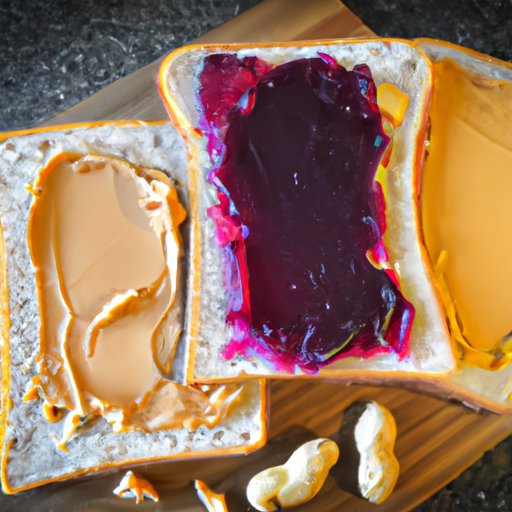
Peanut butter and jelly sandwiches are a classic lunchtime favorite for both children and adults alike. Whether you’re packing your own lunch or ordering from a restaurant, this classic sandwich is always an option. But is it actually healthy? This article explores the nutritional value of PB&J and examines the potential risks of eating this sandwich too often.

Exploring the Nutritional Value of Peanut Butter and Jelly Sandwiches
A traditional PB&J sandwich consists of two slices of bread, peanut butter, and jelly. The bread provides carbohydrates, while the peanut butter adds protein and healthy fats. Depending on the type of jelly used, there may be some added vitamins and minerals. According to the USDA, one sandwich contains about 400 calories and 19 grams of fat. It also has around 11 grams of protein, 51 grams of carbohydrates, and 4 grams of fiber.
In addition to these macronutrients, peanut butter and jelly also provide a variety of micronutrients. Peanut butter is a good source of vitamin E, niacin, folate, magnesium, phosphorus, zinc, and copper. It also contains antioxidants, which can help fight off free radicals and reduce inflammation in the body. Jelly is a good source of vitamin C, as well as other vitamins and minerals.

The Pros and Cons of Eating a Peanut Butter and Jelly Sandwich
Eating a PB&J sandwich can provide some health benefits, but there are also some potential drawbacks. Let’s take a look at some of the pros and cons of eating a PB&J sandwich.
Benefits
One of the biggest benefits of eating a PB&J sandwich is that it’s an easy way to get essential nutrients. The combination of carbs, protein, and healthy fats can help keep you feeling full and energized throughout the day. The sandwich also provides a variety of vitamins and minerals, including antioxidants, which can help protect against disease. Finally, it’s a relatively inexpensive meal, making it a great option for those on a budget.
Drawbacks
While there are some benefits to eating a PB&J sandwich, there are also some potential drawbacks. For example, many store-bought versions of peanut butter and jelly contain added sugar, which can increase your risk of cavities and other health issues. Additionally, some brands of peanut butter can be high in saturated fat, which can raise your cholesterol levels if consumed in excess. Finally, the sandwich doesn’t provide any fresh fruits or vegetables, so it may not be the most nutritionally balanced meal.
What’s Better for Your Health? Peanut Butter and Jelly or a Salad?
When it comes to choosing a healthy meal, there’s no clear answer. A salad can provide a variety of fresh fruits and vegetables, which can help you get essential vitamins and minerals. However, a PB&J sandwich can provide a similar amount of nutrients in a more convenient package. Let’s compare the nutritional value of each meal to determine which is healthier.
Comparison of Nutritional Value
A typical PB&J sandwich contains 400 calories, 19 grams of fat, 11 grams of protein, 51 grams of carbohydrates, and 4 grams of fiber. A salad with the same ingredients (lettuce, tomato, cucumber, carrot, and 1 tablespoon of olive oil) contains approximately 200 calories, 17 grams of fat, 5 grams of protein, 12 grams of carbohydrates, and 6 grams of fiber. While both meals provide essential vitamins and minerals, the salad is lower in calories and fat and higher in fiber, making it the healthier option.
Which Is Healthier?
Ultimately, it depends on your goals and preferences. If you’re looking for a quick and easy meal, a PB&J sandwich may be the better choice. However, if you’re trying to lose weight or improve your overall health, a salad may be the better option. Either way, it’s important to remember that moderation is key when it comes to eating a healthy diet.
Are Peanut Butter and Jelly Sandwiches Good for You?
Despite their convenience, PB&J sandwiches may not be the healthiest choice. While they can provide some essential nutrients, they can also be high in calories, fat, and sugar. Additionally, they don’t provide any fresh fruits or vegetables, which can be important for a balanced diet. So, while they may be an occasional treat, they shouldn’t be eaten too often.
How to Make a Healthy Peanut Butter and Jelly Sandwich
If you want to enjoy a PB&J sandwich without sacrificing your health, there are a few simple steps you can take. First, try to use whole grain bread instead of white bread. Whole grain bread is higher in fiber and will keep you feeling fuller for longer. Next, opt for natural peanut butter instead of the processed varieties, which tend to be higher in sugar and sodium. Finally, try using honey or fruit spread instead of jelly, as these are generally lower in sugar.
PB&J: Is It Still a Healthy Lunchtime Option?
The answer is yes – with a few tweaks. By substituting healthier ingredients and adding in some fresh vegetables, you can make a PB&J sandwich that is still delicious but much healthier than the traditional version. Additionally, you can replace unhealthy snacks with a PB&J sandwich, as it will provide more essential nutrients than chips or candy. Finally, if you’re looking for a healthier alternative, there are plenty of options available, such as hummus and vegetable wraps or tuna salad.
Conclusion
Peanut butter and jelly sandwiches have long been a lunchtime staple. While they can provide some essential nutrients, they can also be high in calories, fat, and sugar. Additionally, they don’t contain any fresh fruits or vegetables, which are important for a balanced diet. With a few simple tweaks, however, you can make a PB&J sandwich that is still delicious but much healthier than the traditional version. So, while they may not be the healthiest option, PB&J sandwiches can still be part of a healthy diet.
(Note: Is this article not meeting your expectations? Do you have knowledge or insights to share? Unlock new opportunities and expand your reach by joining our authors team. Click Registration to join us and share your expertise with our readers.)