
Introduction
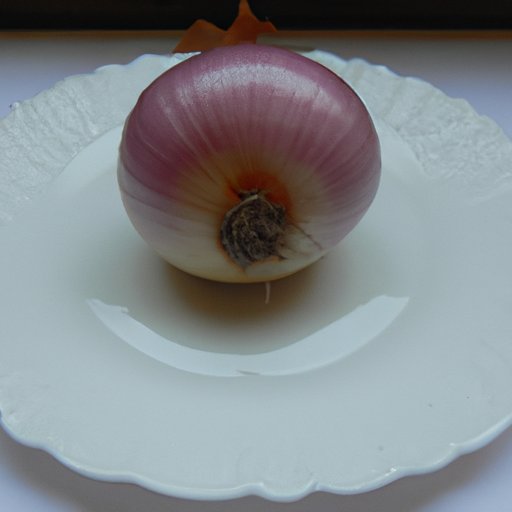
Onions are a common ingredient in many dishes around the world. They add flavor and texture to a variety of dishes, from soups and salads to stir-fries and casseroles. But beyond their culinary uses, are onions actually good for you? In this article, we’ll explore the nutritional benefits and risks of eating onions, how to incorporate them into a healthy diet, and the link between onions and chronic disease prevention.
Examining the Nutritional Benefits of Onions
Onions are an excellent source of vitamins and minerals. A 100-gram serving of raw onion contains:
- Vitamin C: 10 mg (12% of the daily value)
- Folate: 24 mcg (6% of the daily value)
- Potassium: 166 mg (4% of the daily value)
- Manganese: 0.16 mg (7% of the daily value)
- Magnesium: 11 mg (3% of the daily value)
Onions also contain small amounts of calcium, phosphorus, zinc, and iron. They’re low in calories and fat, and they provide dietary fiber and antioxidants.
Health Benefits of Eating Onions
Eating onions may offer several health benefits. Studies have linked onions to a reduced risk of certain types of cancer, including stomach, colorectal, and ovarian cancer. Onions are also high in antioxidants, which can help reduce inflammation and protect against diseases like heart disease and diabetes. According to a study published in the journal Advances in Nutrition, “The antioxidant activity of onions is mainly due to their content of quercetin and other flavonoids.”

Exploring the Health Risks of Eating Onions
Although onions are generally considered safe to eat, there are some potential side effects to consider. Eating large amounts of onions can cause digestive discomfort, such as bloating and gas. Onions may also worsen symptoms in people with irritable bowel syndrome or other gastrointestinal disorders. Additionally, some people are sensitive to the sulfur compounds in onions, which can lead to skin irritation or allergic reactions.
How to Minimize the Risk of Eating Onions
To minimize the risk of eating onions, it’s important to choose organic, fresh onions whenever possible. Also, be sure to wash them thoroughly before use, as they may harbor bacteria or chemicals. If you’re sensitive to the sulfur compounds in onions, try cooking them to reduce the amount of sulfur present. Finally, if you experience any adverse side effects after eating onions, it’s best to limit your intake or avoid them altogether.
How to Incorporate Onions into a Healthy Diet
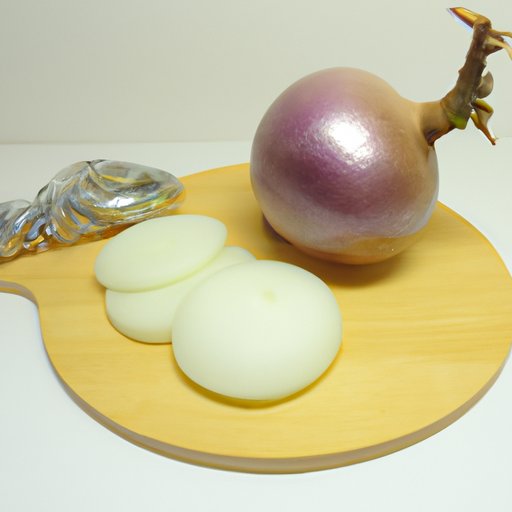
There are many ways to incorporate onions into a healthy diet. Onions can be added to salads, soups, stews, and casseroles. They can also be roasted or grilled for a delicious side dish. For a sweet and savory treat, try caramelizing onions and adding them to burgers, sandwiches, or pizza.
Suggested Recipes with Onions
Here are some delicious recipes that feature onions:
- Savory Onion Tart
- Caramelized Onion and Goat Cheese Pizza
- Roasted Onion Soup
- Grilled Onions with Herbs
- Stuffed Onions with Rice and Lentils
Tips on Choosing and Preparing Onions
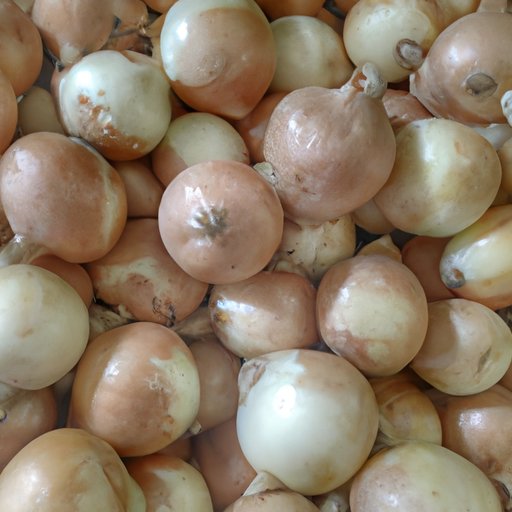
When shopping for onions, look for ones that are firm, dry, and free of blemishes. Avoid onions that are soft, wrinkled, or moldy. When preparing onions, be sure to remove the outer layers and trim off any bruised or discolored areas. To reduce the tear-inducing sulfur compounds, soak the onions in cold water for 10 minutes before chopping or slicing.
The Link Between Onions and Chronic Disease Prevention
Onions have been linked to a reduced risk of certain chronic diseases, including heart disease and type 2 diabetes. A study published in the Journal of Nutrition found that regular onion consumption was associated with a lower risk of coronary heart disease. The study concluded that “the protective effect of onions may be due to their high content of flavonoids and other phytochemicals.”
Studies Showing the Benefits of Onions
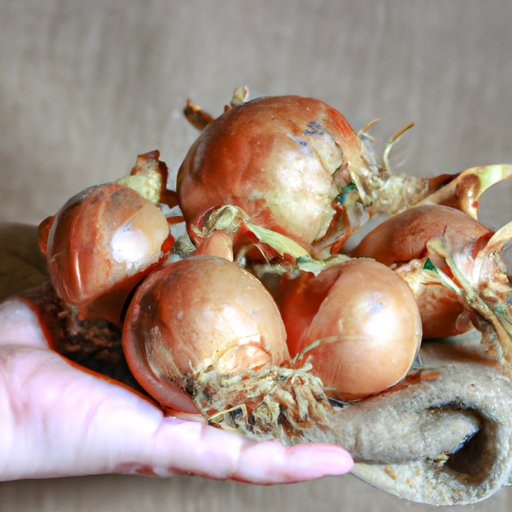
Several studies have explored the potential health benefits of onions. A study published in the journal Cancer Research found that onion extract may help prevent the growth of cancer cells. Another study published in the journal Food Chemistry found that onion extract had a positive effect on blood sugar levels in people with type 2 diabetes. And a study published in the journal Nutrition found that eating onions regularly was associated with a lower risk of obesity.
A Look at the History of Onions as a Healing Food
Onions have been used for medicinal purposes for centuries. Ancient Egyptians believed that onions had healing properties and used them to treat a variety of ailments, from headaches to hair loss. In traditional Chinese medicine, onions are believed to improve circulation and reduce inflammation. In India, onions are used to treat respiratory conditions such as bronchitis and asthma.
Conclusion
In conclusion, onions are a nutritious and versatile food that can be incorporated into a healthy diet. They are packed with vitamins, minerals, and antioxidants, and they may help reduce the risk of certain chronic diseases. However, eating too many onions can cause digestive discomfort and skin irritation in some people. When incorporating onions into your diet, be sure to choose organic, fresh onions whenever possible, and prepare them properly to reduce the risk of adverse side effects.
(Note: Is this article not meeting your expectations? Do you have knowledge or insights to share? Unlock new opportunities and expand your reach by joining our authors team. Click Registration to join us and share your expertise with our readers.)