
Introduction
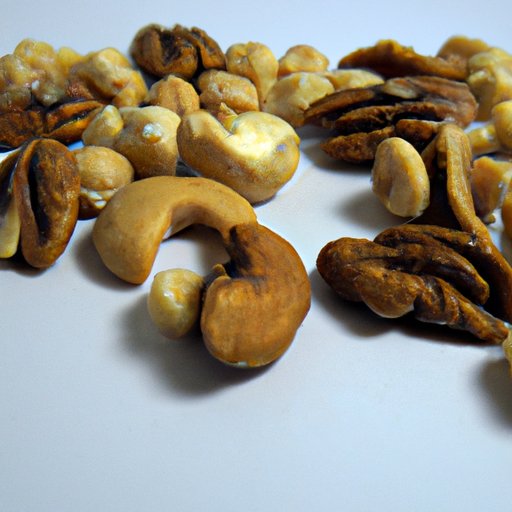
Nuts are a popular snack food and an essential part of many diets around the world. They are high in protein, healthy fats, vitamins, minerals, and other nutrients that may provide numerous health benefits. However, like any food, there can be potential risks associated with eating nuts, so it is important to understand the pros and cons before adding them to your diet.
Exploring the Health Benefits of Eating Nuts
Nuts are packed with essential nutrients that can help promote overall health. This makes them a great addition to any diet. A handful of nuts can provide a good source of protein, healthy fats, vitamins, minerals, fiber, and other beneficial compounds that can improve heart health, reduce inflammation, and even help protect against certain diseases.
In one study, researchers found that people who regularly ate nuts had lower levels of bad cholesterol and higher levels of good cholesterol compared to those who didn’t eat nuts. They also had lower body mass index (BMI) scores, which is an indicator of overall health.
Nuts are also rich in antioxidants, which can help protect cells from damage caused by free radicals. Free radicals are molecules that can cause oxidative stress, which is linked to chronic diseases such as cancer, heart disease, and diabetes. Antioxidants can help neutralize these molecules and reduce the risk of developing these diseases.
Eating nuts can also help with weight management. Studies have shown that people who eat nuts tend to have lower BMIs than those who don’t. This could be due to the fact that nuts are rich in fiber and protein, which can help keep you feeling fuller for longer and prevent overeating.

Examining the Nutrient Content of Different Types of Nuts
Different kinds of nuts provide different nutrients. Here is a look at some of the most common types of nuts and their nutritional content:
Almonds
Almonds are a rich source of vitamin E, magnesium, and fiber. They are also a good source of monounsaturated fats, which can help lower bad cholesterol levels.
Cashews
Cashews are a great source of copper, phosphorus, zinc, and magnesium. They are also low in saturated fat and high in oleic acid, which can help reduce inflammation.
Walnuts
Walnuts are a rich source of omega-3 fatty acids, which can help reduce inflammation and improve heart health. They are also a good source of fiber, vitamin E, and magnesium.
Pistachios
Pistachios are a good source of fiber, vitamin B6, and potassium. They are also rich in plant sterols, which can help reduce cholesterol levels.
Peanuts
Peanuts are a good source of protein, fiber, and monounsaturated fats. They are also rich in antioxidants and phytochemicals, which can help protect against certain diseases.
Macadamia Nuts
Macadamia nuts are a good source of monounsaturated fats, which can help reduce bad cholesterol levels. They are also rich in antioxidants and vitamins A, B, and E.

Investigating the Potential Health Risks of Eating Nuts
While nuts can provide numerous health benefits, there are some potential risks associated with eating them. One of the most common risks is allergies, as some people may be allergic to certain types of nuts. It is important to know which types of nuts you are allergic to and avoid them if possible.
Another potential risk is overconsumption, as eating too many nuts can lead to excessive calorie intake and weight gain. To avoid this, it is important to monitor portion sizes and only consume a moderate amount of nuts each day.

Cooking with Nuts to Maximize Their Health Benefits
To get the most out of your nuts, it is important to prepare them properly. Roasting, baking, sprinkling, and blending are all great ways to enhance the flavor and maximize the health benefits of nuts.
Roasting nuts enhances their flavor and adds a crunchy texture. Baking is another great way to bring out the natural flavors of nuts. Sprinkling nuts on top of salads or other dishes adds flavor and texture. Blending nuts into smoothies or nut butter can also be a delicious and nutritious way to enjoy them.
Conclusion
Nuts provide a variety of essential nutrients that can help promote overall health. They are a good source of protein, healthy fats, fiber, vitamins, minerals, and other beneficial compounds that can improve heart health, reduce inflammation, and protect against certain diseases. However, it is important to be aware of potential risks such as allergies and overconsumption. By preparing nuts properly and eating them in moderation, you can maximize their nutritional value and enjoy their health benefits.
(Note: Is this article not meeting your expectations? Do you have knowledge or insights to share? Unlock new opportunities and expand your reach by joining our authors team. Click Registration to join us and share your expertise with our readers.)