
Introduction
The debate over whether movies can be considered literature has been ongoing for decades. But what is the definition of literature and how does it compare to movies? Literature is traditionally defined as written works that are considered to be of high artistic or intellectual value. Movies, on the other hand, are visual works that rely on sound, imagery, and editing to tell a story. While there may be some overlap between the two mediums, they have distinct differences that make it difficult to classify one as the other.
Analyzing the Influence of Movies on Literature
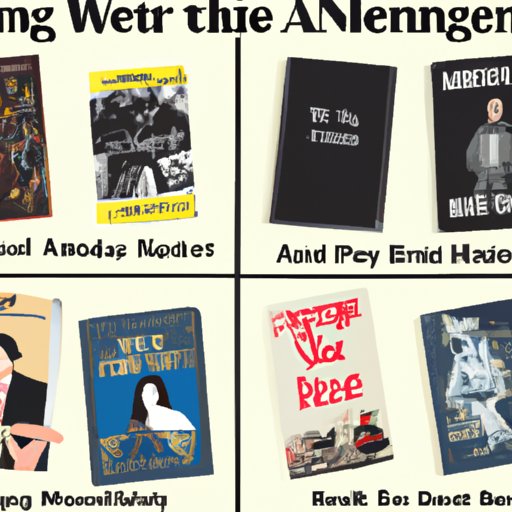
Movies have had a profound influence on literature over the years. Many literary works have been adapted into films, with some achieving great success. From the earliest days of cinema, books have served as inspiration for filmmakers. Classics such as Gone with the Wind, The Godfather, and To Kill a Mockingbird are just a few examples of books that have been successfully adapted into movies.
Movies have also changed the way people experience literature. They provide an alternative way to access and understand stories that might otherwise be inaccessible due to language or cultural barriers. Movies can also bring stories to life in ways that books cannot, allowing viewers to connect more deeply with the characters and plot.
Comparing Literary Themes in Movies and Books
When comparing literary themes in movies and books, it’s important to note that each medium uses different techniques to convey them. A book may use descriptive language to evoke emotion and create atmosphere, while a movie may employ music, lighting, and visuals to achieve the same effect. However, many popular themes, such as love, loss, justice, and morality, are explored in both mediums.
Books often provide more detail and nuance when exploring these themes. Readers can spend time delving into the motivations and thoughts of characters, while movies tend to focus more on action and dialogue. This can lead to subtle differences in the way themes are portrayed in each medium.
Exploring How Movies Adapted from Books Differ from Their Original Works
When a book is adapted into a movie, filmmakers must make decisions about how to translate the material to the screen. This often results in changes to character development, plot elements, and tone and style. For example, a book may contain lengthy passages of internal dialogue that would be difficult to represent visually. In this case, the filmmakers may choose to omit or simplify certain sections of the story.
In addition, filmmakers may choose to add new elements to the adaptation in order to make it more appealing to a cinematic audience. This could include introducing additional characters, altering the ending, or adding action sequences. These changes can significantly alter the original story, making the movie version vastly different from its source material.
Examining How Cinematic Techniques Enhance or Distort Literary Works
Cinematic techniques, such as editing, camera angles, and sound design, can be used to enhance or distort the meaning of a literary work. Editing, for instance, can be used to manipulate the narrative structure of a story, emphasizing certain scenes or events over others. Camera angles can be used to emphasize a character’s emotions or to create tension. And sound design can be used to create atmosphere or to draw attention to a particular element of the story.
These techniques can be used to great effect when adapting a book into a movie. However, they can also be used to distort the original story, changing its meaning or oversimplifying complex themes.
Comparing Movie Genres to Literary Genres
When comparing movie genres to literary genres, it’s important to note that the two mediums have different conventions. Popular movie genres such as action, comedy, and romance are easily recognizable, but their literary counterparts may be more nuanced. For instance, the literary genre of “romantic comedy” encompasses a wide range of stories, from lighthearted comedies to bittersweet dramas.
The conventions of each medium also change when a work is translated from one to the other. A book that is adapted into a movie may take on a different genre, depending on the filmmaker’s interpretation of the source material. Similarly, a movie may be adapted into a book, resulting in a story that is far different from its cinematic counterpart.
Conclusion
Are movies literature? While the two mediums may share some similarities, they ultimately have distinct differences that make it difficult to classify one as the other. Movies have had a profound influence on literature, inspiring filmmakers to adapt classic books into films and changing the way audiences experience stories. However, when comparing literary themes in movies and books, it’s important to note that each medium uses different techniques to convey them. Furthermore, filmmakers often make changes to the source material when adapting a book into a movie, resulting in a story that is vastly different from its original. Ultimately, only time will tell if movies can be considered literature.
(Note: Is this article not meeting your expectations? Do you have knowledge or insights to share? Unlock new opportunities and expand your reach by joining our authors team. Click Registration to join us and share your expertise with our readers.)