
Introduction
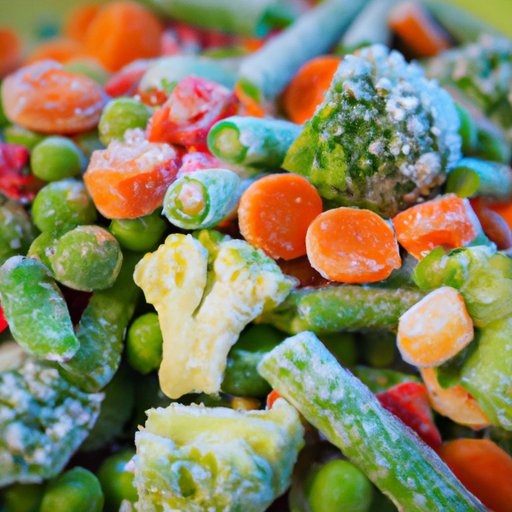
Frozen vegetables are an easy and affordable way to get your daily dose of essential vitamins and minerals. While fresh produce is often recommended for optimal nutrition, frozen veggies can provide similar levels of nutrients and can be just as healthy, depending on how they are prepared. In this article, we will explore the nutritional benefits and potential health risks associated with consuming frozen veggies, as well as tips for selecting and cooking them for maximum nutritional value.
Comparison of Nutritional Values Between Fresh and Frozen Veggies
When comparing the nutritional values of fresh and frozen veggies, it’s important to keep in mind that both types of produce have their advantages and disadvantages. For example, while fresh produce may contain more vitamins and minerals than frozen produce, frozen veggies may retain more antioxidants due to the freezing process.
In terms of vitamins and minerals, studies have shown that frozen produce can provide comparable levels of essential nutrients, such as vitamin C, folate, and potassium. One study even found that some frozen fruits and vegetables, such as spinach and blueberries, had higher levels of certain vitamins and minerals than their fresh counterparts.
When it comes to macronutrients, frozen veggies generally contain similar amounts of carbohydrates, protein, and fat as their fresh counterparts. However, it’s important to note that some frozen veggies may contain added salt, sugar, or fat, so it’s important to check labels carefully before buying.
Finally, when it comes to antioxidants, some studies have found that frozen produce may actually have higher levels than their fresh counterparts. This is because the freezing process helps to preserve these compounds, allowing them to remain intact until consumed. In addition, some frozen veggies are harvested and frozen at peak ripeness, which may also contribute to higher levels of antioxidants.

The Benefits of Eating Frozen Veggies
In addition to providing comparable levels of essential vitamins and minerals, there are several other benefits associated with eating frozen veggies. The most obvious benefit is convenience – frozen veggies are easy to store and take less time to prepare than fresh produce. They are also typically more affordable than fresh produce, making them an attractive option for people on a budget.
Another advantage of frozen veggies is that they are available year-round, meaning you don’t have to wait for certain fruits and vegetables to come into season. Finally, frozen veggies are usually picked and frozen at peak ripeness, so they tend to have higher levels of flavor and nutrition than produce that has been sitting on grocery store shelves for days or weeks.
Health Risks Associated with Consuming Frozen Veggies
While frozen veggies can be a nutritious and convenient option, there are some potential health risks associated with consuming them. One of the main concerns is that the freezing process can cause some nutrients to be lost, particularly water-soluble vitamins like vitamin C. Additionally, some frozen veggies may contain preservatives or additives, so it’s important to read labels carefully before purchasing.
How to Select the Best Frozen Veggies for Optimal Nutrition
When selecting frozen veggies, it’s important to read labels carefully and look for varieties that are low in added salt, sugar, and fat. It’s also a good idea to look for organic varieties, as they are typically free of synthetic pesticides and herbicides. Additionally, try to avoid over-processed varieties, as they may contain fewer nutrients.

Tips for Preparing Frozen Veggies for Maximum Nutritional Value
When preparing frozen veggies, it’s important to thaw them at room temperature or in the refrigerator, rather than using hot water. This will help to preserve the nutrients. Additionally, it’s best to cook frozen veggies quickly, either by steaming or stir-frying, as this will help to retain the most nutrients. Finally, adding herbs and spices can help to boost the flavor and nutrition of frozen veggies.

Cooking Techniques to Enhance the Nutritional Content of Frozen Veggies
There are several cooking techniques that can help to enhance the nutritional content of frozen veggies. Roasting, grilling, and stir-frying are all excellent options, as they use minimal oil and help to preserve the natural flavors and nutrients. Additionally, adding healthy fats, such as olive oil or avocado, can help to increase the absorption of certain vitamins and minerals.
Conclusion
Overall, frozen veggies can be a nutritious and convenient way to get your daily dose of essential vitamins and minerals. While there may be some potential health risks associated with consuming them, these can be minimized by selecting the right varieties and preparing them properly. With the right selection and preparation, frozen veggies can provide a healthy and cost-effective way to boost your daily nutrition.
(Note: Is this article not meeting your expectations? Do you have knowledge or insights to share? Unlock new opportunities and expand your reach by joining our authors team. Click Registration to join us and share your expertise with our readers.)