
Introduction
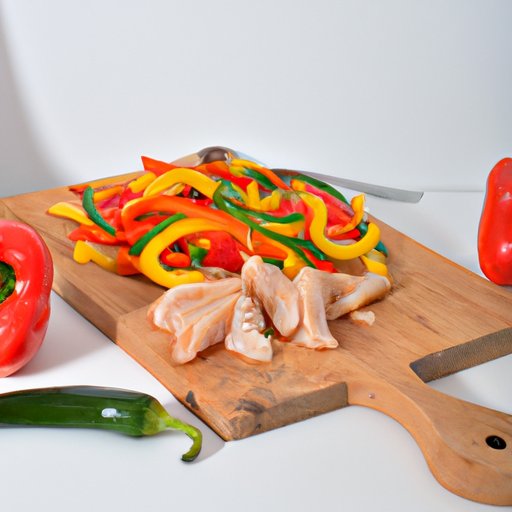
Fajitas are a popular Mexican dish made with thin strips of marinated meat or vegetables served with warm tortillas. While they are often thought of as an indulgent meal, there is more to them than meets the eye. Let’s take a closer look at their nutritional content and health benefits or risks associated with eating them.
Examining the Nutritional Content of Fajitas
The exact nutritional content of fajitas will vary depending on the ingredients used. A typical serving size of fajitas contains around 500-600 calories, 30-40 grams of protein, 10-15 grams of fat, and 40-50 grams of carbohydrates. They are also a source of several vitamins and minerals including iron, calcium, magnesium, and potassium.
Exploring the Health Benefits of Eating Fajitas
Fajitas can be a nutritious option if prepared correctly. Here are some of the potential health benefits of eating them:
- Source of Protein: Fajitas are a good source of protein, which can help build and maintain muscle mass. According to a study published in the journal Nutrition Reviews, consuming adequate amounts of protein may also reduce the risk of obesity, osteoporosis, and type 2 diabetes.
- Low in Saturated Fats: Fajitas are typically low in saturated fats, which have been linked to an increased risk of heart disease. A study in the American Journal of Clinical Nutrition found that diets high in saturated fats are associated with higher levels of “bad” LDL cholesterol and lower levels of “good” HDL cholesterol.
- Good Source of Vitamins and Minerals: Fajitas are a good source of several vitamins and minerals, including iron, calcium, magnesium, and potassium. These nutrients are essential for maintaining good health and can help protect against certain diseases such as anemia, osteoporosis, and hypertension.

Investigating the Health Risks of Eating Fajitas
Although fajitas can be a nutritious choice, there are some potential health risks associated with eating them. Here are some of the potential drawbacks:
- High in Sodium: Fajitas can be high in sodium, which can increase blood pressure and the risk of stroke and heart disease. A study in the journal BMC Medicine found that reducing dietary sodium intake can significantly reduce the risk of cardiovascular disease.
- High in Calories: Fajitas are typically high in calories, which can lead to weight gain if consumed in excess. A study in the journal Obesity Reviews found that an energy-restricted diet is the most effective way to achieve and maintain a healthy body weight.
- Risk of Contamination: There is also a risk of food contamination when preparing fajitas. A study in the journal Food Control found that poor hygiene practices during food preparation can increase the risk of foodborne illness.

How to Make Healthier Fajitas at Home
If you’re looking to make healthier fajitas at home, there are several steps you can take. Here are some tips to get you started:
- Use Leaner Meats: Instead of using ground beef, opt for leaner cuts of steak or chicken. This will help reduce the amount of saturated fat in your fajitas.
- Use Low-Sodium Ingredients: Look for low-sodium ingredients such as salsa, taco seasoning, and cheese. This will help keep your sodium intake under control.
- Add Vegetables: Add vegetables such as bell peppers and onions to your fajitas. Not only will this add flavor and texture, but it will also boost the nutritional content of your meal.

Comparing Traditional and Healthy Fajita Recipes
To give you an idea of the difference between a traditional fajita recipe and a healthier one, let’s compare two recipes. The first is a traditional recipe for steak fajitas:
- 1 lb. skirt steak
- 1/2 cup olive oil
- 1/4 cup lime juice
- 1 tsp. garlic powder
- 1 tsp. chili powder
- 1 tsp. cumin
- 1/2 tsp. paprika
- Salt and pepper to taste
- 1 onion, sliced
- 1 red bell pepper, sliced
- 8 flour tortillas
Now let’s take a look at a healthier alternative:
- 1 lb. lean flank steak
- 1/4 cup olive oil
- 1/4 cup balsamic vinegar
- 1 tsp. garlic powder
- 1 tsp. chili powder
- 1 tsp. cumin
- 1/2 tsp. paprika
- Salt and pepper to taste
- 1 onion, sliced
- 1 red bell pepper, sliced
- 1 green bell pepper, sliced
- 1 zucchini, sliced
- 6 whole wheat tortillas
Conclusion
In conclusion, fajitas can be a nutritious and flavorful meal when prepared correctly. They are a good source of protein and contain several vitamins and minerals. However, they can also be high in calories, sodium, and saturated fats, so it is important to choose leaner cuts of meat and use low-sodium ingredients. Additionally, adding vegetables to your fajitas can help boost the nutritional content of the meal. With these tips, you can enjoy a healthier version of this traditional Mexican dish.
Overall, fajitas can be a healthy option if prepared in the right way. They are a good source of protein, low in saturated fat, and contain several vitamins and minerals. However, they can also be high in sodium and calories, so it is important to be mindful of portion sizes and ingredients. With a few simple tweaks, you can enjoy a healthier version of this classic Mexican dish.
(Note: Is this article not meeting your expectations? Do you have knowledge or insights to share? Unlock new opportunities and expand your reach by joining our authors team. Click Registration to join us and share your expertise with our readers.)