

Introduction
Data science and machine learning are two terms that have become increasingly popular in recent years. But what do they actually mean, and how are they related? In this article, we’ll explore the differences between data science and machine learning, as well as the areas where they overlap. We’ll also look at how they interact with each other, and the impact they have on businesses and society.
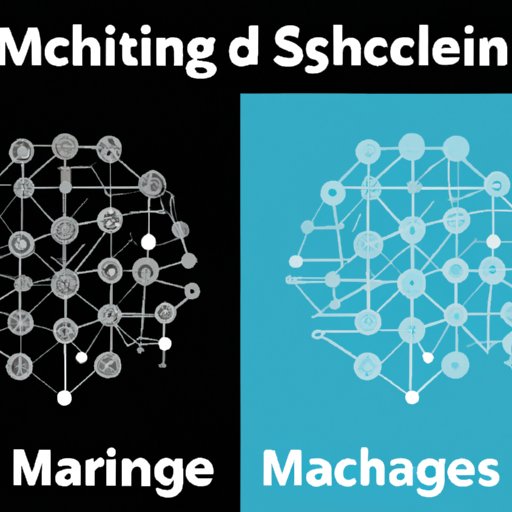
Exploring the Differences Between Data Science and Machine Learning
Data science and machine learning are often used interchangeably, but they are actually two distinct fields. To understand the differences between them, it’s important to first define each one.
What is Data Science?
Data science is a broad field that involves collecting and organizing large amounts of data, then using that data to answer questions or solve problems. According to Harvard Business Review, “Data science is about using automated methods to analyze massive amounts of data and to extract knowledge from them.” Data scientists use a variety of tools and techniques to process and analyze data, including statistical analysis, machine learning, and artificial intelligence.
What is Machine Learning?
Machine learning is a subset of artificial intelligence (AI) that focuses on building systems that can learn from data and make predictions. It uses algorithms to identify patterns in data and then uses those patterns to make decisions. As The Economist explains, “Machine learning algorithms search data for patterns, build models based on those patterns, and then make predictions and decisions based on the models.”
How Are They Different?
At a high level, data science and machine learning are different because data science is more focused on gathering and analyzing data, while machine learning is more focused on building models and making predictions. Data science is a broad field that encompasses machine learning, but machine learning is just one aspect of data science. As Forbes explains, “Data science is the umbrella term for the entire process of collecting and analyzing data, while machine learning is the specific technique used to build models from that data.”
Examining the Overlap of Data Science and Machine Learning
While data science and machine learning are different fields, there is also a significant amount of overlap between them. Both data science and machine learning involve collecting and analyzing data, and both use algorithms to identify patterns in data and make decisions.
What Areas Do They Overlap?
The areas where data science and machine learning overlap include: data collection and preparation, data analysis and visualization, predictive modeling, and decision-making. Data scientists and machine learning engineers both use algorithms to identify patterns in data and build models that can be used to make predictions. The main difference is that data scientists use a wider range of tools and techniques, while machine learning engineers focus more specifically on building models.
What Advantages Does This Provide?
The overlap between data science and machine learning provides several advantages. First, it allows data scientists to use machine learning techniques to gain insights into data that would otherwise be difficult to uncover. Additionally, machine learning engineers can benefit from the broader range of tools and techniques available to data scientists. This allows them to develop more sophisticated models that can produce better results.
An Overview of Data Science and Machine Learning
Now that we’ve explored the differences and overlap between data science and machine learning, let’s take a closer look at what tasks they can be used for. Both data science and machine learning can be used for a wide range of tasks, including predictive analytics, forecasting, optimization, and recommendation systems.
What Types of Tasks Can They Both Be Used For?
Data science and machine learning can both be used for predictive analytics, which involves using data to make predictions about future events. They can also be used for forecasting, which involves using data to predict future trends. Additionally, they can both be used for optimization, which involves finding the most efficient solution to a problem. Finally, they can be used for recommendation systems, which use data to suggest products or services to customers.
What Tools Are Available?
There are a wide range of tools available for data science and machine learning. Popular data science tools include Python, R, SQL, and Tableau. Popular machine learning tools include TensorFlow, Scikit-learn, and Keras. Additionally, there are many cloud-based services available for data science and machine learning, such as AWS, Google Cloud Platform, and Azure.
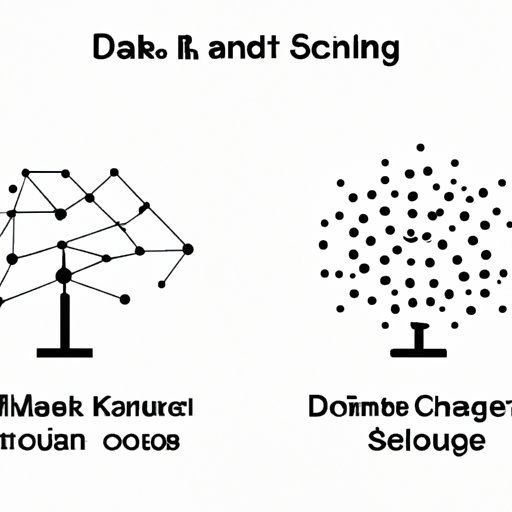
A Comparison of Data Science and Machine Learning
Now that we’ve explored the basics of data science and machine learning, let’s compare them to see when it’s best to use one or the other.
Advantages and Disadvantages of Each
Data science has several advantages over machine learning. Data scientists can use a wider range of tools and techniques to analyze data, and they can use their expertise in statistics and mathematics to gain deeper insights into the data. Additionally, data science projects typically require less computing power than machine learning projects. On the other hand, machine learning has the advantage of being able to make more accurate predictions than data science, since the models are built using algorithms that can learn from the data.
When to Use One or the Other
When deciding whether to use data science or machine learning, it’s important to consider the type of task you’re trying to accomplish. If you need to gain deeper insights into the data, then data science is the better choice. If you need to make predictions or recommendations, then machine learning is the better choice. Additionally, if you need to make decisions quickly, then machine learning is the better choice since it can use algorithms to make decisions in real time.
Investigating the Relationship Between Data Science and Machine Learning
Now that we’ve explored the differences and similarities between data science and machine learning, let’s look at how they work together.
How Do They Work Together?
Data science and machine learning can work together to provide more powerful insights and more accurate predictions. Data scientists can use their expertise in data analysis to identify patterns in the data, while machine learning engineers can use their expertise in algorithms to build powerful models that can make accurate predictions. By combining the two disciplines, businesses can gain a greater understanding of their data and use it to make better decisions.
What Results Can They Achieve?
When used together, data science and machine learning can be used to achieve a wide range of results. They can be used to improve customer engagement by providing personalized recommendations, to increase efficiency by optimizing processes, to reduce costs by automating tasks, and to improve safety by predicting potential risks.
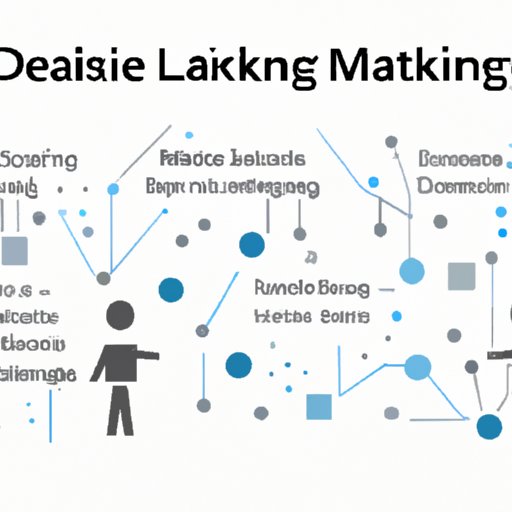
How Data Science and Machine Learning Interact
In addition to working together, data science and machine learning can also interact with each other. Different algorithms can be used to process data, and different models can be used to make predictions. By understanding the ways in which data science and machine learning interact, businesses can develop more powerful solutions that can produce better results.
How Do Different Algorithms Interact?
Data science and machine learning algorithms can interact in a number of ways. For example, data scientists can use supervised learning algorithms to identify patterns in the data, and then use those patterns to build models that can make predictions. Additionally, unsupervised learning algorithms can be used to identify clusters in the data, and then those clusters can be used to build more accurate models.
What Problems Can They Solve?
By combining data science and machine learning, businesses can solve a wide range of problems. For example, they can use data science to identify customer segments, and then use machine learning to make more accurate predictions about customer behavior. Additionally, they can use data science to identify opportunities for cost savings, and then use machine learning to automate those processes. The possibilities are endless.

Understanding the Impact of Data Science and Machine Learning
Finally, let’s look at the impact of data science and machine learning on businesses and society. These technologies are transforming the way businesses operate, and they are having a profound effect on our lives.
What Impact Do They Have on Businesses and Society?
Data science and machine learning are having a significant impact on businesses and society. They are enabling businesses to gain deeper insights into their customers, optimize their operations, and make better decisions. Additionally, they are enabling governments and organizations to better understand the world around us and make more informed decisions.
What Challenges Lie Ahead?
Despite the immense potential of data science and machine learning, there are still many challenges ahead. These technologies require large amounts of data, which can be difficult to collect and process. Additionally, they require highly skilled professionals to develop and deploy them. Finally, they must be used responsibly to ensure that personal data is protected and ethical considerations are taken into account.
Conclusion
Data science and machine learning are two fields that are often used interchangeably, but they are actually quite different. Data science is a broad field that involves collecting and analyzing data, while machine learning is a subset of AI that focuses on building models that can make predictions. Despite their differences, there is also a significant amount of overlap between the two fields, which provides several advantages. Finally, data science and machine learning are having a profound impact on businesses and society, and there are still many challenges ahead.
(Note: Is this article not meeting your expectations? Do you have knowledge or insights to share? Unlock new opportunities and expand your reach by joining our authors team. Click Registration to join us and share your expertise with our readers.)