

Introduction
Charcuterie boards are an increasingly popular snack and appetizer option. But what exactly is a charcuterie board? Charcuterie is a French term that refers to the art of preparing and presenting cured meats, cheeses, fruits, and other accompaniments. Charcuterie boards are composed of these various items and typically served as an appetizer or snack. While charcuterie boards can be incredibly delicious, are they also healthy?
Exploring the Nutritional Benefits of Charcuterie Boards
Charcuterie boards offer a variety of nutrients depending on the components included. Generally speaking, charcuterie boards offer a good source of protein, fat, and carbohydrates. The nutrient profile of a charcuterie board will depend on the specific items included. To get a better idea of the nutrition profile of a charcuterie board, let’s take a closer look at the macronutrients and micronutrients found in these boards.
Macronutrients in Charcuterie Boards
When it comes to macronutrients, charcuterie boards are usually a decent source of protein and fat, with some carbs thrown in as well. Protein sources such as cured meats, cheese, and nuts are typically included in charcuterie boards and provide a significant amount of protein. Fat sources such as cheese, nuts, olives, and cured meats are also included in many charcuterie boards and provide a good source of fat. Finally, carbs are typically found in charcuterie boards in the form of crackers, bread, fruit, and vegetables. In general, charcuterie boards offer a good balance of macronutrients depending on the items included.
Micronutrients in Charcuterie Boards
In addition to macronutrients, charcuterie boards also provide a variety of micronutrients. Many of the items included in charcuterie boards provide important vitamins and minerals. For example, cured meats such as salami and prosciutto are excellent sources of B vitamins, while cheese is a great source of calcium and phosphorus. Additionally, fruits and vegetables are usually included in charcuterie boards and provide a variety of vitamins and minerals, including vitamin C, potassium, and folate. Nuts and seeds are also often included in charcuterie boards and provide important micronutrients such as magnesium, zinc, and iron.
How to Create a Healthy Charcuterie Board
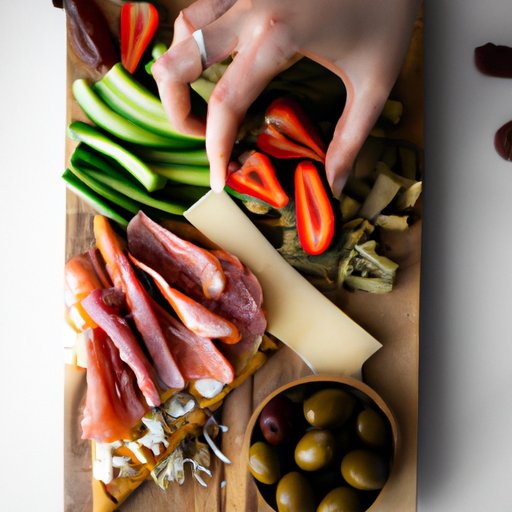
Now that we’ve explored the nutrition profile of charcuterie boards, let’s look at how to create a healthy board. When creating a charcuterie board, it’s important to choose quality meats and cheeses as the base of the board. Look for meats and cheeses that are minimally processed and made with natural ingredients. Additionally, opt for leaner cuts of meat and lower-fat cheeses. Incorporating vegetables and fruits into your charcuterie board is a great way to add more nutrients. Choose a variety of colors and textures when selecting vegetables and fruits for your board. Nuts and seeds are another great way to add more nutrition to your board. Choose unsalted varieties and look for ones that are high in fiber and healthy fats. Finally, adding whole grains to your board is a great way to add more fiber and complex carbohydrates. Whole grain crackers, breads, and wraps are all great additions to a charcuterie board.
Health Benefits of Different Meats and Cheeses Used in Charcuterie Boards
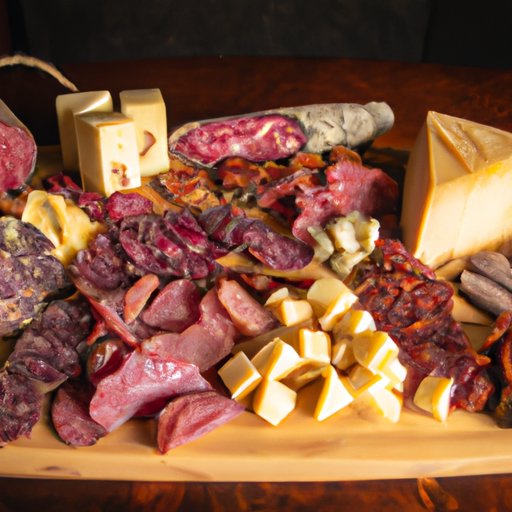
The meats and cheeses used in charcuterie boards can provide a variety of health benefits. Beef is a great source of protein and contains beneficial nutrients such as iron, zinc, and B vitamins. Pork is another great source of protein and contains important micronutrients such as B vitamins, selenium, and zinc. Chicken is an excellent source of lean protein and is low in saturated fat. Cheese is a great source of calcium and phosphorus, and can also provide additional nutrients such as vitamin A and riboflavin. Seafood, such as smoked salmon and tuna, is rich in omega-3 fatty acids and can provide important nutrients such as vitamin B12 and selenium.
Charcuterie Boards as a Healthy Snack Option
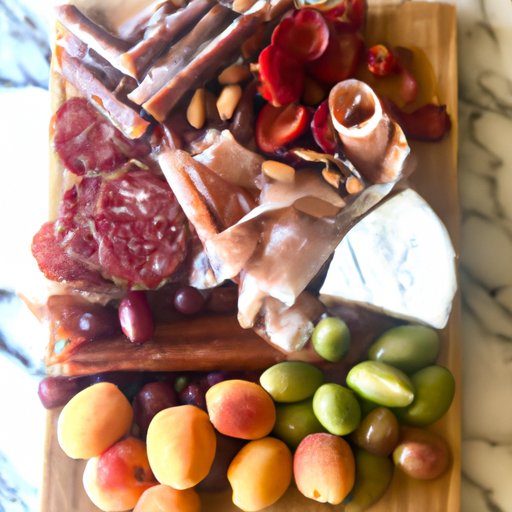
Charcuterie boards can be an excellent option for a healthy snack. Depending on the items chosen, charcuterie boards can be low in calories, high in protein, and a healthier alternative to high-calorie snacks. When creating a charcuterie board, opt for leaner meats and lower-fat cheeses. Incorporate plenty of vegetables and fruits, as well as nuts and seeds. Whole grain crackers, breads, and wraps are also great options for adding more complex carbohydrates to your board. By following these guidelines, you can create a charcuterie board that is both delicious and nutritious.
Is it Possible to Make a Low-Calorie Charcuterie Board?
It is possible to make a low-calorie charcuterie board. When creating a low-calorie board, opt for leaner meats and lower-fat cheeses. Incorporate plenty of vegetables and fruits, as well as nuts and seeds. Opt for whole grain crackers, breads, and wraps instead of white flour-based products. Additionally, choose leaner proteins such as chicken, turkey, and fish. You can also opt for lighter versions of your favorite cheeses, such as feta or goat cheese. Here are some examples of low-calorie charcuterie boards:
- Whole wheat crackers, sliced turkey, cucumbers, cherry tomatoes, olives, feta cheese
- Whole grain pita chips, smoked salmon, red peppers, celery, goat cheese
- Whole wheat wrap, grilled chicken, bell peppers, carrots, hummus
Charcuterie Boards as Part of a Balanced Diet
When enjoyed in moderation, charcuterie boards can be part of a balanced diet. It’s important to remember to enjoy the board in moderation and not overindulge. Additionally, it’s important to focus on choosing a variety of foods and aiming for a balance of macronutrients. Aim for a balance of protein, fat, and carbohydrates. Additionally, include plenty of vegetables and fruits, as well as nuts and seeds. By doing so, you can create a charcuterie board that is both delicious and nutritious.
Conclusion
Charcuterie boards can be a delicious and nutritious snack or appetizer option. They offer a variety of nutrients, including protein, fat, carbohydrates, vitamins, and minerals. When creating a charcuterie board, it’s important to choose quality meats and cheeses, incorporate plenty of vegetables and fruits, and add nuts and seeds. Additionally, it’s important to focus on a balance of macronutrients and aim for a variety of foods. With these tips, you can create a charcuterie board that is both delicious and nutritious.
(Note: Is this article not meeting your expectations? Do you have knowledge or insights to share? Unlock new opportunities and expand your reach by joining our authors team. Click Registration to join us and share your expertise with our readers.)