
Introduction
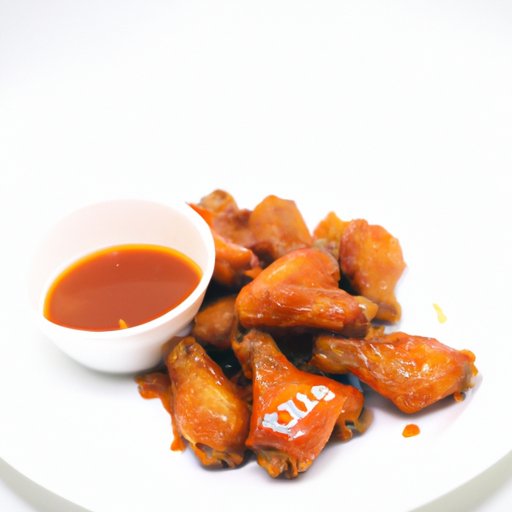
Buffalo wings are a popular dish in the United States. They are chicken wings that have been deep-fried and coated with a spicy sauce. The origins of the dish are disputed, but it is believed to have originated in the city of Buffalo, New York.
The purpose of this article is to explore whether buffalo wings are healthy. We will examine the nutritional profile of buffalo wings, explore the potential benefits and risks of eating them, debunk some common myths about their healthiness, investigate the role of hot sauce used in buffalo wings, compare the nutrition of homemade vs. store-bought wings, evaluate the health impacts of frequently eating buffalo wings, and look at how they can fit into a balanced diet.
Examining the Nutritional Profile of Buffalo Wings
When it comes to the nutritional profile of buffalo wings, there are several factors to consider. Let’s take a closer look at the macronutrients, vitamins and minerals, and calories found in buffalo wings.
Macronutrients
A typical serving of buffalo wings (4 ounces) contains 13 grams of protein, 16 grams of fat, and 0 grams of carbohydrates. The protein content comes from the chicken, while the fat content is mostly due to the frying process. The lack of carbohydrates is due to the fact that buffalo wings do not contain any starches or sugars.
Vitamins and Minerals
Buffalo wings also contain a variety of vitamins and minerals. These include vitamin A, vitamin B6, vitamin B12, iron, zinc, and selenium. Vitamin A helps maintain healthy vision, while vitamin B6 and B12 are important for energy production. Iron aids in red blood cell formation, zinc helps with wound healing, and selenium is an essential mineral for immunity.
Calories
A 4-ounce serving of buffalo wings contains approximately 200 calories. This is higher than many other types of meat, such as chicken breast, which typically contains around 120 calories per 4-ounce serving. The additional calories come from the frying process and the sauce.

Pros and Cons of Eating Buffalo Wings
Now that we have looked at the nutritional profile of buffalo wings, let’s take a closer look at the pros and cons of eating them.
Benefits
One of the main benefits of eating buffalo wings is that they are a good source of protein. Protein is an important nutrient for muscle growth and repair, as well as for maintaining a healthy immune system. Buffalo wings also provide a variety of vitamins and minerals, which are essential for optimal health. Furthermore, they can be a great source of flavor and satisfaction when eaten in moderation.
Risks
However, there are also some risks associated with eating buffalo wings. As mentioned earlier, a 4-ounce serving contains 200 calories, which is higher than many other types of meat. Additionally, buffalo wings contain a large amount of fat, most of which is unhealthy saturated fat. Eating too much saturated fat can increase the risk of heart disease and stroke. Finally, buffalo wings are often served with sugary sauces or dips, which can add extra calories and sugar to the meal.
Debunking Common Myths about Buffalo Wings and Health
There are many myths surrounding the healthiness of buffalo wings. Let’s take a look at three of the most common ones.
Myth #1: Buffalo Wings Are Low in Calories
As we discussed earlier, a 4-ounce serving of buffalo wings contains approximately 200 calories. While this is lower than some other fried foods, such as french fries, it is still relatively high. Therefore, this myth is untrue.
Myth #2: Buffalo Wings Are High in Protein
While buffalo wings do contain some protein, they are not particularly high in protein. A 4-ounce serving contains just 13 grams of protein, which is lower than many other types of meat. Therefore, this myth is also untrue.
Myth #3: Buffalo Wings Are Healthy
This myth is also untrue. While buffalo wings can be part of a balanced diet, they should be eaten in moderation due to their high calorie and fat content. Eating too many buffalo wings can lead to weight gain and increased risk of heart disease.

Exploring the Health Benefits of Hot Sauce Used in Buffalo Wings
Hot sauce is one of the key ingredients in buffalo wings. It adds flavor and spice, but it also has some potential health benefits. Let’s take a closer look at what research has to say.
Antioxidants
Hot sauce contains antioxidants, which are compounds that help protect the body from cell damage caused by free radicals. Research has shown that hot sauce can help reduce inflammation and improve heart health. For example, one study found that consuming 1 tablespoon of hot sauce daily was associated with a lower risk of hypertension and heart disease.
Anti-inflammatory Properties
In addition to its antioxidant content, hot sauce also has anti-inflammatory properties. Studies have shown that consuming hot sauce can reduce inflammation in the body, which can help improve overall health and reduce the risk of chronic diseases.
Improved Digestion
Finally, hot sauce can help improve digestion. Hot sauce contains capsaicin, which stimulates the digestive system and increases the secretion of stomach acid. This can help break down food more efficiently, leading to improved digestion.
Comparing the Nutrition of Homemade vs. Store-bought Buffalo Wings
When it comes to the nutrition of buffalo wings, it is important to consider the quality of the ingredients used. Let’s compare the nutrition of homemade vs. store-bought buffalo wings.
Quality of Ingredients
Store-bought buffalo wings are often made with lower quality ingredients, such as processed flour and artificial flavors. On the other hand, homemade buffalo wings can be made with fresh, high quality ingredients, such as whole wheat flour and natural spices. This can make a big difference in terms of nutrition.
Nutrient Content
When it comes to the nutrient content of buffalo wings, homemade wings tend to be higher in protein and lower in fat and calories than store-bought wings. This is because homemade wings are usually made with leaner cuts of meat and fewer additives. Additionally, homemade wings can be cooked in healthier ways, such as baking or air-frying, rather than deep-frying.

Evaluating the Health Impacts of Frequently Eating Buffalo Wings
Eating buffalo wings on a regular basis can have some negative health impacts. Let’s take a closer look at some of the potential risks.
Potential Weight Gain
Frequent consumption of buffalo wings can lead to weight gain. This is due to the high calorie and fat content of the dish. Additionally, buffalo wings are often served with high calorie sides, such as French fries or coleslaw, which can add even more calories to the meal.
Increased Risk of Diabetes
Studies have shown that eating a diet high in saturated fat can increase the risk of type 2 diabetes. Since buffalo wings are high in saturated fat, eating them on a regular basis can increase the risk of developing diabetes.
Heart Disease Risks
Eating too many buffalo wings can also increase the risk of heart disease. This is because buffalo wings are high in saturated fat, which can raise cholesterol levels and increase the risk of cardiovascular disease.
Investigating the Role of Buffalo Wings in a Balanced Diet
Despite the potential risks of eating buffalo wings, they can still be part of a balanced diet. Here are some tips for incorporating them into your diet in a healthy way.
Moderation
The key to eating buffalo wings in a healthy way is moderation. Eating them once in a while is fine, but eating them too often can lead to health problems. It is best to stick to smaller portions and limit your intake to once or twice a week.
Alternatives
If you love the flavor of buffalo wings but want to avoid the unhealthy aspects, there are some healthier alternatives. For example, you could try making oven-baked buffalo wings instead of deep-fried. You can also opt for grilled chicken wings instead of fried ones. Additionally, you could use hot sauce sparingly, or substitute it with a healthier alternative, such as salsa.
Conclusion
In conclusion, buffalo wings can be part of a balanced diet if eaten in moderation. However, they should not be eaten too often due to their high calorie and fat content. Additionally, it is important to consider the quality of the ingredients used and opt for healthier cooking methods, such as baking or air-frying. Finally, hot sauce can provide some potential health benefits, but it should be consumed in moderation as well. By following these tips, you can enjoy the taste of buffalo wings without compromising your health.
(Note: Is this article not meeting your expectations? Do you have knowledge or insights to share? Unlock new opportunities and expand your reach by joining our authors team. Click Registration to join us and share your expertise with our readers.)