
Introduction
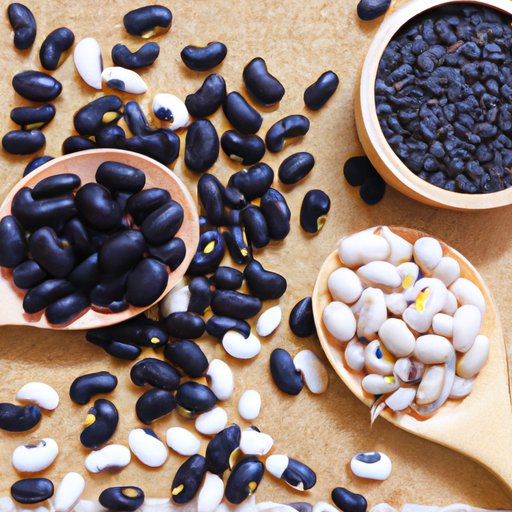
Beans are a great source of plant-based protein and are found in many traditional dishes around the world. While all types of beans offer various health benefits, some may be more beneficial than others. In particular, there is an ongoing debate about whether black beans or pinto beans are healthier for you. This article will explore the nutritional differences between these two types of beans and examine the potential health benefits of consuming each one.
A Comparison of the Nutritional Benefits of Black Beans and Pinto Beans
Black beans and pinto beans both have unique nutritional profiles that provide various health benefits. In order to compare the two, it is important to look at the nutrient content of each bean.
Nutrient Content of Black Beans
According to the USDA, a one-cup serving of cooked black beans contains:
- Calories: 227
- Protein: 15.2 grams
- Carbohydrates: 41.2 grams
- Fat: 0.9 grams
- Fiber: 15 grams
- Vitamins and minerals: Thiamin, riboflavin, niacin, folate, iron, magnesium, phosphorus, potassium, zinc, copper, manganese, selenium
Nutrient Content of Pinto Beans
A one-cup serving of cooked pinto beans contains:
- Calories: 245
- Protein: 15.4 grams
- Carbohydrates: 45 grams
- Fat: 1 gram
- Fiber: 15.4 grams
- Vitamins and minerals: Thiamin, riboflavin, niacin, folate, iron, magnesium, phosphorus, potassium, zinc, copper, manganese, selenium
Which Bean Is Healthier for You: Black or Pinto?
The answer to this question depends on the individual’s dietary needs and goals. Both black beans and pinto beans offer a variety of nutrients and health benefits, so neither can be said to be definitively better than the other. However, when comparing the two side by side, there are certain factors that can help determine which one is best for you.
Comparing Macronutrients
When it comes to macronutrients, black beans and pinto beans are fairly similar. Both contain around 15 grams of protein and 15 grams of fiber per one-cup serving. Pinto beans do have slightly more carbohydrates than black beans (45 grams vs. 41.2 grams), but the difference is not significant enough to make a major impact on most people’s diets.
Comparing Micronutrients
Black beans and pinto beans both contain a wide range of vitamins and minerals, including thiamin, riboflavin, niacin, folate, iron, magnesium, phosphorus, potassium, zinc, copper, manganese, and selenium. However, black beans contain slightly higher levels of some of these micronutrients, such as iron, magnesium, and zinc.

Exploring the Health Benefits of Black Beans vs. Pinto Beans
Both black beans and pinto beans offer numerous health benefits, but there are certain aspects in which one bean may be more beneficial than the other. For example:
Antioxidant Benefits
Black beans contain higher levels of antioxidants than pinto beans, according to a study published in the Journal of Agricultural and Food Chemistry. The study found that black beans had “significantly higher antioxidant activity” than pinto beans, suggesting that they may be better at protecting against damage caused by free radicals.
Fiber Content
Both black beans and pinto beans are excellent sources of dietary fiber. Fiber helps to keep your digestive system healthy and can also help lower cholesterol levels and reduce the risk of heart disease. However, black beans contain slightly more fiber than pinto beans (15 grams vs. 15.4 grams).
Protein Content
Protein is essential for building and maintaining muscle mass, and both black beans and pinto beans are good sources of plant-based protein. However, black beans contain slightly more protein per serving (15.2 grams vs. 15.4 grams).
Starch Content
Starch is a complex carbohydrate that provides energy and can help regulate blood sugar levels. Pinto beans contain slightly more starch than black beans (45 grams vs. 41.2 grams). This may make pinto beans a better choice for those with diabetes who need to regulate their blood sugar levels.

The Pros and Cons of Eating Black Beans Instead of Pinto Beans
There are both pros and cons to eating black beans instead of pinto beans. Here are some of the key points to consider:
Pros
- Higher levels of antioxidants
- Slightly higher fiber content
- Slightly higher protein content
Cons
- Lower starch content than pinto beans
- Some people may find the flavor of black beans unappealing
Comparing the Nutritional Value of Black Beans to Pinto Beans
When comparing the nutritional value of black beans and pinto beans, there are several factors to consider. Here are some of the key points to keep in mind:
Vitamins and Minerals
Both black beans and pinto beans are rich in vitamins and minerals, including thiamin, riboflavin, niacin, folate, iron, magnesium, phosphorus, potassium, zinc, copper, manganese, and selenium. However, black beans contain slightly higher levels of some of these micronutrients, such as iron, magnesium, and zinc.
Other Nutrients
Black beans and pinto beans are both excellent sources of dietary fiber, with black beans containing slightly more per serving. In terms of protein, black beans contain slightly more than pinto beans. Black beans are also higher in antioxidants than pinto beans.

The Health Benefits of Adding Black Beans to Your Diet vs. Pinto Beans
Adding either black beans or pinto beans to your diet can provide various health benefits. Here are some of the key points to consider:
Weight Loss
Beans are an excellent source of plant-based protein, making them a great option for those looking to lose weight. Additionally, beans are high in fiber, which can help keep you feeling fuller for longer and reduce cravings.
Heart Health
Beans are a great source of soluble fiber, which has been shown to help reduce cholesterol levels and reduce the risk of heart disease. Additionally, beans are low in fat and contain important vitamins and minerals that can help promote heart health.
Diabetes Management
The high fiber and low glycemic index of beans can help regulate blood sugar levels and make them a great choice for those with diabetes. Pinto beans in particular may be beneficial due to their higher starch content.
Conclusion
In conclusion, both black beans and pinto beans offer numerous health benefits. When it comes to macronutrients, the two types of beans are fairly similar, but black beans contain slightly higher levels of some micronutrients, such as iron, magnesium, and zinc. Additionally, black beans contain higher levels of antioxidants than pinto beans. Ultimately, the choice between black beans and pinto beans will depend on the individual’s dietary needs and goals.
(Note: Is this article not meeting your expectations? Do you have knowledge or insights to share? Unlock new opportunities and expand your reach by joining our authors team. Click Registration to join us and share your expertise with our readers.)