
Introduction
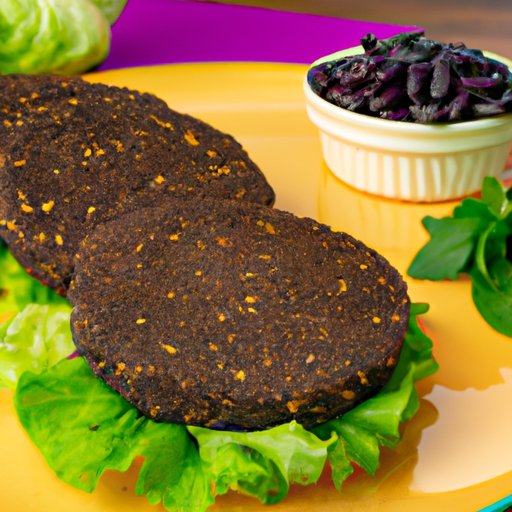
Black bean burgers are an increasingly popular plant-based alternative to traditional beef hamburgers. Made with a combination of black beans, grains, and spices, these veggie burgers offer a nutritious meatless option for those looking to reduce their intake of animal products. But is a black bean burger actually healthy? In this article, we’ll explore the health benefits, environmental impact, and popularity of this plant-based food.
What are Black Bean Burgers?
Black bean burgers are a type of veggie burger that uses black beans as the main ingredient. They can be made from dried or canned black beans, as well as other ingredients such as grains, vegetables, herbs, and spices. The combination of ingredients varies depending on the recipe, but the end result is a burger that resembles a traditional hamburger in both taste and texture.
Overview of the Health Benefits of Black Bean Burgers
Black bean burgers offer numerous health benefits compared to traditional beef burgers. According to a study published in the Nutrition Journal, black bean burgers are lower in calories, fat, and saturated fat than traditional beef burgers. Additionally, they are higher in fiber and plant-based protein, making them an excellent source of nutrients for vegetarians and vegans. Furthermore, black bean burgers are cholesterol-free and provide essential vitamins and minerals such as iron, calcium, and potassium.
How Black Bean Burgers Compare to Traditional Hamburgers
Nutrient Content Comparison
When comparing the nutrient content of black bean burgers and traditional hamburgers, there are several key differences. A 3-ounce serving of a traditional beef burger contains approximately 220 calories, 16 grams of fat, and 6 grams of saturated fat. In contrast, a 3-ounce serving of a black bean burger contains only 140 calories, 2 grams of fat, and 0 grams of saturated fat. Additionally, black bean burgers are higher in dietary fiber and plant-based protein than traditional beef burgers.
Taste and Texture Comparison
The taste and texture of black bean burgers are often comparable to traditional hamburgers. According to registered dietitian nutritionist and spokesperson for the Academy of Nutrition and Dietetics, Alicia Romano, “Many people find that when cooked properly, black bean burgers have a similar texture to beef burgers, making them a great substitute.”
Creating Delicious and Healthy Black Bean Burger Recipes
Tips for Creating Tasty Black Bean Burgers
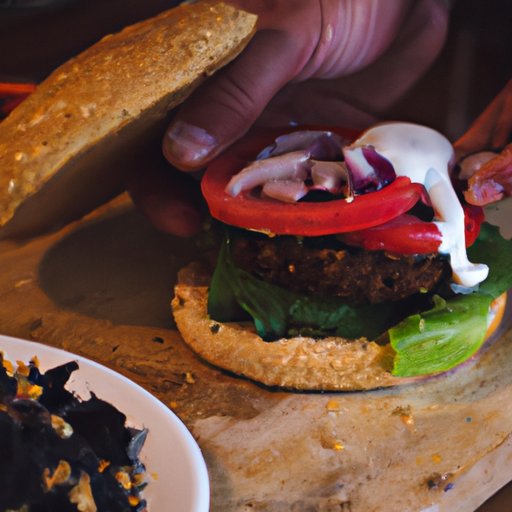
In order to make a delicious black bean burger, it’s important to use the right combination of ingredients. Registered dietitian nutritionist and author of Love Your Leftovers, Lisa Hayim, suggests adding roasted vegetables, nuts, and seeds to your black bean burger mix for additional flavor and texture. She also recommends using a food processor to help combine the ingredients together and create a patty that holds its shape.
Popular Ingredients and Seasoning Options
Popular ingredients used to make black bean burgers include black beans, quinoa, oats, flaxseed, sunflower seeds, and mushrooms. To add flavor, you can also try adding herbs and spices such as garlic powder, cumin, chili powder, and oregano. You can also experiment with different toppings such as avocado, salsa, and vegan cheese.
Comparing Nutrient Content of Black Bean Burgers to Other Plant-Based Options
When comparing the nutrient content of black bean burgers to other plant-based options, there are several key differences. Here’s a look at the protein, carbohydrate, fat, and vitamin and mineral content of black bean burgers compared to other plant-based foods.
Protein Content
Black bean burgers are an excellent source of plant-based protein. A 3-ounce serving of a black bean burger contains 12 grams of protein, which is comparable to the amount of protein found in a 3-ounce serving of grilled chicken breast (13 grams). They also contain more protein than tempeh (10 grams) and tofu (8 grams).
Carbohydrate Content
Black bean burgers are high in carbohydrates. A 3-ounce serving of a black bean burger contains 25 grams of carbohydrates, which is comparable to the amount of carbohydrates found in a 3-ounce serving of white rice (26 grams). They also contain more carbohydrates than quinoa (20 grams) and lentils (18 grams).
Fat Content
Black bean burgers are low in fat. A 3-ounce serving of a black bean burger contains 2 grams of fat, which is significantly lower than the amount of fat found in a 3-ounce serving of salmon (11 grams). They also contain less fat than almonds (14 grams) and walnuts (18 grams).
Vitamin and Mineral Content
Black bean burgers are a good source of vitamins and minerals. They contain significant amounts of iron, calcium, and potassium, as well as other essential vitamins and minerals such as magnesium, phosphorus, zinc, and B vitamins. Additionally, black bean burgers are rich in antioxidants, which may help reduce inflammation and protect against disease.

Examining the Environmental Impact of Black Bean Burgers
The Sustainability of Black Beans
Black beans are a sustainable crop, meaning they can be grown without depleting resources or contributing to environmental degradation. According to a study published in the Journal of Cleaner Production, black beans have a relatively low environmental footprint compared to other legumes. Additionally, black beans require less water and fertilizer than other pulses, making them a more sustainable choice.
The Production Process of Black Bean Burgers
The production process of black bean burgers also has a minimal environmental impact. Unlike traditional beef burgers, black bean burgers do not require large amounts of land or resources to produce. Additionally, black bean burgers are typically packaged in recyclable or compostable materials, making them an eco-friendly option.
Understanding the Pros and Cons of Eating a Black Bean Burger
Health Benefits
Eating black bean burgers offers numerous health benefits. As mentioned earlier, black bean burgers are lower in calories, fat, and saturated fat than traditional beef burgers. Additionally, they are a good source of plant-based protein, dietary fiber, vitamins, and minerals. For those following a vegetarian or vegan diet, black bean burgers can be an excellent source of nutrients.
Potential Drawbacks
Although black bean burgers offer many health benefits, there are some potential drawbacks to consider. For example, black bean burgers are high in carbohydrates, so they may not be suitable for those following a low-carb diet. Additionally, store-bought black bean burgers may contain added sugars, sodium, and preservatives, so it’s important to read the label before purchasing.
Investigating the Popularity of Black Bean Burgers in Vegan Diets
The Rise in Veganism
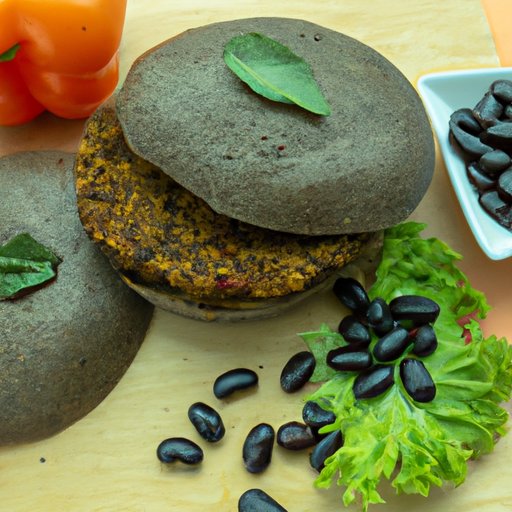
The popularity of black bean burgers has increased in recent years due to the rise in veganism. According to a survey conducted by the Plant-Based Foods Association, the number of Americans who identify as vegan has nearly doubled since 2009, with an estimated 7.5 million people following a vegan diet in 2019.
Reasons Why Black Bean Burgers Are Popular with Vegans
Black bean burgers are a popular choice among vegans because they are easy to prepare, versatile, and nutritious. They also provide a flavorful and satisfying alternative to traditional beef burgers. Additionally, black bean burgers are widely available in supermarkets and restaurants, making them an accessible and convenient option for vegans.
Conclusion
Black bean burgers can be a nutritious and delicious plant-based alternative to traditional beef burgers. They are lower in calories, fat, and saturated fat than traditional beef burgers, and they are a good source of dietary fiber, plant-based protein, vitamins, and minerals. Additionally, black bean burgers have a minimal environmental impact and can be a popular choice for those following a vegan diet. However, it’s important to note that black bean burgers are high in carbohydrates, and store-bought varieties may contain added sugars, sodium, and preservatives.
(Note: Is this article not meeting your expectations? Do you have knowledge or insights to share? Unlock new opportunities and expand your reach by joining our authors team. Click Registration to join us and share your expertise with our readers.)