
Introduction
Beans are a nutritious and versatile ingredient that can be easily incorporated into many different meals and snacks. Not only are they affordable and widely available, but they also offer a range of health benefits that make them a great choice for anyone looking to improve their overall diet and nutrition. In this article, we will explore the health benefits of eating beans and provide a comprehensive guide to incorporating them into your diet for maximum benefit.

Exploring the Health Benefits of Eating Beans
Beans are an excellent source of protein, dietary fiber, vitamins and minerals. They are also low in fat and calories, making them a healthy choice for those looking to maintain or lose weight. But the health benefits of eating beans don’t stop there. Studies have found that beans can help improve digestion, reduce cholesterol levels, and even lower the risk of certain diseases such as heart disease and type 2 diabetes.
Nutritional Value of Beans
Beans are rich in a variety of essential nutrients, including protein, dietary fiber, vitamins and minerals. A single cup of cooked beans provides about 15 grams of protein and 10 grams of dietary fiber. They are also a good source of folate, iron, magnesium, potassium, and zinc. Additionally, beans are naturally low in fat and calories, making them a great choice for those looking to maintain or lose weight.
Benefits to Digestion and Weight Management
The high fiber content of beans makes them a great choice for promoting healthy digestion. Fiber helps to keep you feeling full longer, which can lead to reduced calorie intake and ultimately help with weight loss. Additionally, fiber helps to reduce constipation and other digestive issues. According to Dr. David Heber, director of the UCLA Center for Human Nutrition, “Beans are a great source of dietary fiber, which is essential for optimal digestion and bowel regularity.”
Potential for Reducing Risk of Certain Diseases
Eating beans can also help reduce the risk of certain diseases. Studies have shown that consuming beans can help lower cholesterol levels, which can decrease the risk of heart disease. Additionally, beans are a good source of magnesium, which has been linked to a decreased risk of type 2 diabetes. A study published in the American Journal of Clinical Nutrition found that “increased magnesium intake was associated with a decreased risk of type 2 diabetes.”

A Comprehensive Guide to Eating Beans for Optimal Nutrition
There are a variety of different types of beans available, each with its own unique flavor and nutritional profile. Here is a comprehensive guide to eating beans for optimal nutrition:
Types of Beans Available
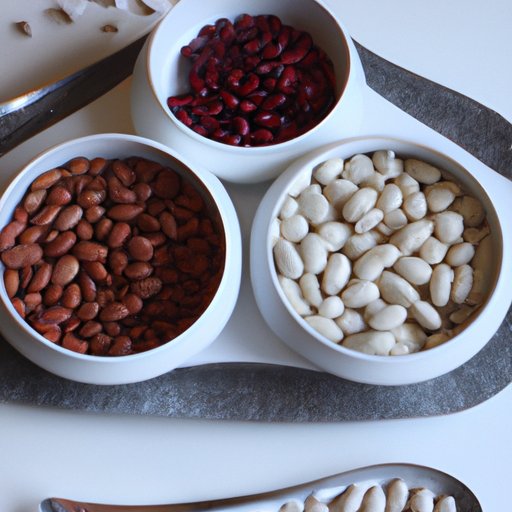
Common types of beans include kidney beans, black beans, pinto beans, navy beans, garbanzo beans, and white beans. Each type of bean offers its own unique flavor and nutritional profile, so it’s important to experiment to find the ones that best suit your taste buds and nutritional needs.
Recommended Servings
The recommended serving size for beans is 1/2 cup cooked beans per day. This amount provides about 7-8 grams of protein and 5-6 grams of dietary fiber. It’s also important to note that canned beans tend to contain higher levels of sodium, so it’s best to opt for dried beans when possible.
Tips for Incorporating Beans into Your Diet
Beans can be easily incorporated into many different meals and snacks. Try adding them to soups, salads, tacos, burritos, and chili. You can also make bean dips, hummus, and veggie burgers. For a quick snack, try roasting chickpeas in the oven with your favorite seasonings.

How to Incorporate Beans into Your Diet for Maximum Health Benefits
Incorporating beans into your diet is simple and easy. Here are some tips for making beans a part of your everyday diet:
Meal Planning with Beans
One of the easiest ways to incorporate beans into your diet is by meal planning with them. Start by deciding what types of beans you want to use, then choose a few recipes that feature them. You can also make a big batch of beans at the beginning of the week and use them throughout the week in different meals and snacks.
Recipes for Making Delicious Bean Dishes
If you’re looking for ideas on how to incorporate beans into your diet, there are plenty of delicious recipes available online. From bean salads to bean tacos, you’ll be sure to find something that you love. Some of our favorite recipes include black bean soup, lentil shepherd’s pie, and roasted chickpeas.
Ideas for Snacks Featuring Beans
Beans make a great addition to any snack. Try making a batch of homemade hummus and serve it with fresh veggies or whole grain crackers. Roasted chickpeas are also a delicious and crunchy snack. For a sweet treat, try making bean brownies or banana-bean muffins.
Tips and Tricks for Making Beans a Part of Your Everyday Diet
Making beans a part of your everyday diet doesn’t have to be difficult. Here are some tips and tricks for making beans a regular part of your diet:
Preparing Beans Ahead of Time
To save time, try preparing beans ahead of time. Soak and cook a big batch of beans and store them in the refrigerator or freezer. This way, you’ll always have cooked beans on hand to add to soups, salads, and other dishes.
Storing Beans to Maintain Freshness
Be sure to store cooked beans in an airtight container in the refrigerator for up to five days. Cooked beans can also be frozen for up to six months. To maintain freshness, be sure to label and date the containers before storing them in the refrigerator or freezer.
Easy Ways to Add Beans to Meals
Adding beans to your meals doesn’t have to be complicated. Try adding them to soups, salads, tacos, and burritos. You can also make bean dips, hummus, and veggie burgers. Beans can also be added to smoothies or oatmeal for an extra boost of protein and fiber.
The Pros and Cons of Eating Beans: Is it Really Healthy?
Eating beans has a range of potential health benefits, but there are also some drawbacks to consider. Here are the pros and cons of eating beans:
Advantages of Eating Beans
The main advantage of eating beans is the potential health benefits. Beans are a great source of protein, dietary fiber, vitamins, and minerals. They are also low in fat and calories, making them a healthy choice for those looking to maintain or lose weight. Eating beans can also help improve digestion and reduce the risk of certain diseases such as heart disease and type 2 diabetes.
Disadvantages of Eating Beans
The main disadvantage of eating beans is the potential for flatulence and bloating. Beans are high in fiber and can cause digestive discomfort in some people. Additionally, canned beans tend to contain higher levels of sodium, so it’s best to opt for dried beans when possible. Finally, some people may experience allergic reactions to certain types of beans.
Final Thoughts on the Health Benefits of Beans
Overall, the health benefits of eating beans outweigh the potential drawbacks. Beans are a nutritious and versatile ingredient that can be easily incorporated into many different meals and snacks. Not only are they affordable and widely available, but they also offer a range of health benefits that make them a great choice for anyone looking to improve their overall diet and nutrition.
Conclusion
In conclusion, beans are a great addition to any diet. They are a nutritious and versatile ingredient that offer a range of health benefits, from improved digestion to reduced risk of certain diseases. By following the tips outlined in this article, you can easily incorporate beans into your diet for maximum benefit.
(Note: Is this article not meeting your expectations? Do you have knowledge or insights to share? Unlock new opportunities and expand your reach by joining our authors team. Click Registration to join us and share your expertise with our readers.)