

Introduction
We are living in an age of technological advancement, where algorithms and artificial intelligence (AI) have become integral parts of our everyday lives. As more and more technology is developed, it is important to understand what these technologies are, how they work, and the potential implications they may have on humanity. In this article, we will explore the role of algorithms and AI in society, the impact of AI on human lives, and the ethical implications of using algorithms and AI.

Definition of Algorithms and AI
An algorithm is a set of instructions or rules that are used to solve a problem or complete a task. Algorithms can be used for a variety of tasks, such as sorting data, predicting outcomes, and making decisions. Artificial intelligence, on the other hand, is the use of computer systems to simulate human intelligence and behavior. AI can be used to perform tasks that typically require human intelligence, such as recognizing patterns, learning from past experiences, and making decisions.
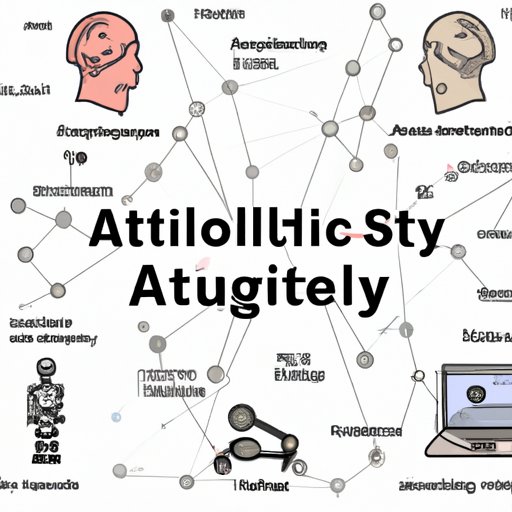
Overview of the Role of Algorithms and AI in Society
Algorithms and AI are increasingly being used in many aspects of our lives, from healthcare to transportation to finance. According to a report by the World Economic Forum, AI and machine learning are transforming the way organizations operate and deliver value to customers, with “the potential to create unprecedented levels of efficiency and productivity”.1 Algorithms and AI are also becoming more prevalent in the media, with many news organizations relying on algorithms to curate content and personalize user experiences.2 Algorithms and AI are also being used to detect fraud, identify suspicious activity, and provide personalized recommendations, among other things.3
Impact of Artificial Intelligence on Human Lives
The use of algorithms and AI has both positive and negative impacts on human lives. On the one hand, AI has the potential to greatly improve decision-making processes, reduce costs, and increase efficiency. For example, AI-driven facial recognition software can help law enforcement agencies identify criminals more quickly and accurately.4 AI-powered chatbots can also help businesses provide better customer service and support.5 On the other hand, there are some potential risks associated with using algorithms and AI. For instance, AI-driven decision-making can lead to biased outcomes if the data used to train the algorithms is not diverse enough or contains errors.6 Additionally, AI-based facial recognition technology can be used to invade people’s privacy or target certain groups of people.7
Examples of AI’s Impact on Human Lives
AI is already having a profound impact on many aspects of our lives. For example, AI-driven facial recognition technology is being used by law enforcement agencies around the world to identify suspects, as well as by retailers to track shoppers.8 AI is also being used by medical professionals to diagnose diseases, such as cancer, more quickly and accurately.9 Finally, AI is being used to create more personalized experiences for consumers, from personalized product recommendations to automated customer service.10
Ethical Implications of Using Algorithms and AI
When it comes to the ethical implications of using algorithms and AI, there are a number of considerations to take into account. Different types of algorithms and AI technologies have different levels of complexity and potential risks. For instance, deep learning algorithms, which are capable of recognizing complex patterns and making decisions based on large amounts of data, may be more prone to errors and biases than simpler algorithms.11 Additionally, AI-based facial recognition technology can be used to invade people’s privacy or target certain groups of people, raising serious ethical concerns.12 Finally, AI-driven decision-making processes can lead to unintended consequences, such as job displacement or unfair outcomes due to bias in the data used to train the algorithms.13
Conclusion
Algorithms and AI are becoming increasingly prevalent in our lives, from decision-making processes to personalized experiences. While these technologies have the potential to improve efficiency and accuracy, they also come with potential risks and ethical implications. It is important to consider these implications when developing and deploying algorithms and AI technologies, as they can have far-reaching consequences on our lives. Ultimately, it is up to us to ensure that these technologies are used responsibly and ethically.
(Note: Is this article not meeting your expectations? Do you have knowledge or insights to share? Unlock new opportunities and expand your reach by joining our authors team. Click Registration to join us and share your expertise with our readers.)