
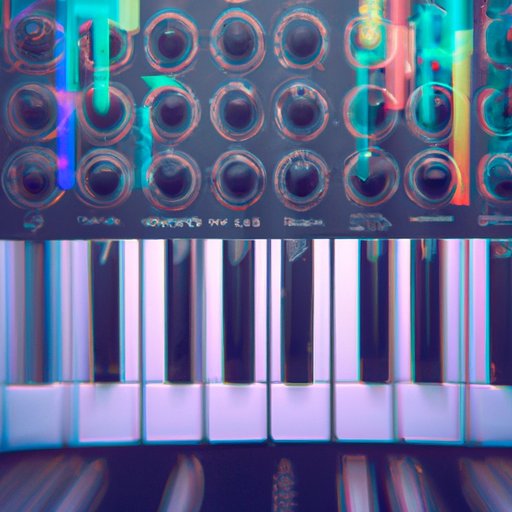
Exploring the Basics of Synthesizers
A synthesizer is a musical instrument that produces sound by combining electrical signals. It can be used to create a wide range of sounds, from simple melodies to complex soundscapes. Understanding how synthesizers work and how to use them is essential for anyone interested in creating electronic music.
What is a Synthesizer?
A synthesizer is an electronic device that produces sound by combining electrical signals. It is composed of several components, including oscillators, filters, and modulators. The signals generated by these components are then mixed together to create the sound.
Different Components of a Synthesizer
The components of a synthesizer can vary depending on the type of synthesizer. Generally, though, a synthesizer consists of the following components:
- Oscillators – which generate basic waveforms such as sine waves, square waves, or sawtooth waves
- Filters – which modify the sound by removing certain frequencies
- Modulators – which apply effects such as vibrato or tremolo
- Effects – such as reverb or delay

Understanding the Sound Synthesis Process
Sound synthesis is the process of combining multiple signals to create a new sound. A synthesizer uses its components to generate electrical signals, which are then combined to create the desired sound. The signals can be manipulated to produce different timbres and effects. For example, a low-pass filter can be used to remove high-frequency components from the signal, resulting in a softer, mellower sound.

How Synthesizers Create Unique Sounds
Synthesizers are capable of producing a wide range of sounds. This is due to the various components and parameters that can be manipulated to shape the sound. Let’s take a look at some of the key elements that contribute to the unique sound of a synthesizer.
Analog vs. Digital Synthesis
Synthesizers can be either analog or digital. Analog synthesizers use circuitry to generate sound, while digital synthesizers use computer algorithms. Each type of synthesizer has its own distinct sound.
Oscillators and Waveforms
Oscillators are the building blocks of a synthesizer. They generate basic waveforms such as sine waves, square waves, or sawtooth waves. These waveforms can then be manipulated to create more complex sounds.
Filters and Modulators
Filters and modulators are used to modify the sound. Filters allow you to remove certain frequencies, while modulators can add effects such as vibrato or tremolo. Together, these components can be used to create unique sounds.
Effects and Other Parameters
Effects such as reverb and delay can also be used to further shape the sound. In addition, other parameters such as envelope, portamento, and glide can be adjusted to create even more interesting sounds.
Different Types of Synthesizers
There are many different types of synthesizers, each with its own set of features and capabilities. Here are some of the most common types of synthesizers.
Subtractive Synths
Subtractive synths are the most common type of synthesizer. They use filters and other components to subtract frequencies from the sound, allowing you to create a wide range of tones.
FM Synths
Frequency modulation (FM) synths use oscillators to modulate the frequency of other oscillators. This allows for the creation of complex sounds that cannot be produced with traditional subtractive synthesis.
Sample-Based Synths
Sample-based synths use recordings of real instruments to generate sound. They are often used to recreate the sound of acoustic instruments, but can also be used to create unique sounds.
Hybrid Synths
Hybrid synths combine the features of both analog and digital synthesizers. This allows for a greater degree of flexibility and creativity when creating sounds.
The History of Synthesizers
Synthesizers have been around since the early 1900s. Early instruments such as the Theremin and the Ondes Martenot were some of the first electronic instruments used in popular music. Over time, these early instruments evolved into the modern synthesizer.
Development of the Modern Synthesizer
The modern synthesizer was developed in the 1960s by Robert Moog and others. It featured several components, such as oscillators, filters, and envelopes, which allowed for a wide range of sounds. Since then, synthesizers have become increasingly sophisticated, with more powerful components and capabilities.
Synthesizers in the Contemporary Music Scene
Today, synthesizers are ubiquitous in popular music. They are used in genres ranging from pop and rock to EDM and hip hop. Synthesizers are also used in film and television scores, video game soundtracks, and other types of media.
Synthesizers in Popular Music
Synthesizers have had a major influence on popular music over the years. Let’s take a look at some examples of how they’ve been used in different genres.
Examples of Synthesizers in Pop/Rock Music
Synthesizers have been used in pop and rock music since the 1970s. For example, the song “Walking on the Moon” by The Police features a memorable synthesizer solo. Another example is the classic “Jump” by Van Halen, which features a distinctive synthesizer riff.
Examples of Synthesizers in Electronic Music
Electronic music has long relied on synthesizers to create its signature sound. Artists such as Kraftwerk and Daft Punk have used synthesizers to create iconic songs such as “Trans-Europe Express” and “Around the World.” Synthesizers are also used extensively in EDM, house, and other electronic genres.
Examples of Synthesizers in Other Genres
Synthesizers have been used in many other genres as well. For example, hip hop producers frequently use synthesizers to create bass lines and other elements of the track. In jazz, synthesizers are often used to create atmospheric textures and other sonic effects.

Creating Your Own Synthesizer Beats
Now that you understand the basics of synthesizers, let’s look at how you can use them to create your own beats. Here are some tips to get you started.
Choosing the Right Synth
The first step is to choose the right synthesizer for your needs. Consider what type of sound you want to create and the features you need. Some synthesizers are better suited for certain styles of music than others, so do your research before making a purchase.
Programming the Beat
Once you have the right synth, it’s time to start programming your beat. Start by experimenting with the oscillators, filters, and modulators to get the basic sound you’re looking for. Then, use effects and other parameters to refine the sound and make it your own.
Recording and Mixing Tips
When recording your synth beat, make sure to use good microphone technique and proper levels. Also, be sure to record multiple takes so you have something to work with in the mix. When mixing, focus on creating a balanced sound and using subtle effects to enhance the track.
Finishing Touches
Finally, don’t forget the small details. Try adding a few automation moves to give the track more life, or experiment with EQ to bring out certain elements of the sound. With a bit of practice, you’ll be able to create professional-sounding synth beats in no time.
Conclusion
Synthesizers are versatile instruments that can be used to create a wide range of sounds. Understanding the basics of synthesizers and how to use them is essential for anyone interested in creating electronic music. From understanding the components of a synthesizer to exploring different types of synths and their history in popular music, this article has provided an overview of everything you need to know about synthesizers.
(Note: Is this article not meeting your expectations? Do you have knowledge or insights to share? Unlock new opportunities and expand your reach by joining our authors team. Click Registration to join us and share your expertise with our readers.)