
Introduction
Mozzarella cheese is one of the most popular types of cheese in the world. It’s widely used in Italian dishes like pizza and lasagna, as well as in salads, sandwiches and more. But what about its nutritional benefits? Is mozzarella cheese actually healthy? This article will explore the nutritional benefits of mozzarella cheese, as well as its pros and cons, so you can decide if it’s right for your diet.
What is Mozzarella Cheese?
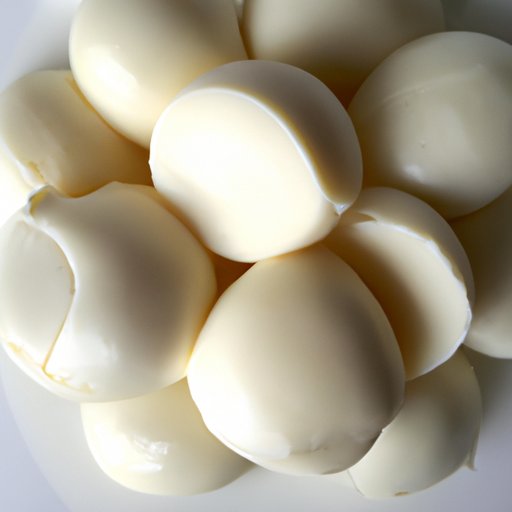
Mozzarella cheese is a type of cheese that is made from cow’s milk. It has a soft, milky flavor and a stretchy texture when melted. Mozzarella cheese is often used on pizzas and in Italian dishes, but it can also be eaten alone or added to other dishes. It’s available in different forms, including fresh, shredded and pre-sliced.
Overview of the Nutritional Benefits of Mozzarella Cheese
Mozzarella cheese is an excellent source of several important vitamins and minerals. It is high in calcium, protein, phosphorus, and vitamins A and B12. It also contains probiotic bacteria that can help promote gut health. Additionally, mozzarella cheese is low in fat and calories, making it a great option for those looking to lose weight.

Exploring the Nutritional Benefits of Mozzarella Cheese
Vitamins and Minerals
Mozzarella cheese is an excellent source of several important vitamins and minerals. It is a good source of vitamin A, which is essential for eye health and vision. It is also a good source of vitamin B12, which helps keep the nervous system functioning properly. Additionally, mozzarella cheese is a good source of phosphorus, which helps build strong bones and teeth, and magnesium, which helps regulate blood sugar levels.
Protein Content
Mozzarella cheese is a good source of protein. Protein is essential for building and repairing muscle, as well as maintaining a healthy immune system. One ounce of mozzarella cheese contains 7 grams of protein, which is about 14% of the recommended daily intake for adults.
Fat Content
Mozzarella cheese is relatively low in fat. One ounce of mozzarella cheese contains 5 grams of fat, which is about 8% of the recommended daily intake for adults. Most of this fat is saturated fat, which has been linked to an increased risk of heart disease. However, research suggests that when consumed in moderation, saturated fat may not be as bad for your health as previously thought.
Calcium Content
Mozzarella cheese is a good source of calcium. Calcium is essential for strong bones and teeth, as well as maintaining healthy blood pressure. One ounce of mozzarella cheese contains 20% of the recommended daily intake of calcium for adults.
Probiotic Benefits
Mozzarella cheese also contains probiotic bacteria, which are beneficial bacteria that help promote gut health. Probiotic bacteria help maintain the balance of good and bad bacteria in the gut, which can help improve digestion and reduce the risk of certain illnesses.
What is the Healthiest Type of Mozzarella Cheese?
Part-Skim vs. Full-Fat Mozzarella Cheese
When choosing mozzarella cheese, it’s important to consider the fat content. Part-skim mozzarella cheese is lower in fat than full-fat mozzarella cheese. One ounce of part-skim mozzarella cheese contains 4 grams of fat, while one ounce of full-fat mozzarella cheese contains 6 grams of fat. For those looking to reduce their fat intake, part-skim mozzarella cheese is the better option.
Organic Mozzarella Cheese
Organic mozzarella cheese is another option for those looking to make a healthier choice. Organic mozzarella cheese is made with organic milk, which means that it is free from hormones, pesticides, and antibiotics. It also has a higher nutrient content than non-organic mozzarella cheese.

How to Incorporate Mozzarella Cheese into a Healthy Diet
Adding Mozzarella Cheese to Salads
One of the easiest ways to incorporate mozzarella cheese into your diet is by adding it to salads. Mozzarella cheese adds a creamy texture and a rich flavor to salads. Try adding it to your favorite salad recipes, or try pairing it with tomatoes, cucumbers, and basil for a classic Caprese salad.
Making Mozzarella Cheese Pizzas
Another way to enjoy mozzarella cheese is by making your own mozzarella cheese pizza. To make a healthier version, opt for whole wheat dough and top it with vegetables like mushrooms, onions, bell peppers, and olives. The combination of vegetables and mozzarella cheese will provide you with plenty of nutrients.
Creating an Antipasto Platter
For a delicious snack or appetizer, try creating an antipasto platter. Antipasto platters usually include cured meats, olives, roasted peppers, and cheese. Mozzarella cheese is a great addition to an antipasto platter because it pairs nicely with the other ingredients. Plus, it provides a good source of protein, vitamins, and minerals.
The Pros and Cons of Eating Mozzarella Cheese
Pros
There are many benefits to eating mozzarella cheese. As mentioned above, it’s a good source of several important vitamins and minerals, including calcium, protein, phosphorus, and vitamins A and B12. It’s also low in fat and calories, making it a great option for those looking to lose weight. Plus, it contains probiotic bacteria that can help promote gut health.
Cons
Despite its many benefits, there are some drawbacks to eating mozzarella cheese. One downside is that it is high in saturated fat, which has been linked to an increased risk of heart disease. Additionally, mozzarella cheese is high in sodium, which can increase blood pressure. Finally, it is not suitable for those who are lactose intolerant.
Is Mozzarella Cheese an Appropriate Option for Lactose Intolerant Individuals?
Lactose Free Mozzarella Cheese
For those who are lactose intolerant, there is the option of lactose-free mozzarella cheese. Lactose-free mozzarella cheese is made using a special process that breaks down the lactose, making it easier to digest. It is available in both part-skim and full-fat varieties.
Lactase Enzyme Supplements
For those who don’t want to give up dairy products altogether, there is the option of taking lactase enzyme supplements. These supplements contain enzymes that help break down the lactose in dairy products, making them easier to digest.

Comparing the Calorie Counts of Different Types of Mozzarella Cheese
Part Skim Mozzarella Cheese
One ounce of part-skim mozzarella cheese contains 70 calories, 4 grams of fat, and 7 grams of protein.
Full-Fat Mozzarella Cheese
One ounce of full-fat mozzarella cheese contains 80 calories, 6 grams of fat, and 7 grams of protein.
Conclusion
Mozzarella cheese is an excellent source of vitamins and minerals, as well as protein and probiotic bacteria. It’s low in fat and calories, making it a great option for those looking to lose weight. However, it is high in saturated fat and sodium, so it should be consumed in moderation. For those who are lactose intolerant, there are options such as lactose-free mozzarella cheese and lactase enzyme supplements. All in all, mozzarella cheese can be a healthy addition to your diet when consumed in moderation.
(Note: Is this article not meeting your expectations? Do you have knowledge or insights to share? Unlock new opportunities and expand your reach by joining our authors team. Click Registration to join us and share your expertise with our readers.)