
Introduction
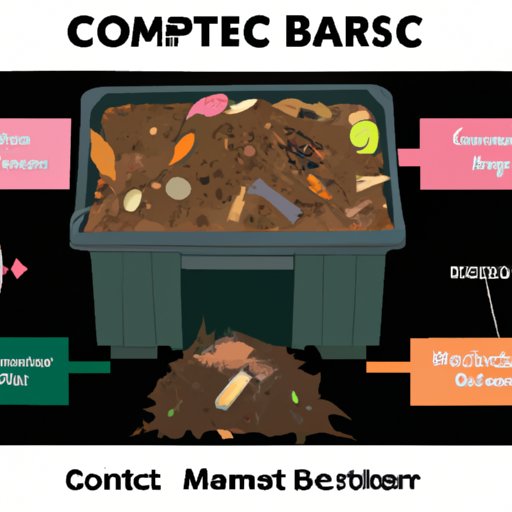
Composting is the natural process of breaking down organic matter into a nutrient-rich soil amendment, known as compost. It’s a great way to reduce waste while providing valuable nutrients to the soil. This article will provide an overview of composting and step-by-step instructions on how to start composting.
Research Composting Basics
Before getting started, it’s important to understand the different types of compost and their requirements. There are three main types of compost – cold compost, hot compost, and vermicompost. Cold compost is the simplest type of compost and requires minimal effort. It involves mixing organic materials in a pile or bin, but no additional aeration or turning is needed. Hot compost requires more work, as it needs to be turned regularly and requires temperatures between 120-160°F. Vermicompost uses worms to break down organic materials and can be done indoors or outdoors.
Gather Supplies
Once you’ve chosen the type of compost you want to create, you’ll need to gather the necessary ingredients and equipment for composting. The most important ingredient is organic material, such as vegetable and fruit scraps, coffee grounds, eggshells, grass clippings, leaves, and newspaper. You’ll also need a compost bin or pile, which should be located in a dry, shady area. Other supplies include a pitchfork or shovel for turning the compost, a thermometer to monitor temperature, and a moisture meter to measure moisture levels.
Prepare Your Compost Bin or Pile
The size of your compost bin or pile should depend on the amount of organic material you plan to add. For example, a 4x4x4 foot bin can hold up to 30 gallons of organic material. If you’re making a pile, it should be at least 3x3x3 feet. Once you’ve determined the size, line the bottom of the bin or pile with twigs, straw, or hay to allow air to flow through the compost. Then, add layers of green and brown materials alternately. Green materials are high in nitrogen, while brown materials are high in carbon. Examples of green materials include food scraps, grass clippings, and manure. Examples of brown materials include leaves, twigs, and sawdust.
Add Organic Materials
As you add layers of green and brown materials, sprinkle them with water to keep the compost moist. The compost should be damp, not wet. Adding too much water can cause the compost to become anaerobic, which can lead to bad smells and slow down the composting process. Once all the organic material is added, cover the top of the pile or bin with a tarp to protect it from rain and direct sunlight.
Maintain Temperature and Moisture
In order for the compost to decompose properly, it’s important to maintain the right temperature and moisture levels. The ideal temperature range for compost is between 130-150°F. To check the temperature, use a thermometer to take readings from different areas of the compost. If the temperature is too low, add more green materials to raise it. If it’s too high, add more brown materials to lower it. The moisture level should be about 50%, so use a moisture meter to check it periodically.
Turn and Aerate
Regularly turning and aerating the compost helps to promote decomposition. Use a pitchfork or shovel to turn the compost every few weeks. This will mix the materials and introduce oxygen into the pile. After turning the compost, check the temperature and moisture levels again, and adjust them as necessary.
Conclusion
Composting is a great way to reduce waste, provide valuable nutrients to the soil, and improve soil structure. By following these steps, you can successfully start composting and reap the benefits of composting. Research composting basics, gather supplies, prepare a compost bin or pile, add organic materials, maintain temperature and moisture, and turn and aerate your compost for successful decomposition.
(Note: Is this article not meeting your expectations? Do you have knowledge or insights to share? Unlock new opportunities and expand your reach by joining our authors team. Click Registration to join us and share your expertise with our readers.)