
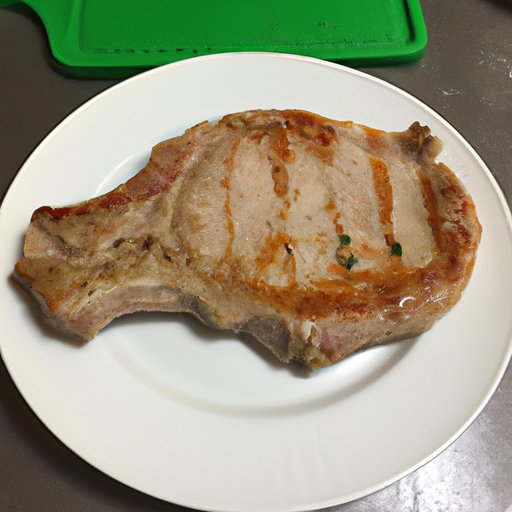
Introduction
A pork chop is a cut of meat taken from the shoulder, back or loin of a pig. They are usually about 1/2 inch thick and can be grilled, fried, braised, baked or roasted. Pork chops are a popular source of protein, but there is some debate about their healthiness. This article will explore the nutritional benefits, health risks and safe cooking tips for pork chops.

Exploring the Nutritional Benefits of Pork Chops
Pork chops are a good source of several essential nutrients, including protein, vitamins and minerals. One 3-ounce (85 gram) serving of cooked pork chop contains approximately 16 grams of protein, 10% of the daily value (DV) of iron, 5% of the DV of zinc and 4% of the DV of vitamin B12. These nutrients are important for maintaining healthy bones, muscles and organs.
Pork chops also contain several other beneficial nutrients. For example, they are a good source of thiamine, niacin, phosphorus, selenium and riboflavin. Thiamine helps convert carbohydrates into energy, while niacin helps break down fats and proteins. Phosphorus plays a role in bone health, selenium acts as an antioxidant, and riboflavin helps the body use other vitamins more efficiently.
Examining the Health Risks of Eating Pork Chops
While pork chops offer several nutritional benefits, there are some potential health risks associated with eating them. For instance, pork chops are high in saturated fat, which can raise levels of bad cholesterol and increase the risk of heart disease. According to the American Heart Association, people should limit their intake of saturated fat to no more than 7% of their total daily calorie intake.
In addition, pork chops may be contaminated with bacteria or parasites, such as trichinosis. To reduce the risk of foodborne illness, it’s important to cook pork chops thoroughly, to an internal temperature of at least 145°F (63°C). It’s also important to store and handle pork properly to avoid cross-contamination.

Comparing Pork Chops to Other Protein Sources
When deciding whether or not to include pork chops in your diet, it’s important to compare them to other protein sources. Like other animal proteins, pork chops are a good source of complete proteins, which means they contain all nine essential amino acids. They are also an excellent source of zinc, selenium, iron and vitamin B12, which are often lacking in vegetarian diets.
However, some plant-based proteins, such as beans, nuts and seeds, are higher in fiber than pork chops. Fiber is important for digestive health and has been linked to a reduced risk of heart disease and diabetes. Plant-based proteins are also generally lower in calories and saturated fat than animal proteins, making them a better choice for those trying to lose weight or manage their cholesterol levels.
Creating Healthy Pork Chop Recipes
If you decide to include pork chops in your diet, it’s important to make sure you’re preparing them in a healthy way. When creating pork chop recipes, try to focus on lean cuts of pork, such as loin or tenderloin. Trim away any visible fat before cooking, and opt for healthier cooking methods such as baking, grilling or roasting, instead of frying.
To add flavor without adding too many calories, try marinating pork chops in herbs and spices, such as garlic, rosemary, thyme and cumin. You can also top pork chops with flavorful ingredients like salsa, pesto or a light sauce made with olive oil, lemon juice and fresh herbs. Here are some examples of healthy pork chop recipes:
- Cilantro-Lime Pork Chops
- Garlic-Herb Pork Chops with Sauteed Vegetables
- Pesto-Crusted Pork Chops with Roasted Potatoes
- Baked Apple-Glazed Pork Chops with Spinach Salad

Tips for Cooking Pork Chops Safely
Cooking pork chops safely is essential to reduce the risk of foodborne illness. Before cooking, make sure to rinse the pork chops under cold running water and pat them dry with a paper towel. It’s also important to use a food thermometer to ensure that the pork chops reach an internal temperature of at least 145°F (63°C).
Avoid cross-contamination by using separate cutting boards, plates and utensils for raw pork and other foods. And remember to clean all surfaces and utensils after handling raw pork. Finally, always refrigerate leftovers within two hours of cooking, and discard any pork that has been left out at room temperature for more than two hours.
Conclusion
Pork chops can be a nutritious part of your diet if prepared and cooked properly. They are a good source of complete protein, vitamins and minerals, and can provide several health benefits. However, they are also high in saturated fat and may be contaminated with bacteria or parasites, so it’s important to take certain precautions when cooking pork chops. Ultimately, the decision to include pork chops in your diet should be based on your individual needs and preferences.
By understanding the nutritional benefits and health risks associated with pork chops, you can make an informed decision about whether or not to include them in your diet. And by following these tips for creating healthy pork chop recipes and cooking pork chops safely, you can enjoy the delicious taste of pork chops without compromising your health.
(Note: Is this article not meeting your expectations? Do you have knowledge or insights to share? Unlock new opportunities and expand your reach by joining our authors team. Click Registration to join us and share your expertise with our readers.)