
Introduction
A cultural group is a collection of people who share similar values, beliefs, customs, language, and traditions that are passed down from generation to generation. Understanding the characteristics of a cultural group, how they develop and change over time, and their role in society can help us better appreciate the diversity of cultures around the world. In this article, we will explore the definition of a cultural group, the characteristics of a cultural group, how they develop and change over time, and the benefits and challenges of cultural groups.

Exploring the Definition of a Cultural Group
Cultural groups are often defined by their shared values, beliefs, customs, language, and traditions. According to anthropologist Margarita Díaz-Andreu, “culture is the totality of the ways of living built up by a group of human beings and transmitted from one generation to another.” This includes the way people dress, the type of food they eat, the music they listen to, the language they speak, and the stories they tell.

Examining the Characteristics of a Cultural Group
The characteristics of a cultural group vary depending on the culture itself. Some common characteristics include shared values and beliefs, a common language, shared customs and traditions, and a sense of identity. A cultural group may also have its own set of symbols and rituals, such as religious ceremonies or festivals.
For example, the Maori of New Zealand have a strong sense of identity and connection to their land, which is reflected in their traditional language, art, songs, and dances. The Hmong people of Laos have their own language and unique customs, such as elaborate funeral ceremonies and a tradition of story telling. And the Lakota Sioux of North America have an oral history and a deeply spiritual connection to the land, which is reflected in their ceremonies and rituals.
It is important to note that there are also differences among cultural groups. Each culture has its own unique set of values, beliefs, customs, and traditions, and these can vary greatly from one culture to the next.
Investigating How Cultural Groups Develop and Change Over Time
Cultural groups develop and change over time due to a variety of factors, including migration, contact with other cultures, technological advances, and environmental changes. For example, the Hmong people of Laos were forced to migrate to different parts of the world after the Vietnam War, which led to the spread of their culture and customs to different countries. Similarly, the Lakota Sioux developed new technologies and practices over time, such as horsemanship and buffalo hunting, which allowed them to adapt to their changing environment.
In addition, globalization has had a significant impact on many cultural groups. As communication and transportation technologies have become more advanced, cultures around the world have been increasingly exposed to each other, leading to a greater understanding and appreciation for cultural diversity. According to a study by the United Nations Educational, Scientific and Cultural Organization (UNESCO), “globalization has both enabled and accelerated the exchange of ideas, goods, services and people across borders, leading to increased cultural interaction and mutual understanding.”
Understanding the Role of Cultural Groups in Society
Cultural groups have played an important role in societies throughout history. They have provided a sense of identity and belonging, as well as a source of strength and unity. In addition, cultural groups have helped to shape the development of nations and societies, providing a distinct set of values, beliefs, customs, and traditions.
Cultural groups have also faced many challenges in contemporary times. These include racism, discrimination, and marginalization, as well as the threat of assimilation into dominant cultures. Despite these challenges, many cultural groups have managed to preserve their traditions and maintain their distinct identities.
Examining the Impact of Cultural Groups on Global Communities
Cultural groups play an important role in global communities by promoting cultural diversity and understanding. By exposing people to different cultures, they can gain a better understanding of the world and learn to appreciate the unique qualities of each culture. This can lead to greater tolerance and respect for cultural differences.
At the same time, cultural interaction can also lead to conflicts and misunderstandings. Cultural groups may clash over different values, beliefs, and customs, leading to tension and even violence. To prevent this, it is important to promote understanding, acceptance, and dialogue between different cultural groups.
Investigating the Benefits of Celebrating Cultural Groups
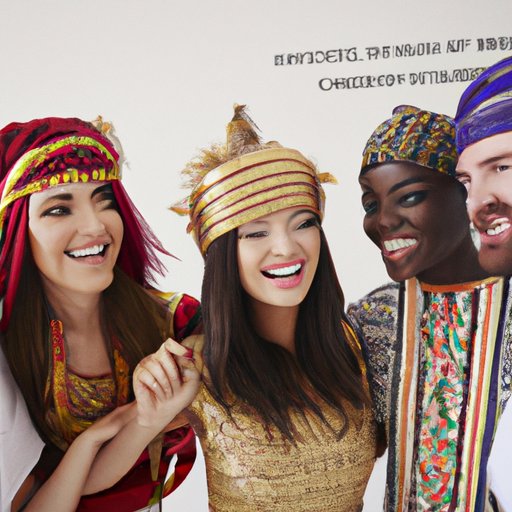
Celebrating cultural groups can have a positive effect on society by increasing awareness and appreciation for cultural diversity. It can also bring people together and foster a sense of community and unity. Furthermore, celebrating cultural groups can help to preserve traditions and pass them down to future generations.
There are many practical ways to celebrate cultural groups. These include hosting cultural festivals, organizing cultural exchanges, and teaching traditional arts and crafts. It is also important to recognize and celebrate the achievements of cultural groups, such as their contributions to science, art, literature, and other fields.
Conclusion
Cultural groups are an important part of our world, and understanding their characteristics, how they develop and change over time, and their role in society can help us appreciate the diversity of cultures around us. Celebrating cultural groups can also have a positive impact on society by fostering a sense of community and unity, as well as preserving traditions and passing them down to future generations.
(Note: Is this article not meeting your expectations? Do you have knowledge or insights to share? Unlock new opportunities and expand your reach by joining our authors team. Click Registration to join us and share your expertise with our readers.)