
Introduction
Tire rotation is a crucial part of regular car maintenance. It involves changing the position of the tires on your vehicle in order to balance out wear and tear and extend the life of your tires. But how often do tires need to be rotated? In this article, we’ll explore the various factors that can affect your tire rotation schedule, as well as the benefits of sticking to a tire rotation routine.
Comparing Different Tire Rotation Schedules and What They Mean for Tire Life
When deciding how often to rotate your tires, there are a few different schedules to consider. Most Original Equipment Manufacturer (OEM) recommendations are based on mileage, while other tire rotation schedules are based on time intervals. Here’s a closer look at each option:
OEM Recommendations
Most OEMs recommend rotating your tires every 5,000 to 7,500 miles. According to a study conducted by Consumer Reports, “This schedule is designed to accommodate the average amount of wear and tear on a typical set of tires, which is usually more pronounced on the front tires due to their greater contact with the road.”
Mileage-Based Rotations
Mileage-based rotations involve rotating your tires every certain number of miles, such as 5,000 or 7,500. This schedule is typically recommended for those who drive their vehicle on a regular basis and tend to rack up the miles quickly. It’s also a good choice for those who have an all-wheel drive vehicle, since the added power of the engine puts more strain on the tires.
Time-Based Rotations
Time-based rotations involve rotating your tires every certain number of months, such as every six months or once a year. This schedule is best for those who don’t drive their vehicle very often, since the tires won’t wear down as quickly. However, it’s important to note that even if you don’t drive your vehicle very often, you should still check your tires regularly for signs of wear and tear.
Exploring Tire Rotations: When is the Right Time to Rotate Your Tires?
Rotating your tires at the right time is essential for maintaining optimal tire performance and safety. Here are some signs that indicate you may need a tire rotation:
Signs That Indicate You Need a Tire Rotation
- Uneven tread wear
- Visible cupping or scalloping on the tires
- Excessive vibration when driving
- Poor handling or steering response
When to Rotate All-Wheel Drive Tires
If you have an all-wheel drive vehicle, it’s important to pay special attention to your tires. All-wheel drive vehicles put more strain on the tires, so they require more frequent tire rotations. It’s best to rotate the tires every 3,000 to 5,000 miles, or every six months. It’s also a good idea to have your tires balanced every time you rotate them.
Common Mistakes to Avoid When Rotating Tires
- Not having your tires balanced at the same time as rotating them.
- Using the wrong rotation pattern for your vehicle.
- Failing to inspect the tires for signs of wear and tear before rotating them.
- Not checking the tire pressure after rotating the tires.
How Often Should You Rotate Your Tires? A Guide to Tire Maintenance
It’s important to stick to a regular tire rotation schedule in order to maintain optimal tire performance and safety. Here are some factors that can affect tire wear and the recommended tire rotation intervals:
Factors That Affect Tire Wear
- Vehicle type
- Driving habits
- Road conditions
- Weather conditions
- Tire type
Recommended Tire Rotation Intervals
- Passenger vehicles: every 5,000 to 7,500 miles
- Light trucks: every 6,000 to 8,000 miles
- All-wheel drive vehicles: every 3,000 to 5,000 miles
Tire Rotation Tips
- Check your owner’s manual for specific instructions on how to rotate your tires.
- Make sure to use the correct rotation pattern for your vehicle.
- Have your tires balanced every time you rotate them.
- Check the tire pressure after rotating the tires.
- Inspect the tires for signs of wear and tear before rotating them.
The Benefits of Regular Tire Rotations: Why It’s Important to Stick to a Schedule
Regularly rotating your tires can have a number of benefits, including prolonging tire life, improving performance and handling, and increasing safety. Here’s a closer look at why it’s important to stick to a tire rotation schedule:
Prolonging Tire Life
By regularly rotating your tires, you can help to reduce uneven tire wear and extend the life of your tires. As noted by tire expert and author, Bob Rogers, “Regular tire rotation helps to ensure that all four of your tires wear evenly, which can help to extend the life of your tires and save you money in the long run.”
Improving Performance and Handling
Regularly rotating your tires can also help to improve your vehicle’s performance and handling. Uneven tire wear can cause your vehicle to pull to one side and lead to poor handling and braking. By rotating your tires, you can help to reduce these issues and ensure that your vehicle performs optimally.
Increasing Safety
Last but not least, regularly rotating your tires can help to increase your safety on the road. Worn tires can lead to poor braking and handling, making it difficult to control your vehicle in emergency situations. By rotating your tires regularly, you can help to reduce the risk of accidents and keep yourself and other drivers safe.
Understanding Tire Wear Patterns: How to Know When to Rotate Your Tires
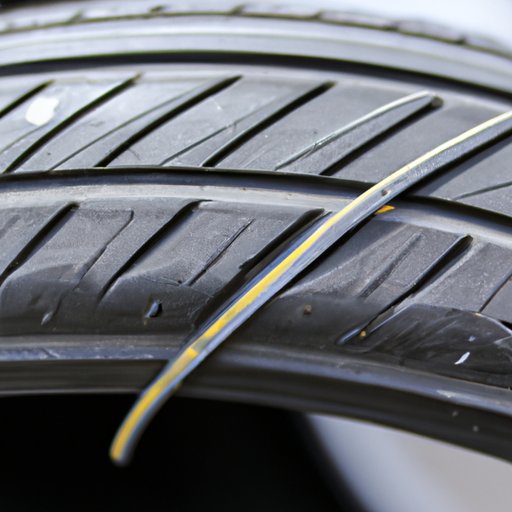
In order to know when to rotate your tires, it’s important to understand the different types of tire wear patterns and what they mean for your vehicle. Here’s a closer look:
Types of Tire Wear Patterns
- Cupping: Cupping is an uneven wear pattern that looks like small dips or scallops on the tire surface.
- Feathering: Feathering is an uneven wear pattern that looks like small ridges on the tire surface.
- Scrubbing: Scrubbing is an uneven wear pattern that looks like streaks across the tire surface.
Diagnosing Tire Wear Problems
In order to diagnose tire wear problems, it’s important to inspect your tires regularly and look for any signs of wear and tear. If you notice any of the above tire wear patterns, it’s a sign that it’s time to rotate your tires. It’s also a good idea to have your tires checked by a professional to make sure that they are in good condition.
How Tire Wear Affects Performance
Uneven tire wear can lead to poor vehicle performance, including decreased fuel efficiency, increased braking distance, and reduced handling. It’s important to rotate your tires regularly in order to avoid these issues and ensure optimal performance.
Conclusion
In conclusion, tire rotation is an important part of regular car maintenance. It helps to prolong tire life, improve performance and handling, and increase safety. The recommended tire rotation interval depends on your vehicle type, driving habits, road conditions, weather conditions, and tire type. It’s important to inspect your tires regularly for signs of wear and tear and to rotate your tires according to the manufacturer’s recommendation. Remember, sticking to a regular tire rotation schedule can help to ensure optimal tire performance and safety.
(Note: Is this article not meeting your expectations? Do you have knowledge or insights to share? Unlock new opportunities and expand your reach by joining our authors team. Click Registration to join us and share your expertise with our readers.)