
Introduction
Breakfast is often referred to as the most important meal of the day. Eating a healthy breakfast can provide essential nutrients and energy needed to power through the morning. One popular breakfast food that is often touted as a healthy option is oatmeal. But is oatmeal really a healthy breakfast choice? In this article, we will explore the potential health benefits of eating oatmeal for breakfast, compare it to other popular breakfast options, and determine if oatmeal is a heart-healthy choice.
Exploring the Health Benefits of Eating Oatmeal for Breakfast
Oats are a whole grain that contain a variety of essential vitamins and minerals, as well as dietary fiber. According to the United States Department of Agriculture (USDA), one cup of cooked oats contains 6 grams of protein, 4 grams of dietary fiber, and only 1 gram of fat. Oats also contain high levels of B vitamins, such as thiamine, riboflavin, and niacin, which are important for energy production and metabolism. Additionally, oats are a good source of magnesium, phosphorus, zinc, and iron.
Eating oatmeal for breakfast may have a range of potential benefits. A study published in the journal Nutrition Reviews found that oats are linked to improved cholesterol levels, lower blood pressure, and decreased risk of cardiovascular disease. Oats are also a good source of soluble fiber, which can help reduce hunger and promote feelings of fullness. This can be beneficial for individuals who are trying to lose or maintain their weight.

Comparing the Nutritional Value of Oatmeal to Other Popular Breakfasts
When comparing the nutritional value of oatmeal to other popular breakfast options, it’s important to look at the macronutrient content (protein, fat, and carbohydrates) as well as the vitamins and minerals found in each food. Oatmeal is relatively low in fat and calories, but it is higher in protein and carbohydrates than some other breakfast foods. For example, one cup of cooked oatmeal contains 17 grams of protein and 31 grams of carbohydrates, while one large egg contains 6 grams of protein and 0 grams of carbohydrates. Oatmeal also contains higher amounts of certain vitamins and minerals than other breakfast foods, such as iron and B vitamins.
When looking at other popular breakfast foods, it’s important to consider the pros and cons of each option. For example, while eggs are a good source of protein, they are also high in cholesterol. Similarly, while bacon and sausage offer a good amount of protein, they are also high in sodium and saturated fat. On the other hand, oatmeal is low in fat and cholesterol, and it is a good source of complex carbohydrates and dietary fiber.

Creating Delicious and Healthy Oatmeal Recipes
One of the best things about oatmeal is that it is incredibly versatile. There are endless possibilities when it comes to creating delicious and healthy oatmeal recipes. To make oatmeal more flavorful, try adding mix-ins like nuts, fruits, spices, or nut butter. You can also top your oatmeal with yogurt, granola, or honey for an extra boost of flavor and nutrition.
If you’re looking for some unique oatmeal recipes, there are plenty of options available online. From oatmeal pancakes to oatmeal smoothies, there is something for everyone. You can also make oatmeal quickly and easily in the microwave or on the stovetop. Simply combine rolled oats, milk, and water in a bowl, then heat it until it reaches desired consistency.

Examining the Role of Oatmeal in Weight Loss
If you’re trying to lose weight, oatmeal can be a helpful part of your diet. Oatmeal is low in calories and high in dietary fiber, both of which can help you feel fuller longer and reduce cravings throughout the day. Additionally, oatmeal is a complex carbohydrate, which means it is digested slowly and provides lasting energy. This can help prevent overeating and improve overall weight management.
If you’re looking for low-calorie oatmeal recipes, try adding fresh or frozen fruits, nuts, or seeds to your oatmeal. You can also opt for non-dairy milks, such as almond milk or oat milk, instead of regular cow’s milk. If oatmeal isn’t your thing, there are plenty of other healthy breakfast options that can help you reach your weight loss goals, such as Greek yogurt, overnight oats, or avocado toast.
Determining if Oatmeal is a Heart-Healthy Breakfast Option
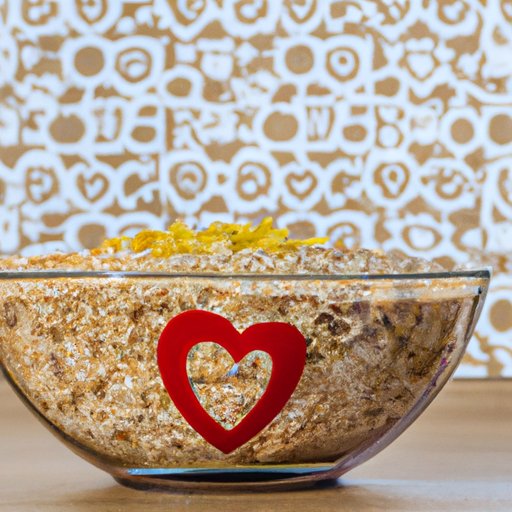
Heart health is an important consideration when choosing a healthy breakfast option. Studies have shown that eating oatmeal can help reduce cholesterol levels, which can benefit heart health. Oats are also a good source of plant-based proteins, which can help reduce inflammation and improve overall cardiovascular health. Additionally, oats contain beta-glucan, a type of soluble fiber that has been shown to reduce cholesterol levels.
If you’re looking for ways to improve your heart health, there are some substitutions you can make to your oatmeal. For example, you can use steel-cut oats instead of rolled oats, as they contain higher amounts of dietary fiber. You can also add heart-healthy ingredients, such as flaxseed, chia seeds, or walnuts, to your oatmeal. Finally, opt for non-dairy milks, such as almond milk or oat milk, instead of regular cow’s milk.
Conclusion
In conclusion, oatmeal is a nutritious and delicious breakfast option that can provide a range of potential health benefits. Oats are packed with essential vitamins and minerals, as well as dietary fiber and protein. Eating oatmeal can help reduce cholesterol levels, improve heart health, and aid in weight loss. Furthermore, oatmeal is incredibly versatile and can be easily customized to suit your tastes. With all of these potential benefits, it’s no wonder why oatmeal is a popular breakfast choice.
(Note: Is this article not meeting your expectations? Do you have knowledge or insights to share? Unlock new opportunities and expand your reach by joining our authors team. Click Registration to join us and share your expertise with our readers.)